


Hair Transplant in Iran
Hair transplantation in Iran combines advanced medical expertise, modern techniques, and exceptional value for international patients. At Ceritamed, every treatment is planned individually to achieve natural-looking, long-lasting results while preserving donor hair for the future.
- High-success hair transplant in Iran with experienced surgeons
- Affordable FUE & DHI hair transplant with natural, permanent results
- Trusted hair restoration in Iran with expert care and Ceritamed support
What Is a Hair Transplant and Who Is a Good Candidate?
A hair transplant is a medical procedure that relocates healthy hair follicles from a donor area to areas affected by hair loss or thinning. Because transplanted follicles usually maintain their genetic resistance to hair loss, the results can be long-lasting when the procedure is properly planned.
The ideal candidate depends on factors such as the cause of hair loss, donor area quality, age, and future hair loss progression. A professional evaluation helps determine whether hair transplantation is the right option.
Why Hair Loss Happens?
What Is a Hair Transplant and Who Is a Good Candidate?
Hair loss can occur due to several factors, including:
- Genetic hair loss (Androgenetic Alopecia): The most common cause of male and female pattern baldness.
- Hormonal changes: A frequent factor affecting hair growth, especially in women.
- Medical conditions or medications: Certain conditions and treatments can contribute to hair thinning.
- Stress and lifestyle factors: Nutrition, stress, and lifestyle changes may affect the hair growth cycle.
In most cases, follicles in the donor area remain resistant to hair loss, making them suitable for transplantation.
Hair Transplant for Men and Women
Hair transplant for men is commonly performed for male pattern baldness, which affects areas such as the frontal hairline, temples, and crown. Treatment focuses on creating a natural hairline while considering possible future hair loss.
Hair transplant for women usually addresses diffuse thinning while preserving the frontal hairline. Female hair loss may be influenced by genetics, hormonal changes, stress, or medical conditions and requires careful evaluation before treatment.
Both men and women can achieve successful results, but the treatment plan must be customized based on hair pattern, density needs, and long-term goals.
Is a Hair Transplant Permanent?
Yes. Transplanted follicles usually maintain their natural resistance to hair loss and provide long-lasting results.
However, a hair transplant does not prevent future thinning of existing, non-transplanted hair. Proper planning is essential to consider your current hair loss pattern, donor supply, age, and future expectations to maintain a natural appearance over time.
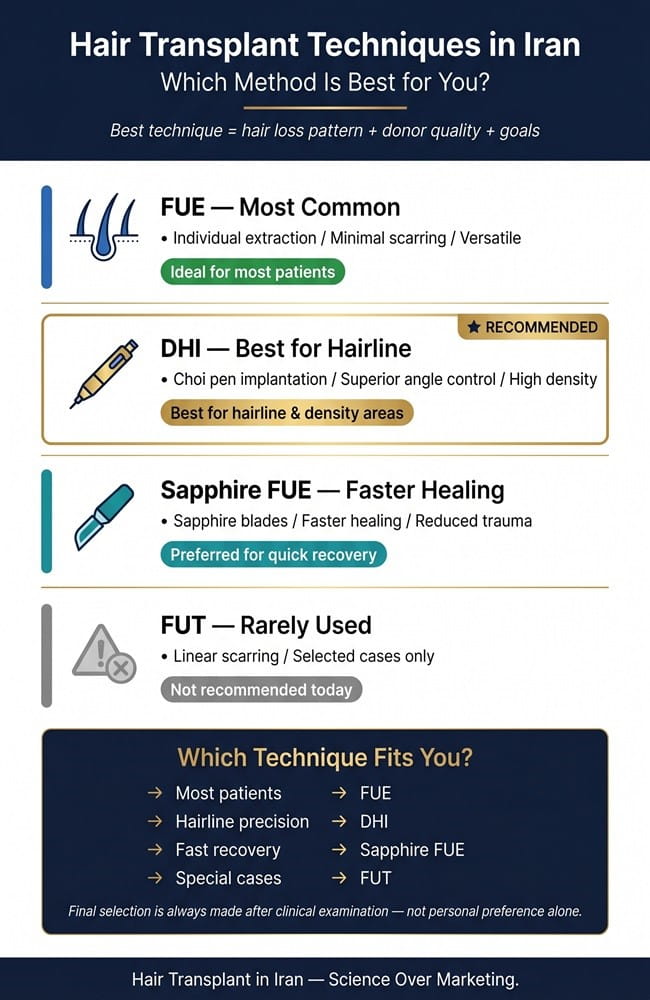
Hair Transplant Techniques in Iran – Which Method Is Best for You?
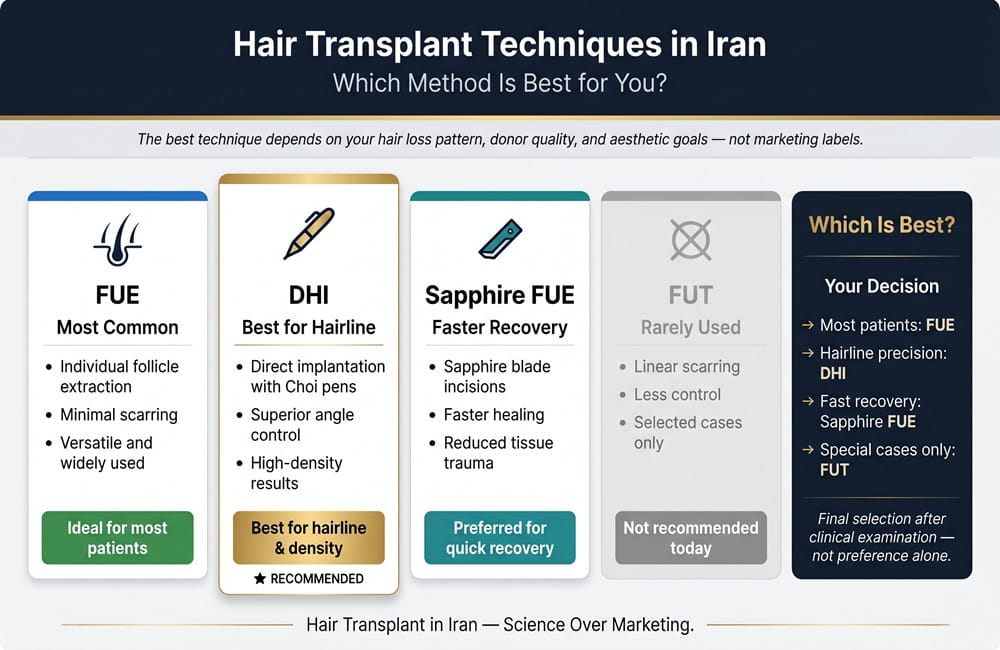
The best hair transplant technique depends on your hair loss pattern, donor area condition, desired density, and long-term goals. There is no single method suitable for every patient. Your surgeon will recommend the most appropriate approach after evaluating your individual condition.
FUE Hair Transplant
FUE (Follicular Unit Extraction) is one of the most widely used hair transplant techniques. Individual follicles are extracted from the donor area and implanted into thinning areas.
Benefits include:
- Minimal scarring
- Faster recovery
- Natural-looking results
- Suitable for most patients
DHI Hair Transplant
DHI (Direct Hair Implantation) uses specialized Choi pens to directly implant extracted follicles into the recipient area.
Advantages include:
- Precise control over hair angle and direction
- Detailed hairline design
- Better density control in selected areas
Sapphire FUE Hair Transplant
Sapphire FUE uses sapphire blades to create smaller recipient channels before implantation.
Potential benefits include:
- Smaller incisions
- Reduced tissue trauma
- Faster healing
- Precise implantation channels
FUT Hair Transplant
FUT (Follicular Unit Transplantation) involves removing a strip of scalp tissue and separating it into individual grafts. Although less commonly used today due to linear scarring, it may still be considered for selected patients requiring a large number of grafts.
Hair Transplant Procedure and Graft Planning
A successful hair transplant procedure requires careful planning before implantation. The surgeon evaluates your hair loss pattern, donor area quality, and facial proportions to design a natural result that matches your appearance and remains suitable over time.
Consultation and Hairline Design
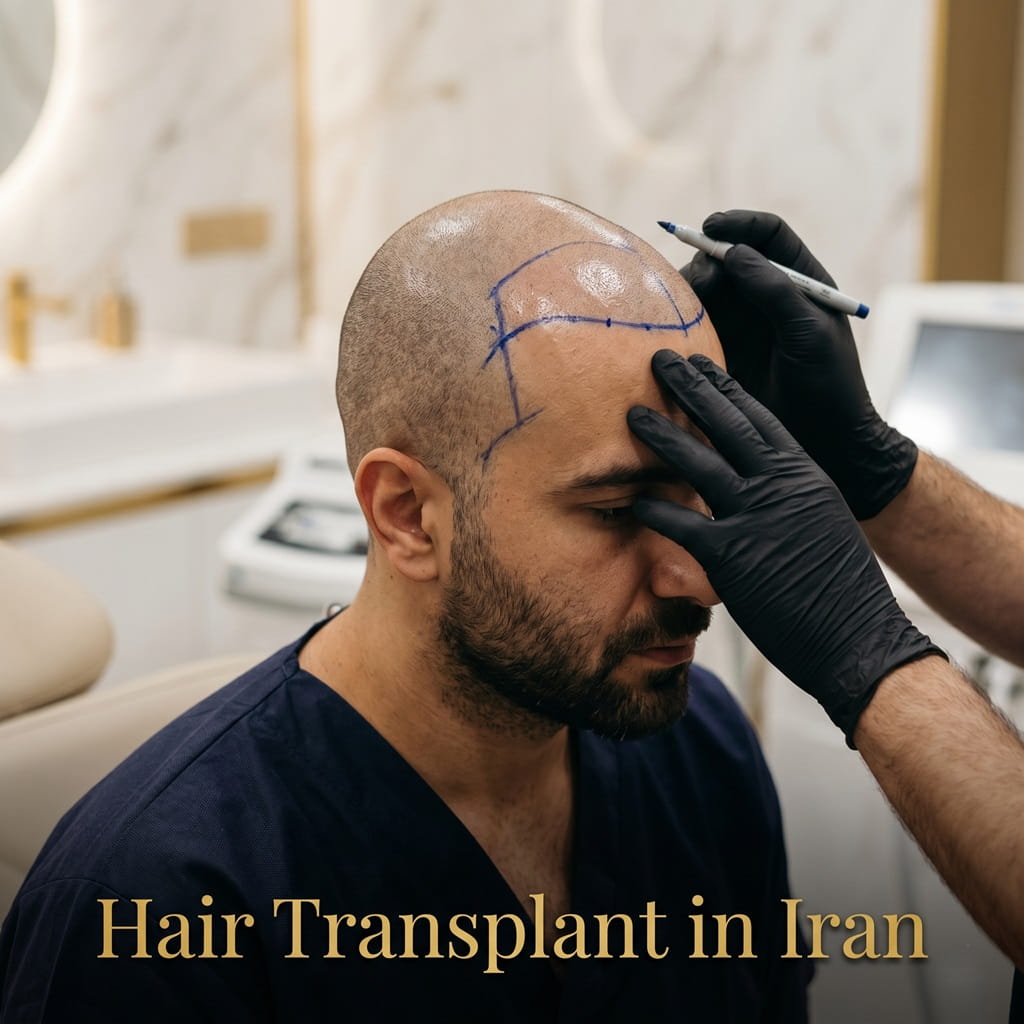
The process begins with a detailed consultation to assess your scalp condition and discuss your goals. Hairline design considers factors such as age, facial structure, existing hair density, and future hair loss progression.
A properly designed hairline is essential for achieving natural-looking hair transplant results and avoiding an artificial appearance.
Donor Area Evaluation and Graft Extraction
The donor area, usually the back and sides of the scalp, is evaluated to determine follicle quality and available graft numbers.
During extraction, healthy follicles are carefully collected while preserving donor density. Proper graft planning helps prevent over-harvesting and maintains a natural appearance after healing.
Implantation and Natural Angle Control
During implantation, extracted follicles are placed into the recipient area according to natural hair growth direction, angle, and density.
The surgeon’s experience plays an important role in creating realistic results, especially in the hairline area where precise placement affects the final appearance.
How Many Hair Transplant Grafts Do You Need?
The required number of hair transplant grafts depends on the degree of hair loss, donor area quality, and desired density. Accurate graft estimation helps achieve natural coverage while preserving donor resources for future needs.
Graft Estimation Guide
- Mild frontal recession: 1,500–2,500 grafts
- Moderate hair loss: 2,500–3,500 grafts
- Advanced baldness: 4,000+ grafts (sometimes in two sessions)
Hair Density Expectations
The goal of hair transplantation is not simply maximum density, but a natural balance between coverage, appearance, and long-term donor preservation.
Placing too many grafts in one session may affect blood supply and graft survival. A professional treatment plan focuses on realistic density and long-lasting results.
Hair Transplant Results, Recovery and Safety
The final outcome of a hair transplant develops gradually. Understanding the recovery process and expected timeline helps patients maintain realistic expectations and achieve better long-term results.
When Do Hair Transplant Results Appear?
Hair growth after transplantation follows a gradual timeline:
- Initial shedding: 2–6 weeks after surgery (normal phase)
- New hair growth: Around 3–4 months
- Visible improvement: After 6 months
- Final results: Approximately 9–12 months
Temporary shedding, known as shock loss, is a normal part of recovery and does not mean the procedure has failed. The transplanted follicles usually remain healthy and continue their growth cycle.
Recovery After Hair Transplant
Recovery after FUE hair transplant, DHI hair transplant, or Sapphire FUE is generally quick.
Most patients experience:
- Return to daily activities: 2–3 days
- Scab healing: 7–10 days
- Gradual reduction of redness and swelling over the following weeks
Following postoperative instructions and attending follow-up appointments help protect graft survival and improve the final outcome.
Hair Transplant Safety and Success Rate
When performed by experienced surgeons using proper medical standards, hair transplantation is considered a safe and predictable procedure.
The hair transplant success rate depends on:
- Surgeon expertise
- Correct technique selection
- Donor follicle quality
- Patient compliance with aftercare
Temporary swelling, redness, or mild discomfort may occur after surgery, while serious complications are uncommon when proper sterilization and medical protocols are followed.
Hair Transplant Cost in Iran
The hair transplant cost in Iran depends on several factors, including the number of grafts required, selected technique, surgeon experience, and included services.
At Ceritamed, hair transplant packages start from approximately $600. The final cost is determined after evaluating your hair loss pattern, donor area, and treatment goals.
What Affects Hair Transplant Cost?
The price may vary based on:
- Number of grafts needed
- FUE, DHI, or Sapphire FUE technique
- Surgeon involvement
- Medical follow-up
- International patient services
Country | Average Cost |
USA / Canada | $12,000–$20,000+ |
UK / Europe | $8,000–$15,000 |
Turkey | $2,500–$4,500 |
India | $1,500–$3,000 |
Iran (Ceritamed) | $600–$1,200 |
Why Choose Ceritamed for Hair Transplant in Iran?
Choosing the right medical team is essential for achieving natural and long-lasting hair transplant results. Ceritamed provides international patients with experienced specialists, advanced techniques, and complete treatment coordination.
Experienced Hair Transplant Surgeons
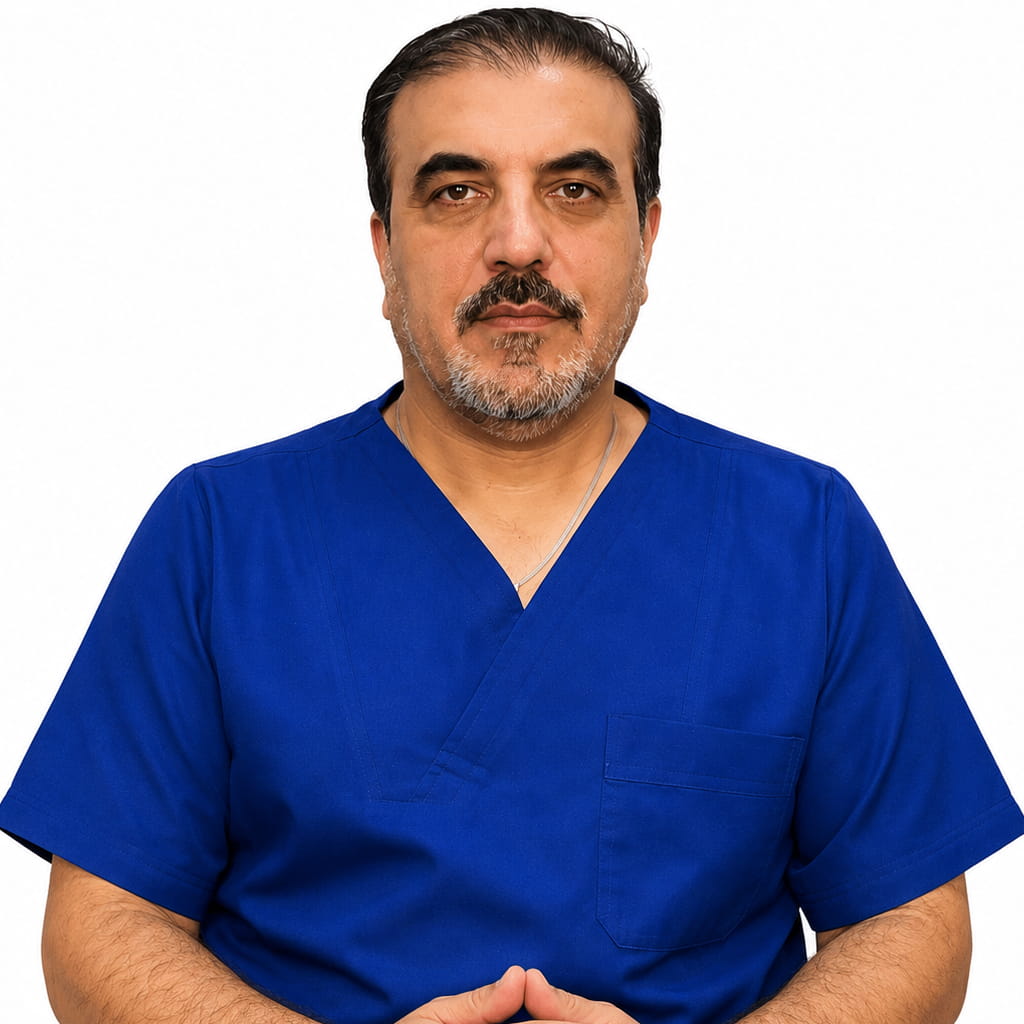
At Ceritamed, hair, beard, and eyebrow transplant procedures are performed by experienced specialists in hair restoration and aesthetic medicine, including Dr. Mohammad Ali Nilforoushzadeh and Dr. Gholamreza Dehghan. Their expertise in Hair Transplant, Beard Transplant, and Eyebrow Transplant helps ensure personalized treatment planning and natural-looking results.

International Patient Support
Ceritamed assists patients throughout their journey with:
- Online consultation
- Airport transfer
- Accommodation coordination
- Interpreter support
- Postoperative follow-up
Local SIM Card
Hotel
Visa Assistance
Medical Interpreter
Airport & City Transportation
Free Internet Access
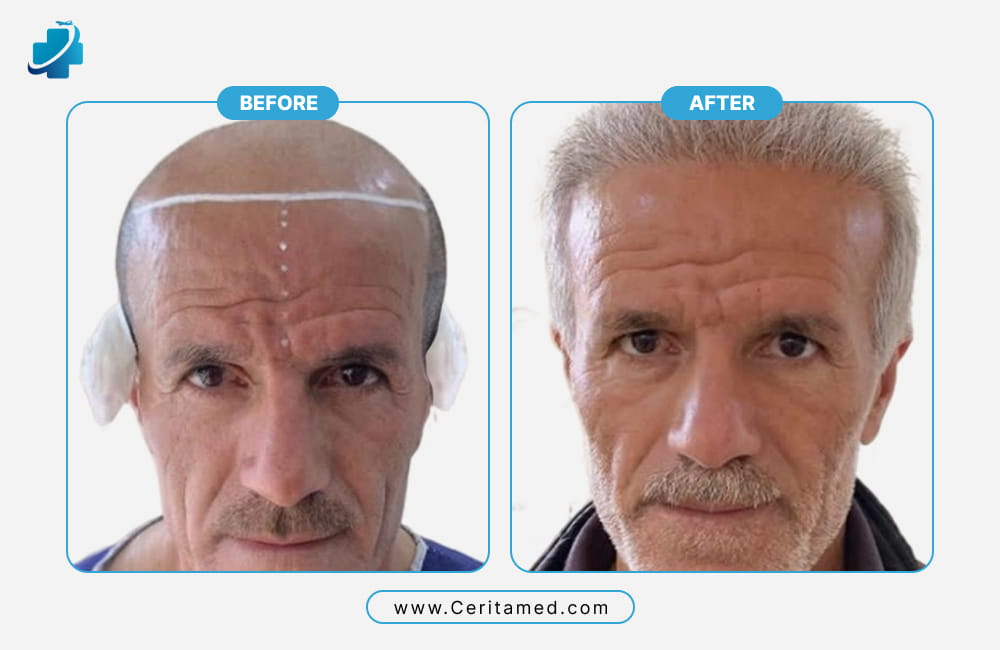
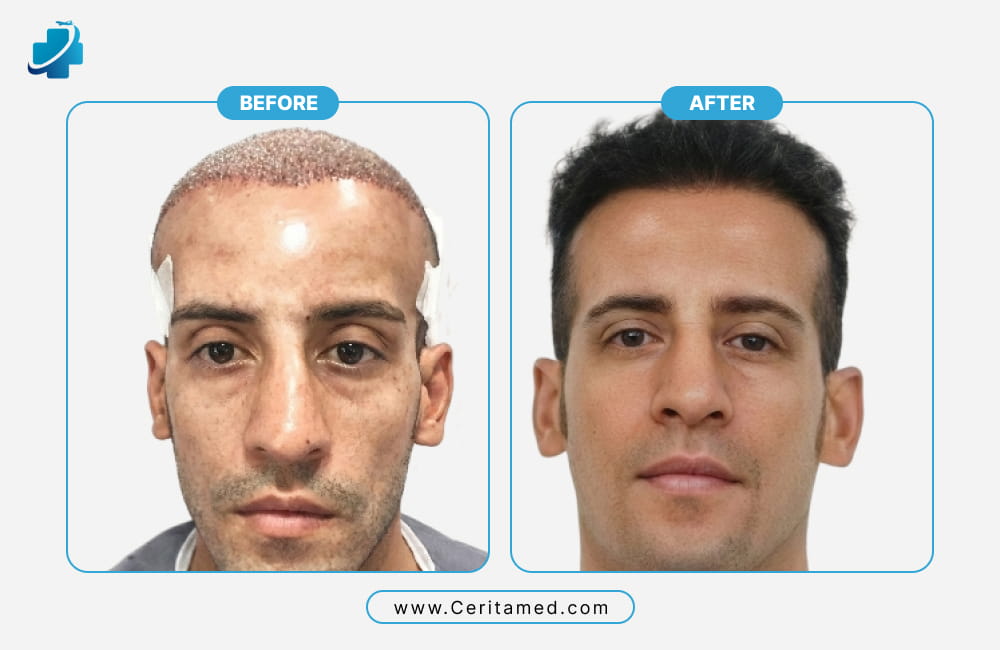
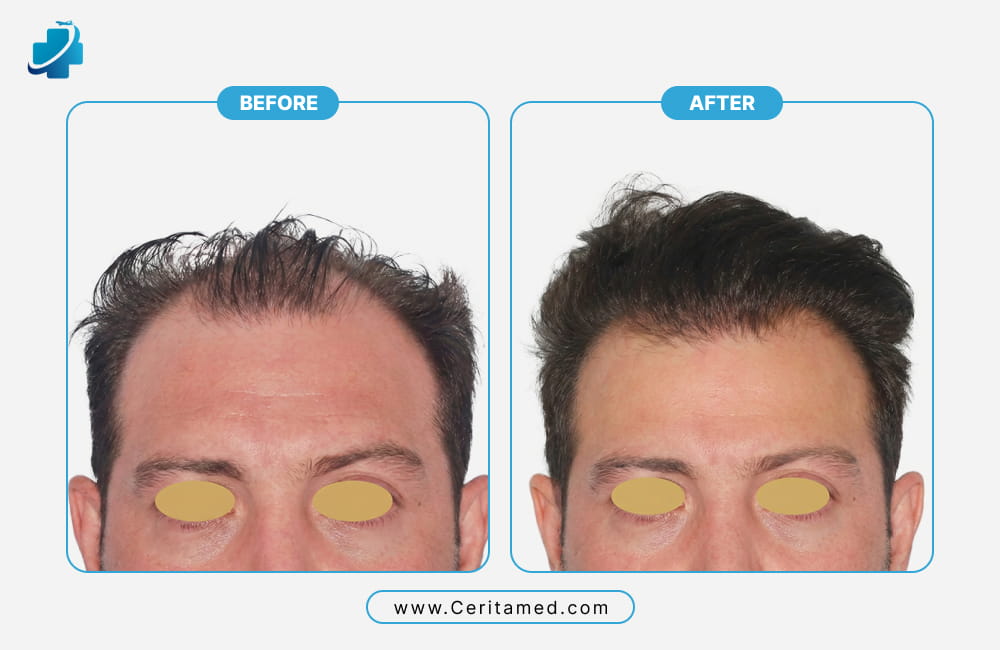
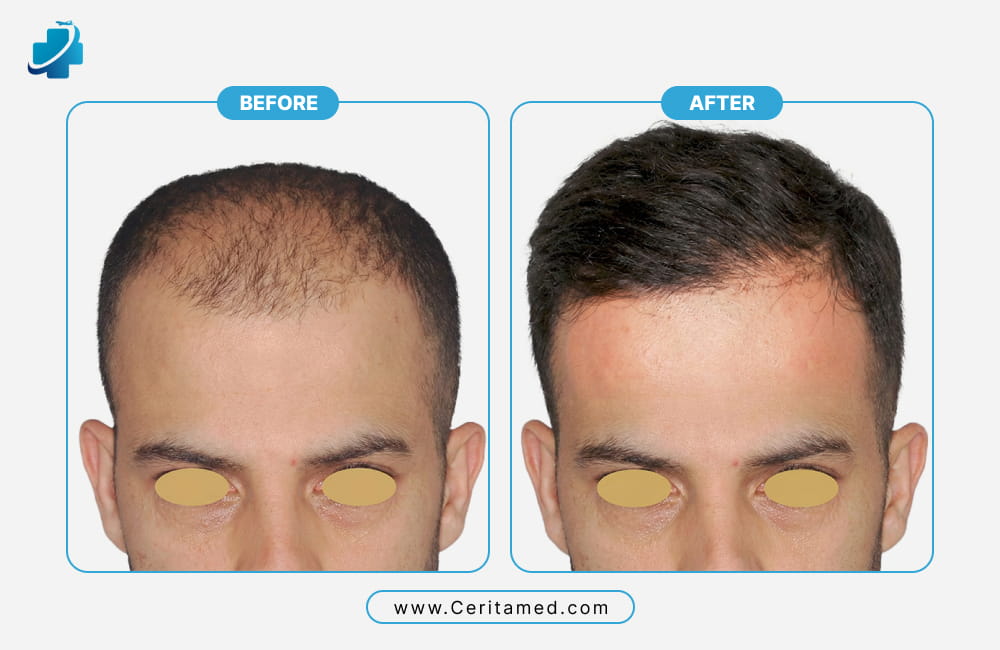
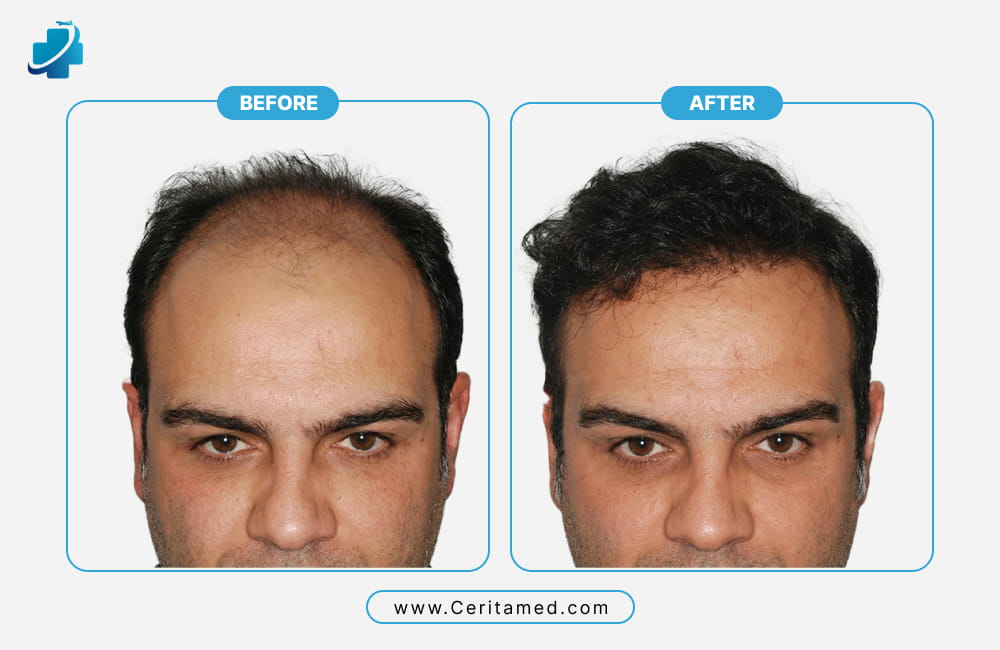
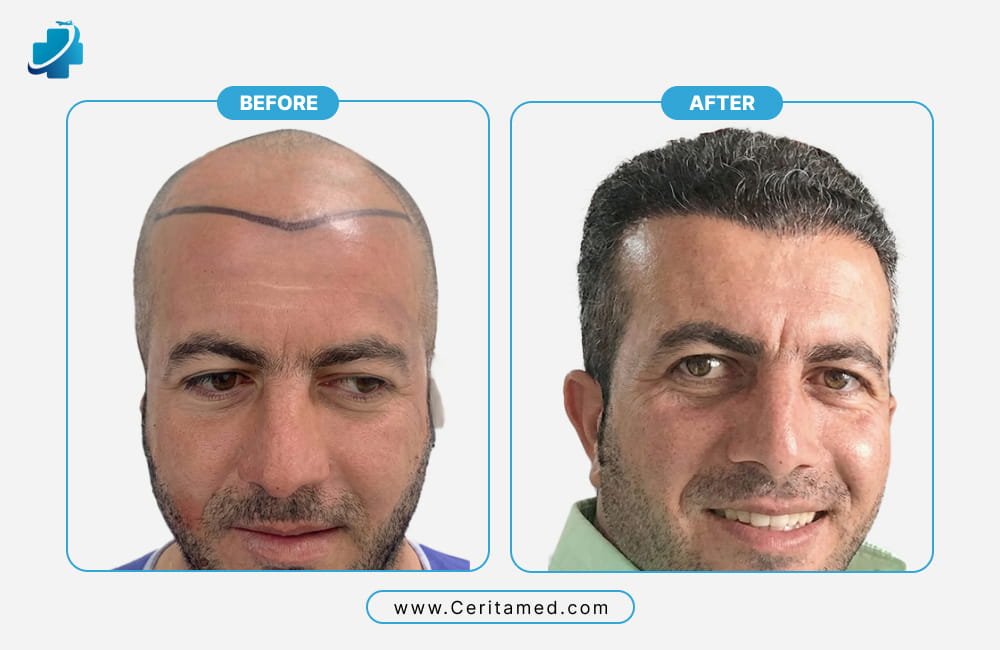
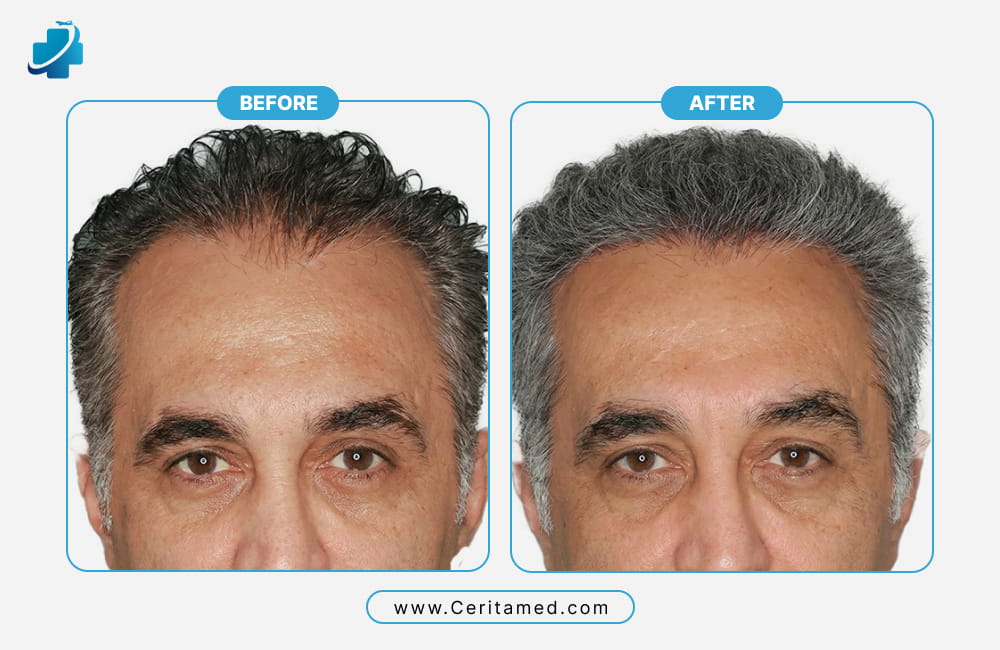
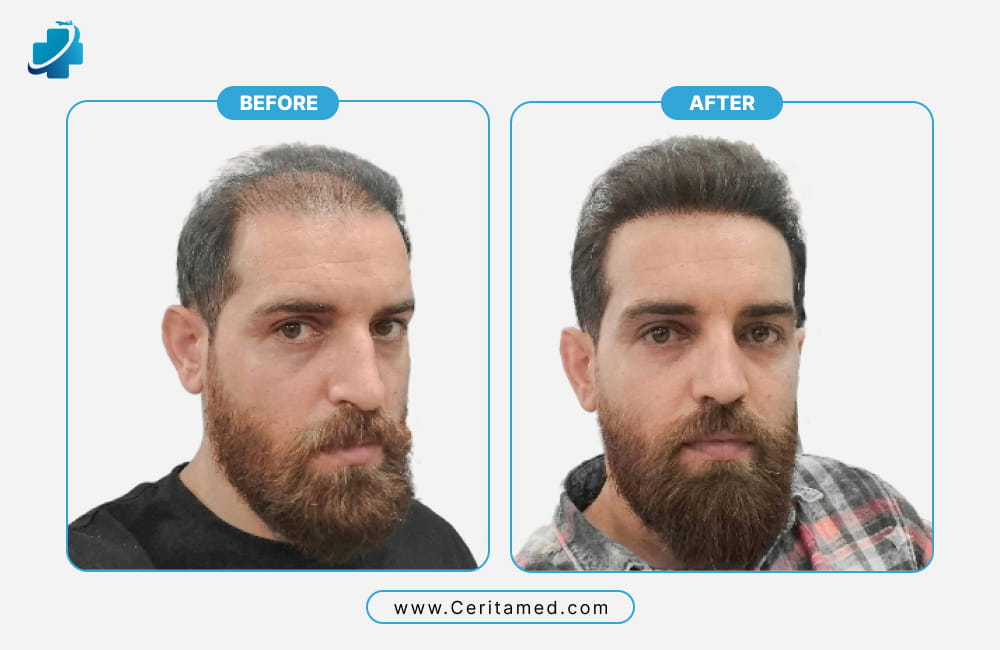
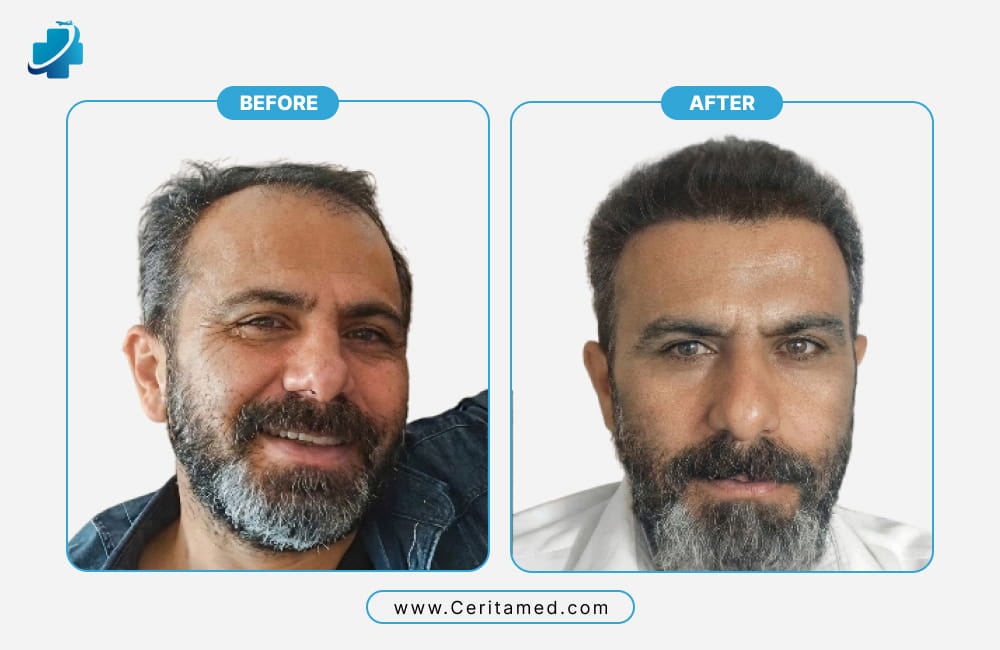
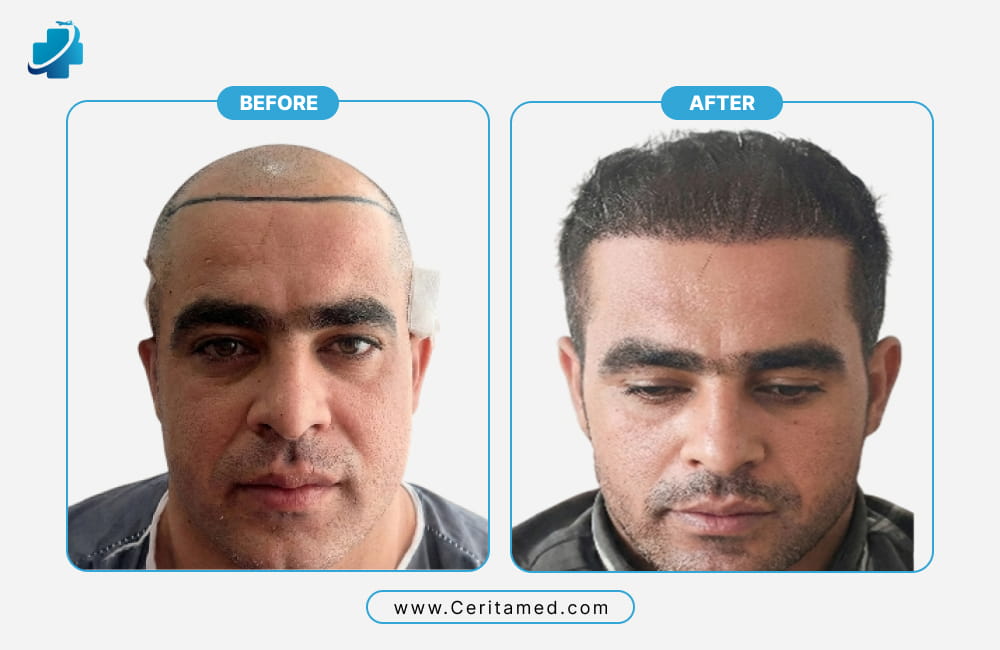
Real Patient Results
Before & After Cases
Documented, real results with patient consent.
International Testimonials
Patients from the Gulf, Europe, and beyond.
If you are looking for natural results, transparent pricing, and medical integrity, a hair transplant in Iran with Ceritamed may be the right choice for you.
Send us clear photos of your donor and recipient areas, and receive a professional, honest consultation—no pressure, no exaggeration.
Procedure Overview
Anesthesia: Local anesthesia
Success rate: 90–95%
Stay duration: 3–5 days

Hair Transplant Frequently Asked Questions
Is hair transplant painful?
No. The procedure is performed under local anesthesia, and discomfort is usually minimal.
Is hair transplant permanent?
Yes. Transplanted follicles usually maintain their resistance to hair loss and provide long-lasting results.
When can I return to work?
Most patients return to daily activities within a few days after surgery.
Can women get a hair transplant?
Yes. Women can undergo hair transplantation after proper evaluation of the cause of hair loss and donor area condition.