

Kidney Transplant in Iran
Kidney transplant in Iran can be an option for eligible patients with advanced kidney failure who need an alternative to long-term dialysis. At CeritaMed, international patients receive support with medical evaluation, donor compatibility testing, transplant coordination, and postoperative care in Iran.
For patients without a potential living donor, CeritaMed can also assist with the introduction of potential donor candidates for evaluation. Every candidate must complete the required medical, compatibility, consent, and legal assessment before transplantation can proceed.
- Advanced Living Donor Programs for Long-term Graft Success
- Expert Transplant Surgeons with Thousands of Successful Procedures
- Comprehensive Immunologic Compatibility & Post-Op Monitoring
What Is Kidney Transplantation?
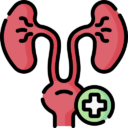
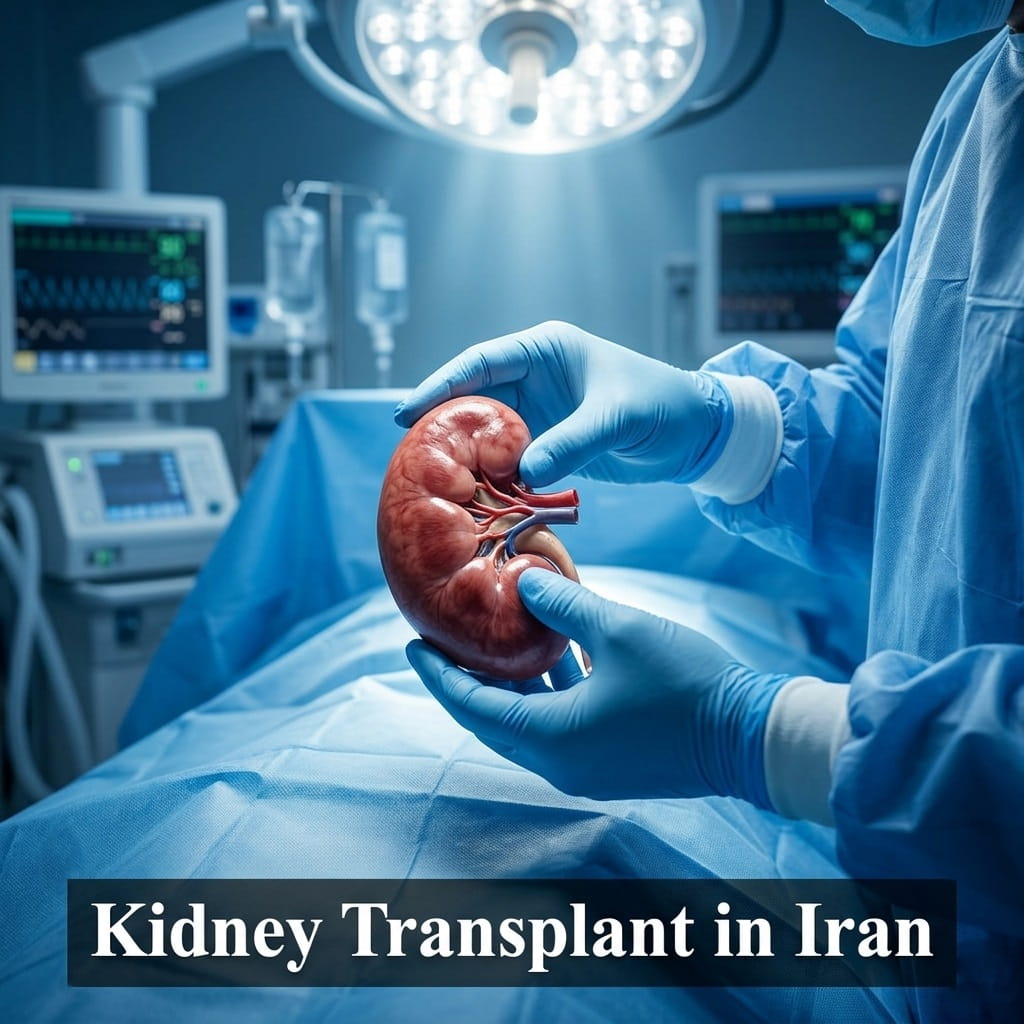
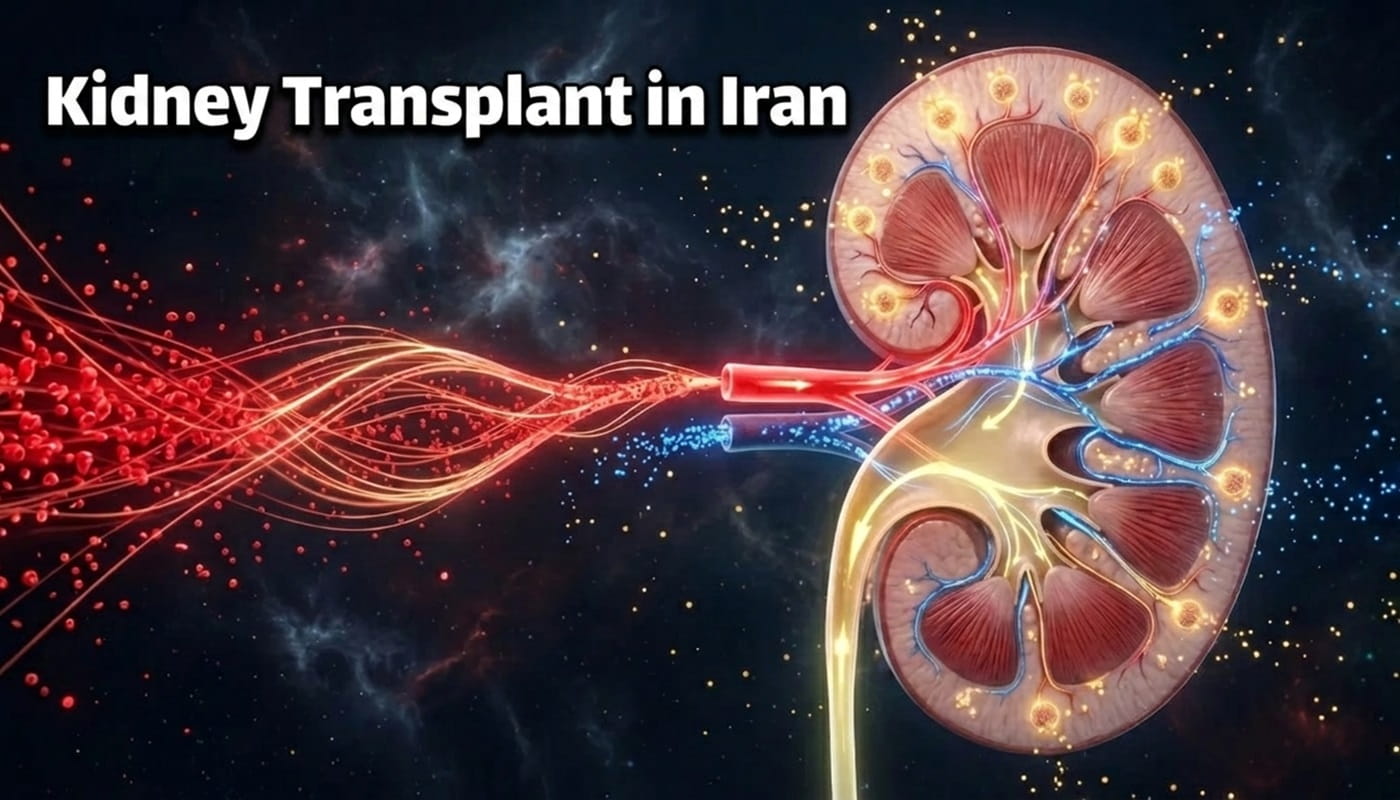
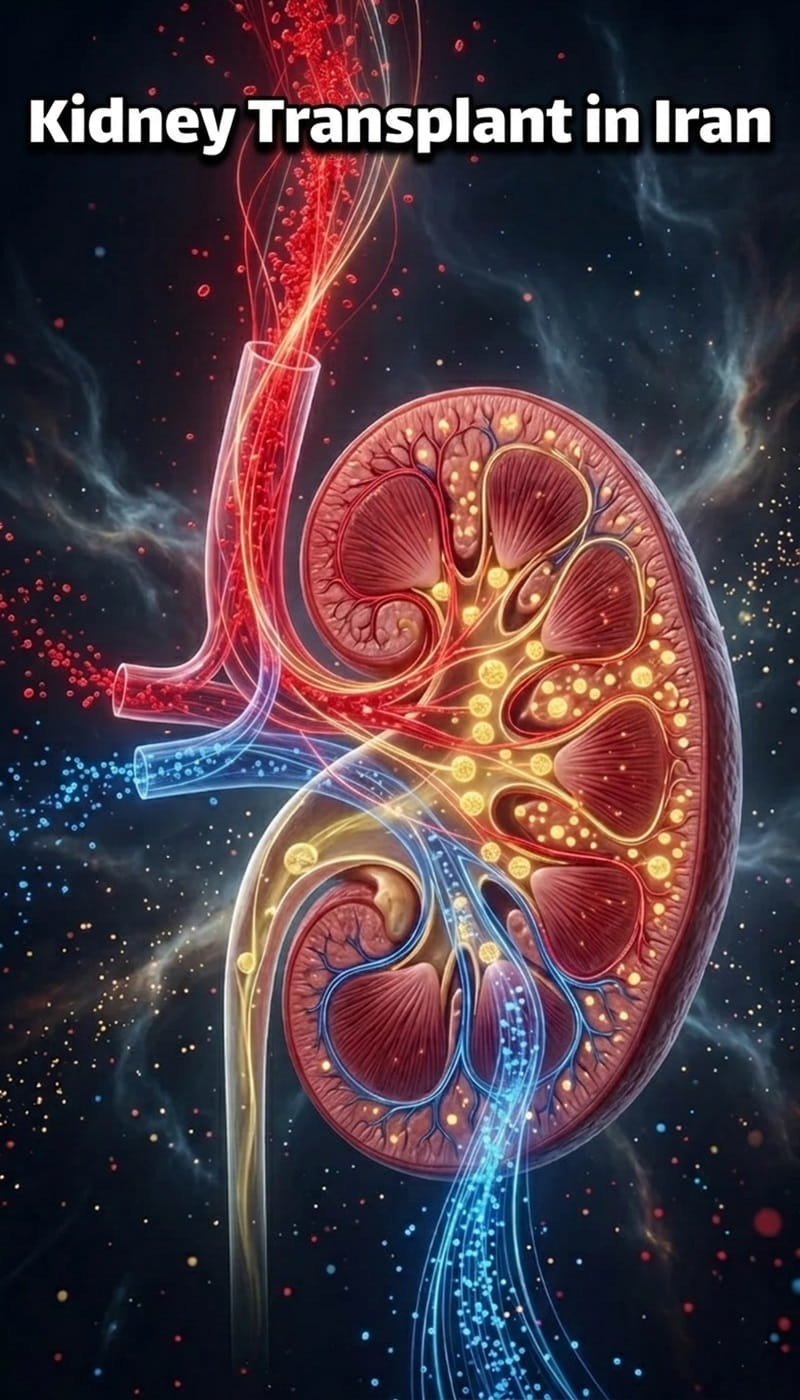
A kidney transplant, also called a renal transplant, is surgery in which a healthy donor kidney is placed into a person whose kidneys can no longer adequately perform their function.
For suitable patients with kidney failure, transplantation can provide greater independence from long-term dialysis and improve quality of life. However, transplantation does not eliminate the need for ongoing medical care: recipients require long-term follow-up and anti-rejection medication to protect the transplanted kidney.
Kidneys may come from living or deceased donors. CeritaMed’s international patient pathway can include living-donor kidney transplantation.
Who Is a Candidate for Kidney Transplantation?
Kidney transplantation may be considered for patients with advanced chronic kidney disease or kidney failure who are medically able to undergo major surgery and long-term immunosuppressive treatment.
Before approval, the recipient undergoes a pre-transplant evaluation. This commonly includes blood and urine tests, assessment of kidney and general health, infection screening, cardiovascular evaluation when indicated, and immunological testing.
Conditions such as active infection, certain cancers, severe uncontrolled medical problems, or other factors that significantly increase surgical or post-transplant risk may affect eligibility. Final suitability is determined by the transplant team.
Kidney Transplant Cost in Iran
The cost of kidney transplant in Iran depends on the level of medical care, accommodation, travel support, and donor-file coordination required.
CeritaMed currently offers four package options.
Surgery Package
Surgery Package
$7,000 – $8,500
- Kidney transplant surgery
- Pre-surgery medical coordination
- SIM card and internet service
- Airport pickup
- One-night hotel stay
Comprehensive Medical Care Package
Comprehensive Medical Care Package
13,400 USD
- Kidney transplant surgery
- Hospital stay and medical care for up to 14 days
- Medical tests and analyses
- Required medications
- SIM card and internet service
- Airport pickup
- One-night hotel stay for 4 people
Full Accommodation & Support Package
Full Accommodation & Support Package
15,500 USD
- Kidney transplant surgery
- Hospital stay and medical care for up to 14 days
- Medical tests and analyses
- Required medications
- SIM card and internet service
- Airport pickup
- One-month accommodation in a hotel or apartment for 4 people
- Interpreter
- Local transportation throughout the treatment period
Kidney Transplant with Donor File Support
Kidney Transplant with Donor File Support
29,900 USD
- Kidney transplant surgery
- Hospital stay and medical care for up to 14 days
- Medical tests and analyses
- Required medications
- Support for a suitable donor file
- Coordination of legal procedures and requirements
- SIM card and internet service
- Airport pickup
- One-month accommodation in a hotel or apartment for 4 people
- Dedicated interpreter
- Local transportation
- Visa coordination
For patients who require support with the living-donor pathway, CeritaMed can assist with the introduction and evaluation of potential donor candidates, subject to medical, compatibility, consent, and legal requirements. Package fees cover medical, coordination, travel, accommodation, and donor-file support services only; they do not represent payment for a kidney.
What Affects the Final Kidney Transplant Cost?
The final kidney transplant price in Iran may vary according to the recipient’s condition, required testing and hospital care, donor evaluation pathway, length of stay, and selected support package.
Who Can Be a Living Kidney Donor?
A living kidney donor must be medically suitable for donation and able to provide informed, voluntary consent.
Evaluation generally includes medical history, physical examination, kidney-function testing, blood and urine tests, infection screening, imaging, and assessment of factors that could increase surgical or long-term health risks.
Final eligibility is determined by the transplant team after the required medical and psychosocial evaluation.
Donor Introduction and Evaluation Support at CeritaMed
For patients without a potential living donor, CeritaMed can assist with the introduction of potential donor candidates and coordinate their evaluation.
Introduction does not guarantee approval. Each candidate must complete the required medical evaluation, compatibility testing, informed-consent process, and legal procedures.
CeritaMed can also coordinate the donor file, required examinations, communication with the transplant team, and treatment scheduling after eligibility is confirmed.
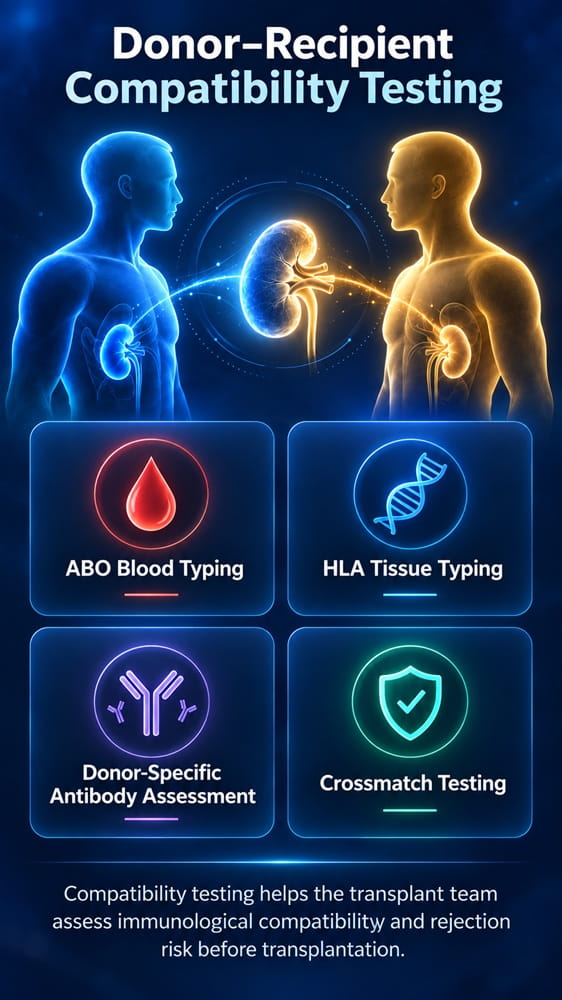
Donor–Recipient Compatibility Testing
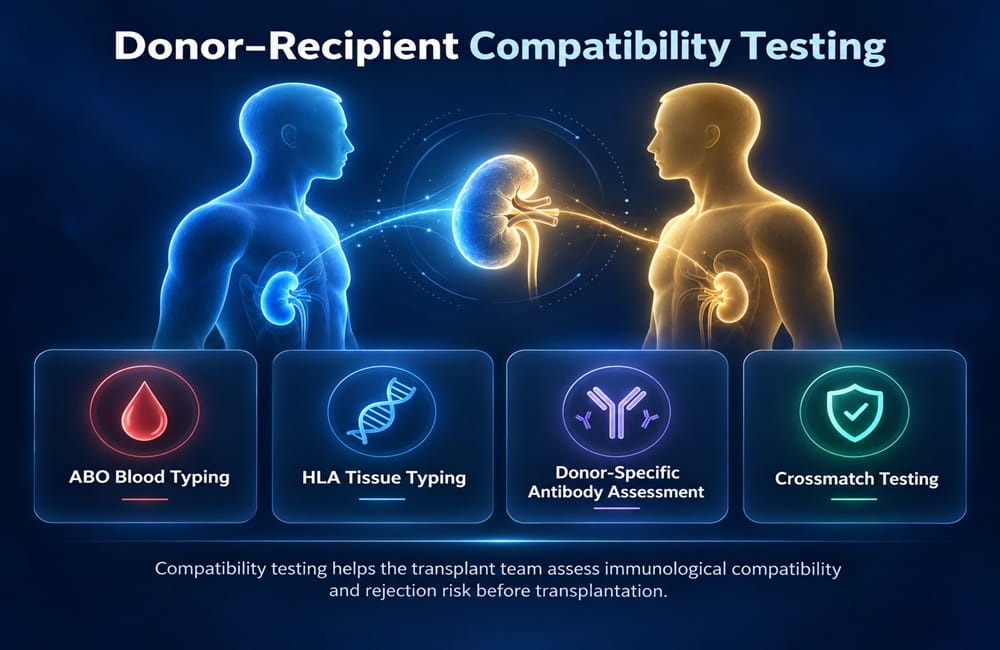
A potential donor must undergo compatibility testing with the intended recipient before transplantation.
Compatibility testing commonly includes:
- ABO blood typing
- HLA tissue typing
- Donor-specific antibody
- assessment
- Crossmatch testing
These tests help the transplant team assess immunological compatibility and rejection risk. Donor health and recipient suitability must also be confirmed before transplantation.
How Is Kidney Transplant Surgery Performed?
Kidney transplant surgery is performed under general anesthesia and typically takes around 3–4 hours.
The donor kidney is usually placed in the lower abdomen. Its blood vessels are connected to the recipient’s blood vessels, and the donor ureter is connected to the bladder. The recipient’s own kidneys usually remain in place unless removal is medically necessary.
After surgery, kidney function, urine output, blood tests, and the patient’s overall condition are closely monitored. Anti-rejection medication is also started to protect the transplanted kidney.
Kidney Transplant Recovery Timeline
Recovery depends on the patient’s overall health, transplanted kidney function, and whether complications occur.
Hospital Recovery
Most recipients remain in the hospital for several days while kidney function, medication response, and early postoperative recovery are monitored. Some patients may require a longer stay.
The up to 14 days of hospital care included in selected packages represents package coverage, not the required hospital stay for every patient.
Early Recovery
During the first weeks after discharge, the main priorities are wound healing, kidney-function monitoring, medication adjustment, adequate hydration, and a gradual return to normal activity.
Regular blood tests and follow-up visits are required, while heavy lifting and strenuous activity are generally restricted during early recovery.
How Long Should You Stay in Iran?
International patients should generally plan to remain in Iran for approximately 4–6 weeks after kidney transplantation.
This allows time for surgery, hospital recovery, early laboratory monitoring, medication adjustment, and postoperative follow-up before returning home.
Long-term follow-up with a nephrologist or transplant team remains necessary after leaving Iran.
Kidney Transplant Risks and Safety Considerations
Kidney transplantation is a major surgical procedure and carries both surgical and medical risks.
Possible complications include bleeding, infection, blood clots, urinary complications, and rejection of the transplanted kidney. Anti-rejection medicines can also increase susceptibility to infection and cause side effects requiring ongoing monitoring.
Careful evaluation, compatibility testing, medication management, and follow-up are important for reducing and managing these risks.
Risks for Living Kidney Donors
Living kidney donation also involves surgery, so donor safety must be assessed independently.
Potential donors require detailed medical evaluation and clear information about short- and long-term risks before providing informed consent, as well as appropriate follow-up after donation.
Kidney Transplant Outcomes and Success Factors
Kidney transplant outcomes vary between patients, so a single kidney transplant success rate cannot accurately describe every case.
Important factors include donor kidney quality, donor–recipient compatibility, recipient health, management of rejection and infection, adherence to anti-rejection medication, and long-term follow-up.
Living-donor transplantation can offer advantages such as planned surgery and favorable graft outcomes, but expected results must still be assessed individually.
Life After Kidney Transplantation
Protecting the transplanted kidney requires ongoing medical care.
Recipients need to take anti-rejection medication exactly as prescribed, undergo regular blood tests, and continue follow-up with their nephrologist or transplant team.
Blood pressure, blood sugar, nutrition, hydration, infection prevention, medication side effects, and kidney function also require long-term monitoring.
Kidney Transplant Surgeon at CeritaMed
Kidney transplant patients at CeritaMed can be evaluated by Dr. Mohammad Hossein Nourbala, a board-certified urologist and kidney transplant surgeon with fellowship training in kidney transplantation.
 Kidney Transplant Specialist
Dr. Mohammad Hossein Nourbala
Urologist & Kidney Transplant Surgeon
After successful transplantation and stabilization of kidney function, many patients experience significant improvements in quality of life and daily independence.
However, protecting the transplanted kidney requires lifelong commitment to:
- Anti-rejection medications
- Regular laboratory testing
- Blood pressure control
- Blood sugar management
- Healthy nutrition
- Long-term transplant nephrology follow-up
Why Choose Iran for Kidney Transplantation?
Iran has established experience in kidney transplantation, with specialist teams providing recipient evaluation, donor assessment, transplant surgery, and postoperative follow-up.
For international patients, treatment in Iran may also offer comparatively lower medical costs while providing access to specialized transplant care.
Why Choose CeritaMed for Kidney Transplant in Iran?
CeritaMed coordinates the medical and logistical stages of kidney transplant treatment in Iran, from initial medical review and donor evaluation to surgery, recovery, and follow-up.
Depending on the selected package, support can include medical testing, donor-file and compatibility coordination, hospital scheduling, accommodation, airport transfers, interpreter services, local transportation, visa coordination, and communication support.
This allows international patients to manage the medical and travel stages of transplantation through one coordinated pathway.
Considering a Kidney Transplant in Iran?
The first step is a medical review to determine whether kidney transplantation is appropriate and which treatment and donor pathway may be suitable.
Contact CeritaMed for medical record review, kidney transplant package options, donor and compatibility coordination, and treatment and travel planning in Iran.
Procedure Overview
Anesthesia: General Anesthesia
Procedure Duration: 3–4 Hours
Stay Duration in Iran: 4–6 Weeks

Frequently Asked Questions About Kidney Transplant in Iran
Is kidney transplantation better than long-term dialysis?
For many patients with end-stage renal disease, kidney transplantation may provide better long-term quality of life and greater independence compared to chronic dialysis treatment.
How long can a transplanted kidney last?
Kidney transplant longevity varies significantly depending on donor compatibility, medical follow-up, medication adherence, and overall patient health.
Can foreign patients receive kidney transplant treatment in Iran?
International patients may undergo evaluation and treatment according to applicable Iranian medical and legal regulations.
What are the biggest risks after kidney transplantation?
The primary risks include transplant rejection, infection, and complications related to immunosuppressive medications.
Why are anti-rejection medications important?
Immunosuppressive medications are essential for preventing the immune system from attacking the transplanted kidney.
Can someone live normally with one kidney?
Yes. Most healthy kidney donors continue to live normal, healthy lives with one functioning kidney.