

Eyebrow Transplant in Iran
Eyebrow transplant in Iran restores fuller, natural-looking eyebrows with permanent hair growth. At Ceritamed, advanced FUE and DHI eyebrow transplant techniques are tailored to each patient’s facial structure to create balanced, aesthetically pleasing results.
- FUE & DHI techniques for natural beard restoration
- Single-hair implantation with precise angle and direction control
- Customized eyebrow design based on facial proportions and symmetry
What Is an Eyebrow Transplant and Who Is a Good Candidate?
An eyebrow transplant is a minimally invasive procedure where individual hair follicles are extracted from a donor area and implanted into areas with missing or thinning eyebrow hair.
Unlike scalp transplantation, eyebrow restoration requires single-hair grafts and precise placement because eyebrow hairs grow at specific angles and directions. A successful result depends on careful design, proper technique selection, and understanding facial proportions.
You may be a good candidate for eyebrow transplant if you have:
- Naturally thin or sparse eyebrows
- Patchy eyebrows due to genetics or hormonal factors
- Eyebrow hair loss caused by scars, burns, or trauma
- Overplucked or damaged eyebrows
- Previous tattoo or microblading that requires correction
Why Eyebrows Become Thin or Patchy?
Eyebrow thinning can occur for several reasons, including:
- Genetic factors: Natural differences in follicle distribution can cause sparse eyebrows.
- Hormonal changes: Hormonal fluctuations may affect eyebrow density.
- Overplucking or cosmetic procedures: Repeated hair removal can permanently damage follicles.
- Scars, burns, or trauma: Injuries may prevent natural hair growth in specific areas.
- Alopecia areata: Eyebrow transplantation may be considered only in stable and inactive cases after medical evaluation.
Eyebrow Restoration for Thin Brows – What Results Are Realistic?
The goal of eyebrow restoration is not excessive density or an artificial appearance. A successful eyebrow transplant focuses on creating natural symmetry, filling gaps, and improving definition while maintaining harmony with the patient’s facial features.
The final result depends on factors such as:
- Facial structure
- Existing eyebrow pattern
- Donor hair quality
- Surgical design and implantation technique
Eyebrow Transplant for Scars and Microblading Correction
An eyebrow transplant for scars can help restore hair growth in areas affected by injuries, burns, or previous procedures. Before treatment, scar tissue is evaluated to determine skin thickness and blood supply.
Eyebrow transplantation can also help improve the appearance of old or unnatural microblading and eyebrow tattoos by adding real hair texture and creating a more natural look.
Eyebrow Design and Shape Planning
Unlike scalp hair transplantation, eyebrow restoration is both a medical and aesthetic procedure. Even small differences in hair angle or eyebrow shape can affect facial expression, which is why personalized design is essential.
Custom Eyebrow Design Based on Facial Structure
At Ceritamed, eyebrow design is planned according to:
- Facial symmetry
- Eye shape
- Bone structure
- Gender-specific aesthetics
- Long-term facial changes
The goal is to create eyebrows that complement the face rather than follow temporary trends.
Female vs. Male Eyebrow Transplant Design
Eyebrow design varies depending on facial characteristics and aesthetic goals.
- Female eyebrow transplant: Usually focuses on softer arches, balanced curves, and natural density.
- Male eyebrow transplant: Often requires a stronger, flatter structure with a more defined frame.
Each treatment plan is customized to achieve natural-looking eyebrow results.
Eyebrow Transplant Techniques in Iran
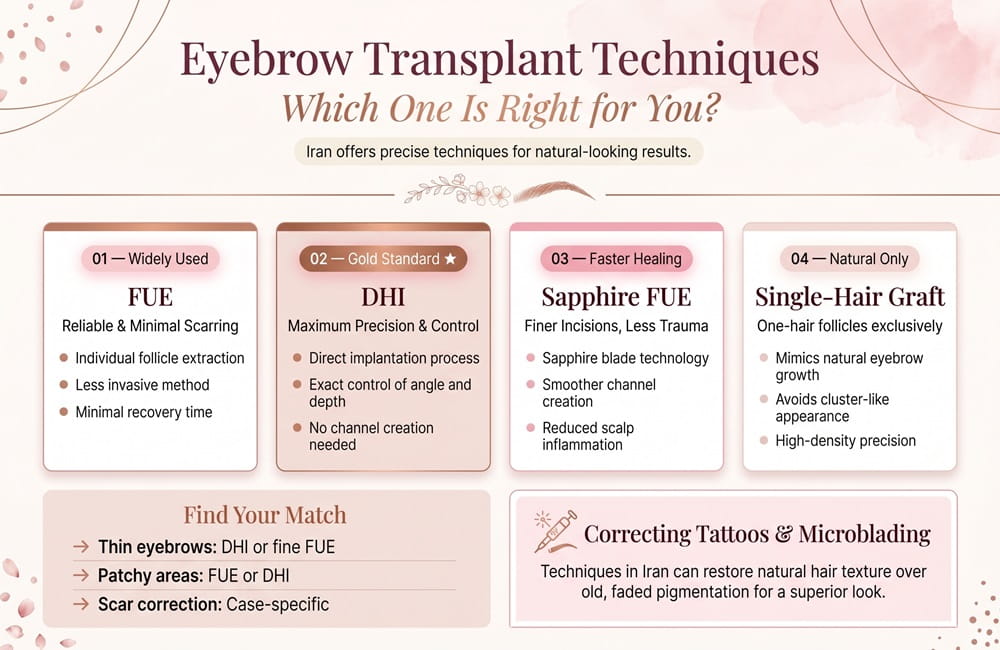
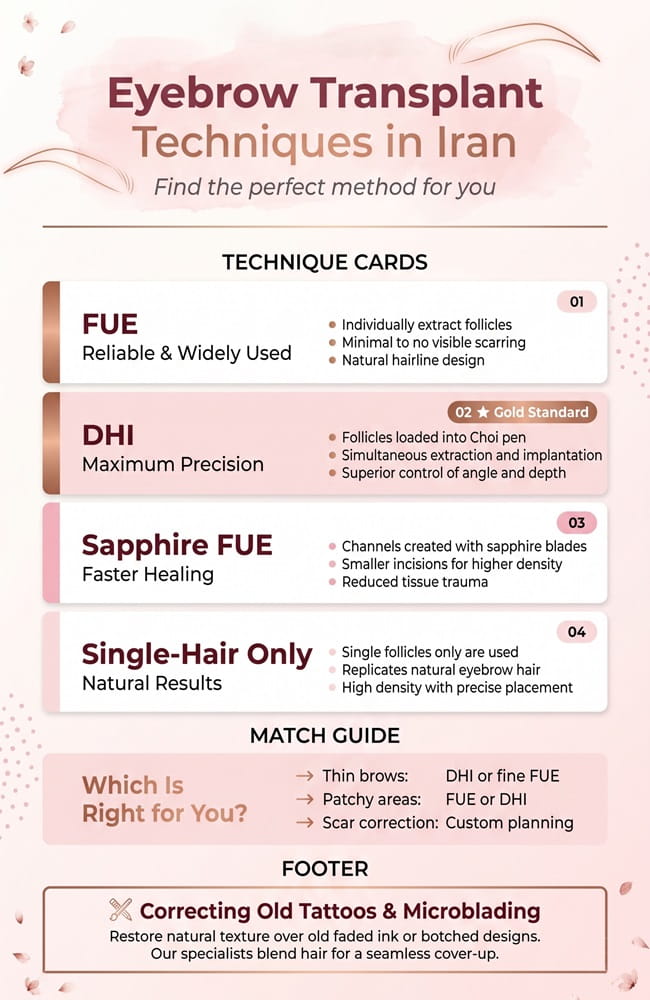
Choosing the right eyebrow transplant technique directly affects the naturalness, direction, and long-term appearance of the eyebrows. Since eyebrow hairs require precise angle control and single-hair placement, the technique must be selected according to the patient’s eyebrow condition, donor area, and desired result.
At Ceritamed, advanced methods such as FUE eyebrow transplant, DHI eyebrow transplant, and Sapphire FUE are used based on individual needs.
FUE Eyebrow Transplant
FUE eyebrow transplant (Follicular Unit Extraction) is a widely used technique where individual hair follicles are extracted from the donor area and implanted into sparse or missing eyebrow areas.
Advantages include:
- Minimal visible scarring
- Natural-looking eyebrow growth
- Suitable for most thin or patchy eyebrows
- Faster recovery compared with traditional methods
FUE is commonly used for eyebrow density improvement, scar correction, and restoring damaged eyebrow areas.
DHI Eyebrow Transplant
DHI eyebrow transplant (Direct Hair Implantation) uses specialized implantation pens to place follicles directly into the eyebrow area.
Because eyebrows require precise control over depth, direction, and angle, DHI can provide better control in delicate eyebrow zones.
Benefits include:
- Precise follicle placement
- Natural hair direction
- Better control over eyebrow shape and density
Sapphire FUE Eyebrow Transplant
Sapphire FUE eyebrow transplant uses sapphire blades to create smaller recipient channels before implantation.
Potential benefits include:
- Smaller and more precise incisions
- Reduced tissue trauma
- Faster healing
- Improved control during implantation
Single-Hair Graft Extraction
Eyebrows require single-hair grafts to achieve a natural appearance. Unlike scalp transplantation, using multi-hair follicles can create an unnatural and bulky look.
Careful selection and implantation of individual follicles are essential for achieving realistic eyebrow density and direction.
Eyebrow Transplant Procedure and Graft Planning
A successful eyebrow transplant procedure requires detailed planning before implantation. The surgeon evaluates the donor area, eyebrow design, and facial proportions to create results that look natural and balanced.
Donor Area Selection
The donor area is usually selected from the scalp because scalp follicles provide strong and permanent growth.
The surgeon evaluates:
- Hair texture compatibility
- Follicle quality
- Available graft numbers
Proper donor selection helps ensure that transplanted hairs blend naturally with existing eyebrow hair.
Hair Direction and Angle Control
Eyebrow transplantation requires extremely precise placement because eyebrow hairs grow at flatter angles and change direction across different areas.
The surgeon carefully controls:
- Hair angle
- Growth direction
- Density distribution
- Symmetry between both eyebrows
Even small mistakes in angulation can affect the final appearance, making experience and precision essential.
How Many Grafts Do You Need?
The required number of grafts depends on the level of thinning, desired density, and treatment area.
Typical ranges include:
- Light eyebrow enhancement: 100–300 grafts
- Moderate eyebrow restoration: 300–500 grafts
- Complete eyebrow reconstruction: 500+ grafts
The exact number is determined after evaluation to achieve natural density while avoiding an artificial appearance.
Eyebrow Transplant Results, Recovery and Safety
The final outcome of an eyebrow transplant develops gradually as transplanted follicles adapt and begin a new growth cycle. Proper aftercare and realistic expectations are essential for achieving natural and long-lasting eyebrow transplant results.
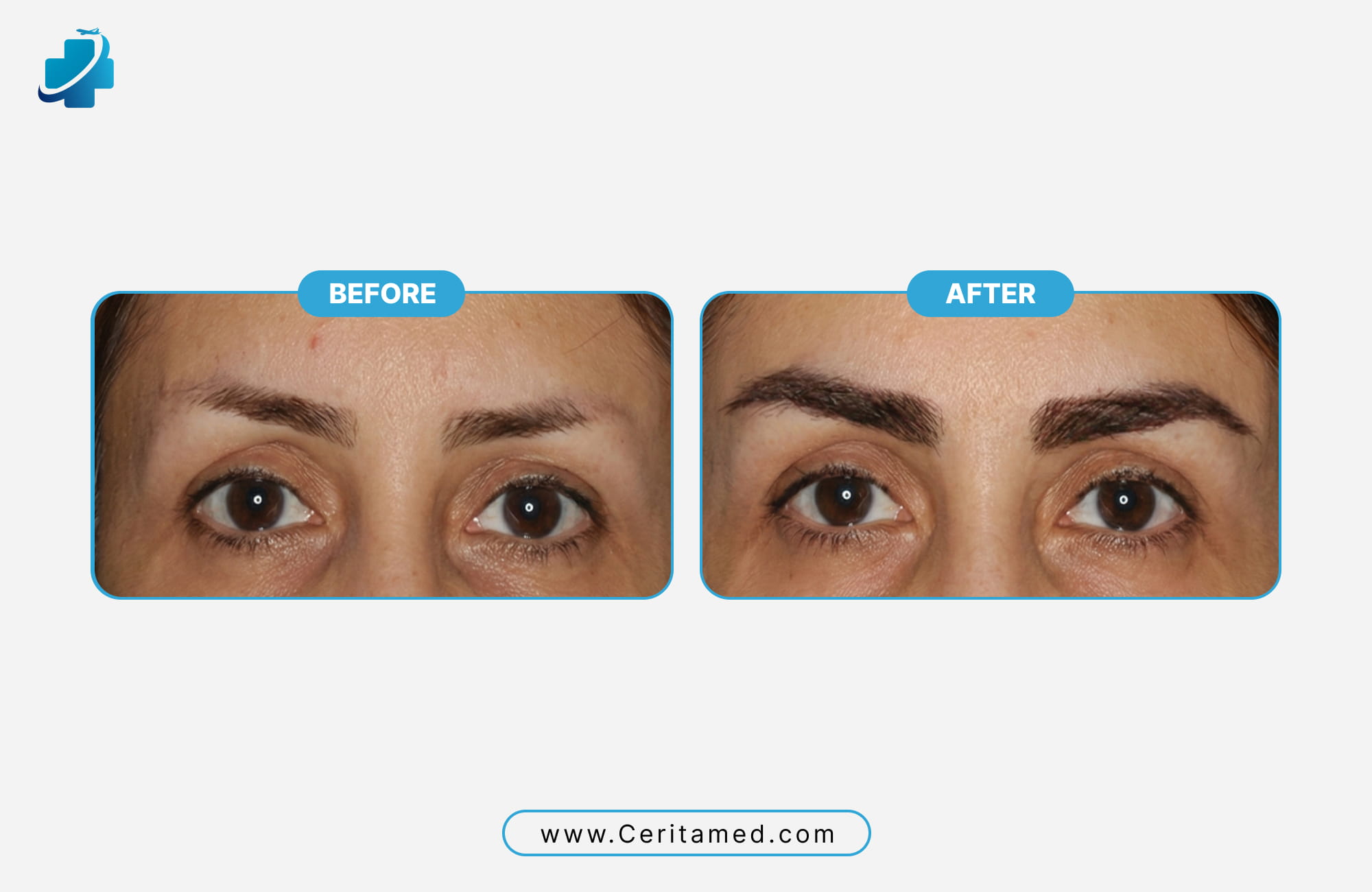
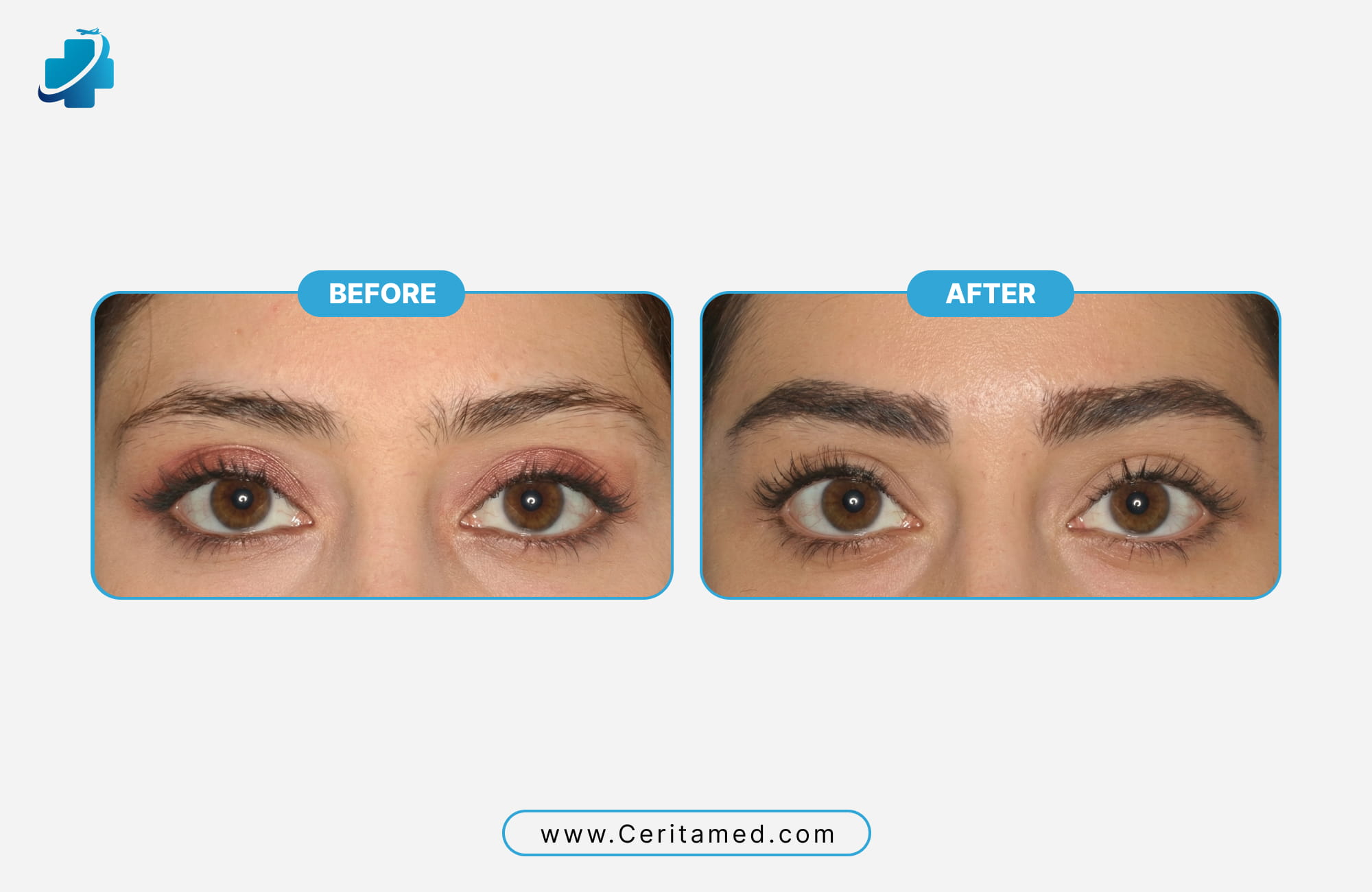
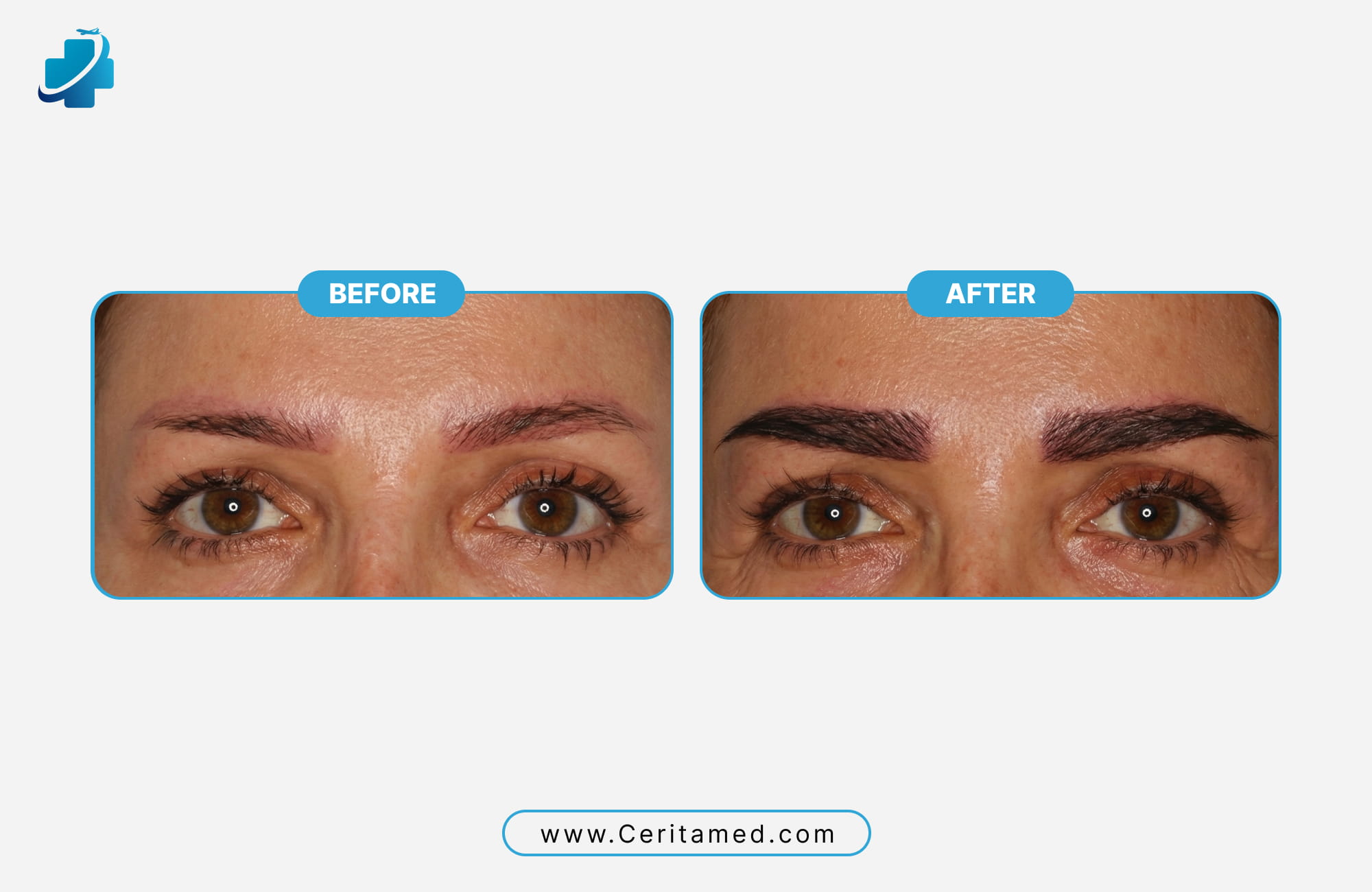
Eyebrow Transplant Before and After Results
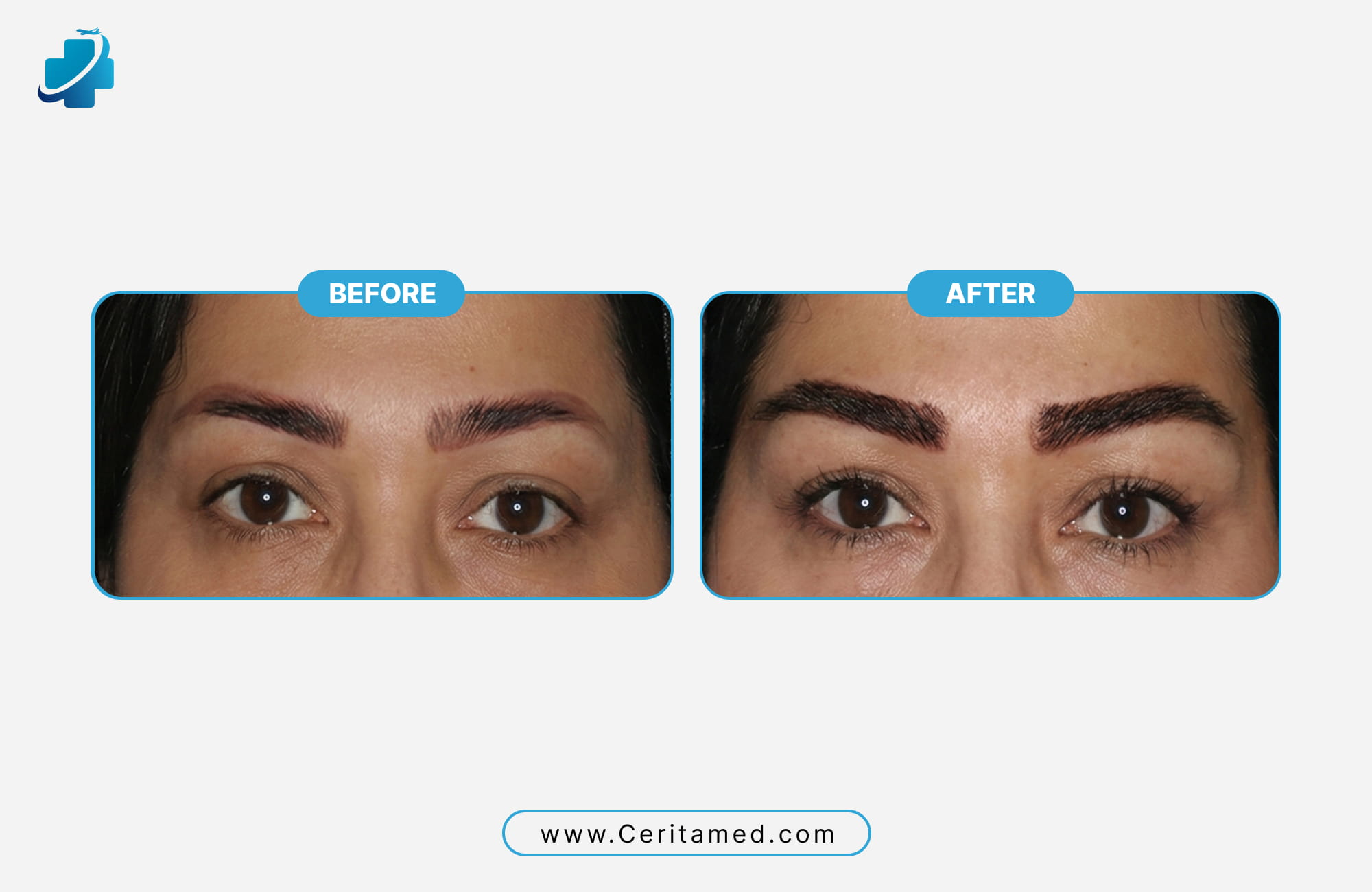
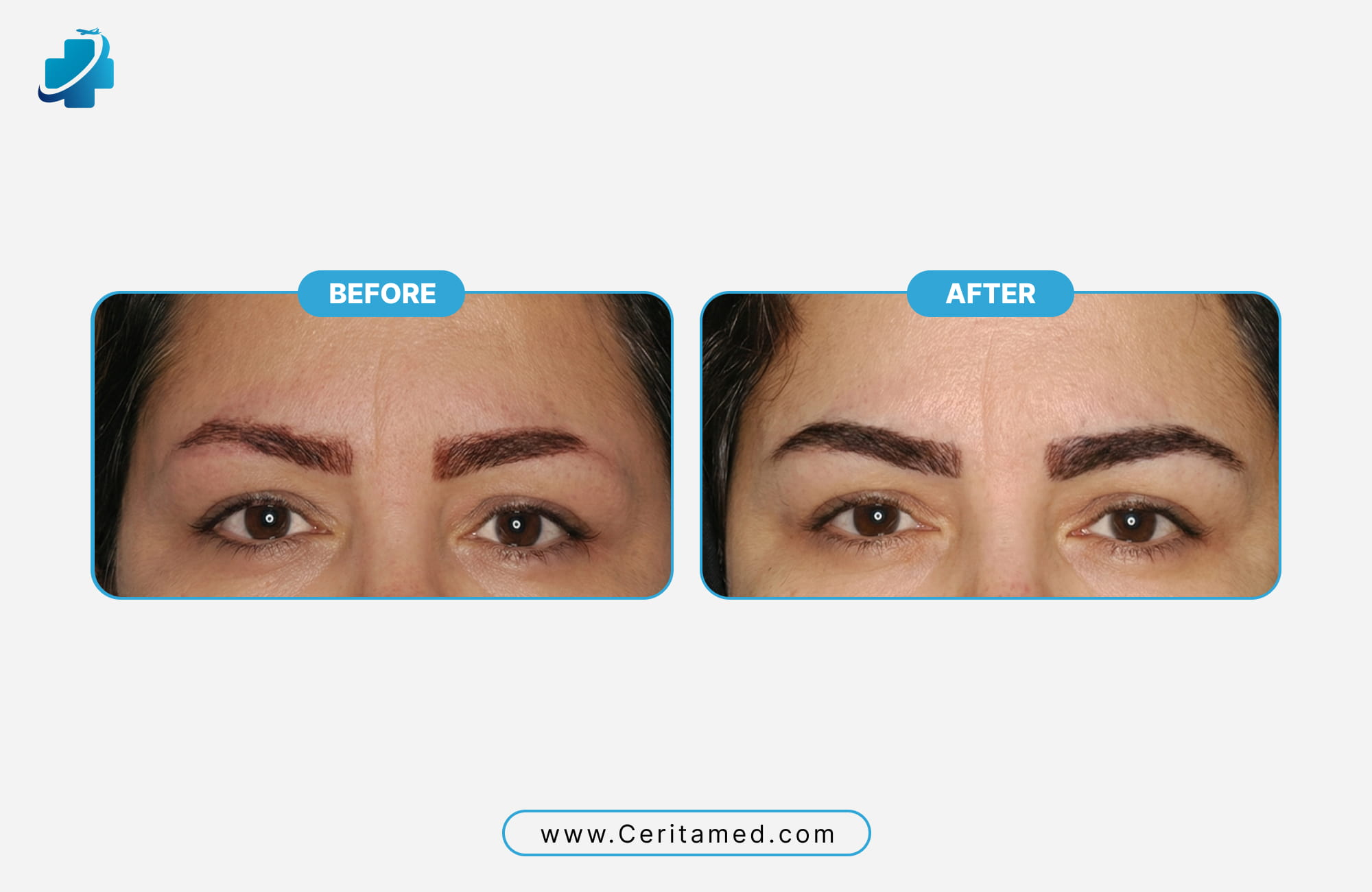
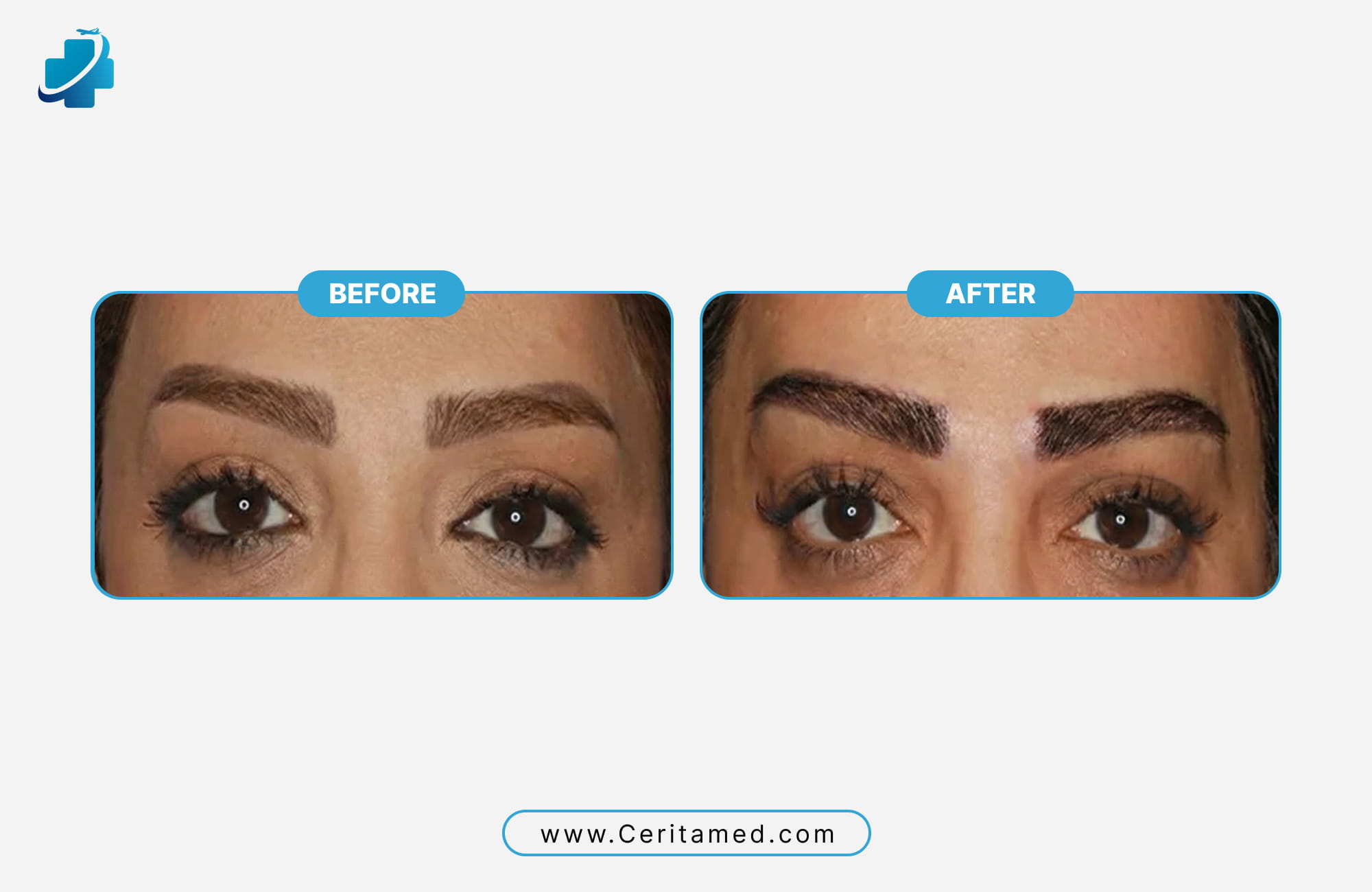
An eyebrow transplant before and after comparison shows gradual improvement rather than immediate final density.
Typical timeline:
- First weeks: Temporary shedding and mild redness may occur
- 3–4 months: New eyebrow hair growth begins
- 6 months: Visible improvement in shape and density
- 9–12 months: Final natural-looking results become more stable
Eyebrow Transplant Recovery Timeline
Recovery after FUE eyebrow transplant or DHI eyebrow transplant is generally quick.
Patients may experience:
- Mild swelling and redness during the first days
- Small scabs that usually disappear within 1–2 weeks
- Gradual improvement as transplanted follicles settle
Following postoperative instructions helps protect grafts and improve the final outcome.
Is Shedding After Eyebrow Transplant Normal?
Yes. Temporary shedding, also known as shock loss, is a normal part of the healing process.
The transplanted follicles remain alive beneath the skin and usually begin producing new hair after the resting phase. Shock loss does not mean the procedure has failed.
Eyebrow Transplant Before and After Results
Every eyebrow transplant result is unique and carefully planned according to the patient’s facial features, eyebrow shape, and aesthetic goals. Before and after images demonstrate the gradual improvement in eyebrow density, symmetry, and natural appearance achieved with personalized treatment.
Aftercare and Long-Term Maintenance
Proper aftercare plays an important role in protecting newly transplanted eyebrow follicles and supporting healthy growth.
Eyebrow Transplant Aftercare
Patients should follow medical instructions, including:
- Avoiding pressure or rubbing on the eyebrow area
- Protecting newly implanted follicles during the early healing period
- Attending scheduled follow-up appointments
Washing Your Face After Eyebrow Transplant
Gentle face washing is usually allowed after 48–72 hours following the surgeon’s instructions.
Patients should avoid rubbing, scratching, or applying strong pressure to the transplanted area during early recovery.
Shaving and Grooming After Eyebrow Transplant
Because transplanted eyebrow hairs continue growing like normal hair, they may require occasional trimming.
Typical guidance:
- Scissors: after approximately 2 weeks
- Trimming tools: after around 4 weeks
- Full shaping: after follicles become more stable
Eyebrow Transplant Cost in Iran
The eyebrow transplant cost in Iran depends on several factors, including the number of grafts, selected technique, case complexity, and included medical services.
At Ceritamed, eyebrow transplant packages start from approximately $600, with the final cost determined after evaluating your eyebrow condition and restoration goals.
Eyebrow Transplant Packages in Iran
Best Price
Eyebrow Transplant — Economy
Economy eyebrow transplant with initial eyebrow-shape design
480 USD
- Eyebrow transplant using the micrograft technique
- Initial eyebrow-shape design
- Required medications
- Required laboratory tests
- Post-transplant follow-up
- 2 nights hotel accommodation
- SIM card and internet service
- Interpreter
- Transportation
Custom Design
Eyebrow Transplant — VIP
Personalized eyebrow transplant with enhanced density and custom design
680 USD
- Eyebrow transplant using the micrograft technique
- Personalized eyebrow-shape design
- Enhanced density based on individual needs
- Required medications
- Required laboratory tests
- Post-transplant follow-up
- 2 nights hotel accommodation
- SIM card and internet service
- Interpreter
- Transportation
What Affects Eyebrow Transplant Cost?
The price may vary depending on:
- Number of required grafts
- FUE or DHI technique
- Scar correction or microblading correction needs
- Treatment complexity
- International patient services
Why Iran Is a Cost-Effective Choice
The lower eyebrow transplant cost in Iran is mainly related to economic factors and operational expenses, not reduced medical standards.
Patients can access experienced specialists and advanced techniques such as FUE and DHI eyebrow transplant while benefiting from competitive treatment costs compared with many Western countries.
Why Choose Ceritamed for Eyebrow Transplant in Iran?
A successful eyebrow transplant in Iran requires more than follicle implantation. Natural results depend on facial design, single-hair placement, correct angles, and medical expertise.
Experienced Medical Team
Ceritamed works with experienced hair restoration specialists who focus on:
- Natural eyebrow design
- Precise angle control
- Personalized treatment planning
At Ceritamed, hair, beard, and eyebrow transplant procedures are performed by an experienced team specializing in hair restoration and aesthetic medicine. Their expertise in Hair Transplant, Beard Transplant, and Eyebrow Transplant helps ensure personalized treatment planning and natural-looking results.
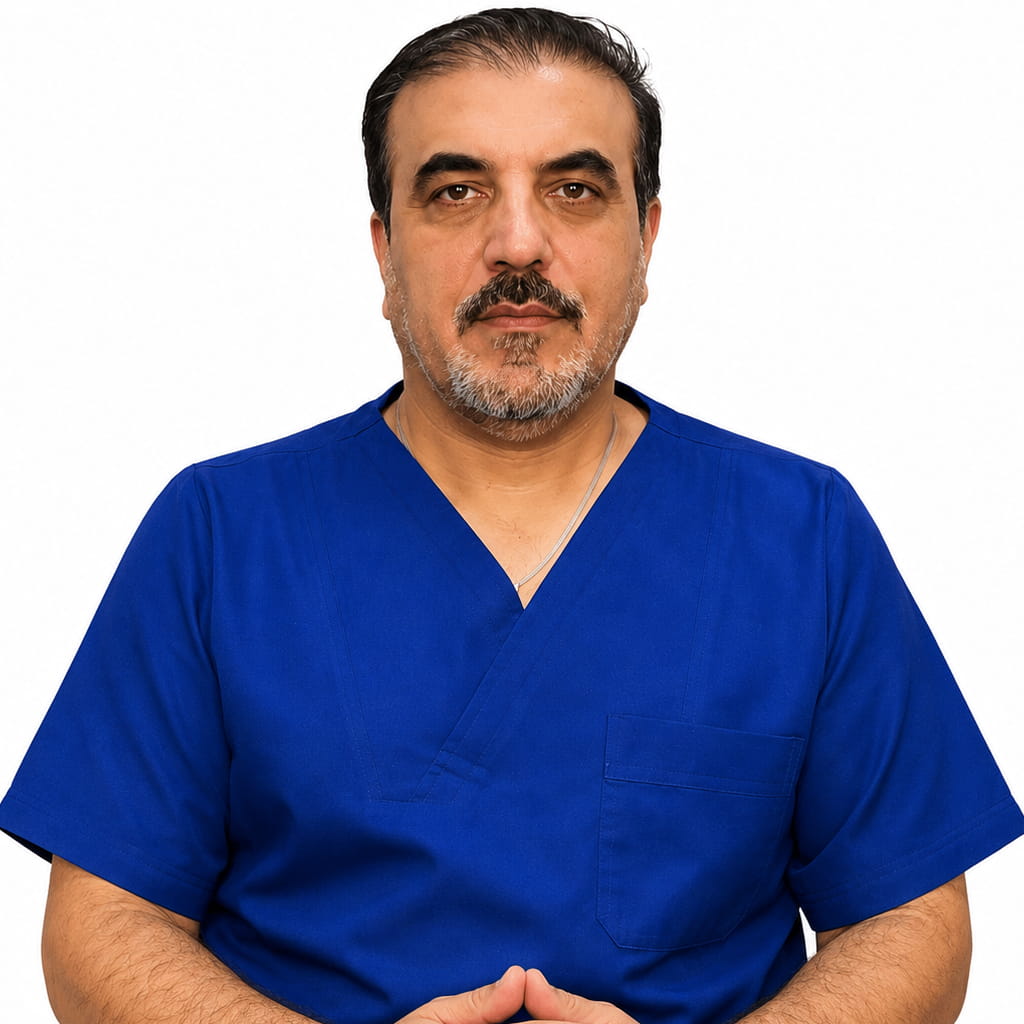 Aesthetic Medicine Specialist
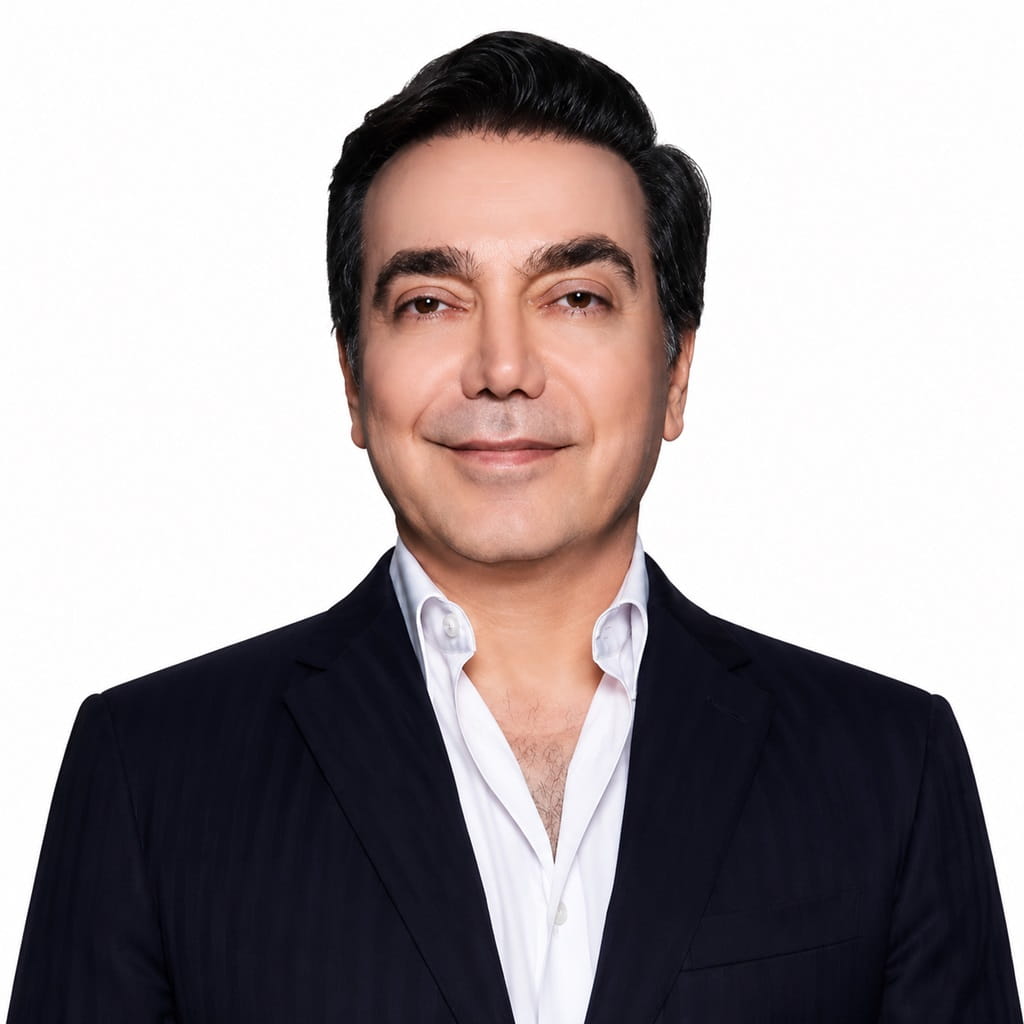
Dr. Gholamreza Dehghan
Aesthetic Medicine Physician
 Dermatology Specialist
Prof. Mohammad Ali Nilforoushzadeh
Dermatologist, Hair Transplant & Regenerative Medicine Specialist
International Patient Support
International patients receive coordinated support, including:
- Online consultation
- Airport transfer
- Accommodation assistance
- English-speaking support
- Postoperative follow-up
If you are looking for natural eyebrows, medical safety, and transparent pricing, eyebrow transplant in Iran with Ceritamed is a confident choice.
Send us clear photos, and receive a personalized treatment plan—honest, precise, and without exaggeration.
Procedure Overview
Anesthesia: Local anesthesia
Success Rate: 90–95%
Stay Duration: 3–5 days

Frequently Asked Questions About Eyebrow Transplant
Is eyebrow transplant painful?
No. Local anesthesia keeps discomfort minimal.
Are the results permanent?
Yes. Transplanted follicles grow permanently.
When can I wash my face?
After 48–72 hours, gently.
When can I trim or shape my eyebrows?
Scissors after 2 weeks; full shaping later.
Can eyebrow transplant fix scars or old microblading?
Yes, in many cases.
How long does full growth take?
Up to 12 months.
Is eyebrow transplant suitable for men and women?
Yes—design differs, technique remains precise.