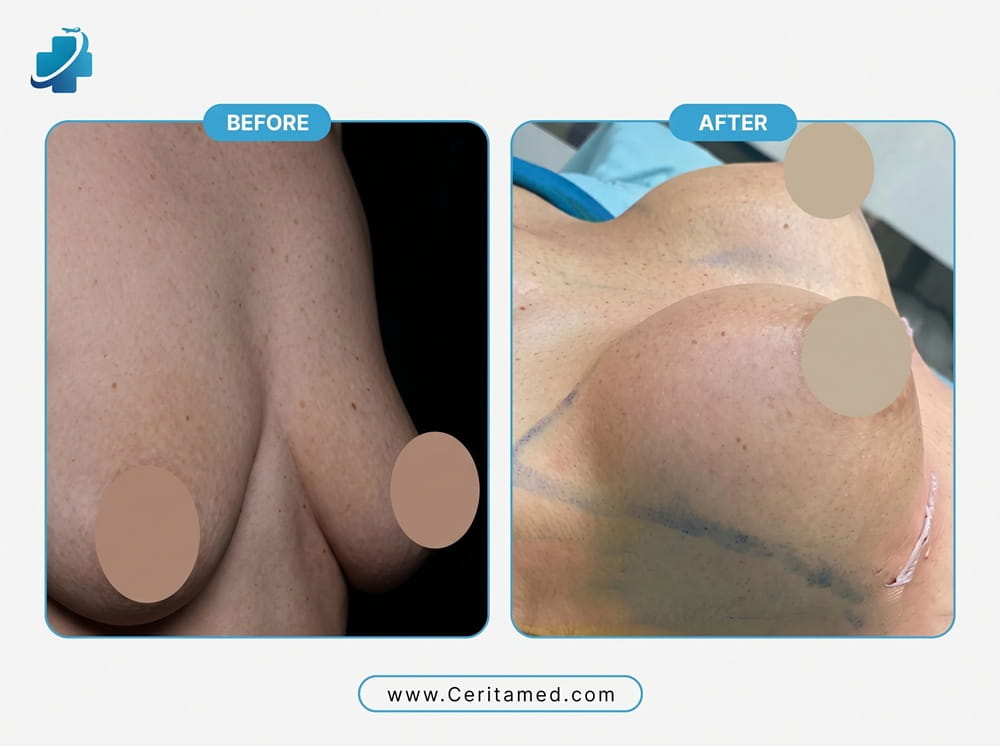
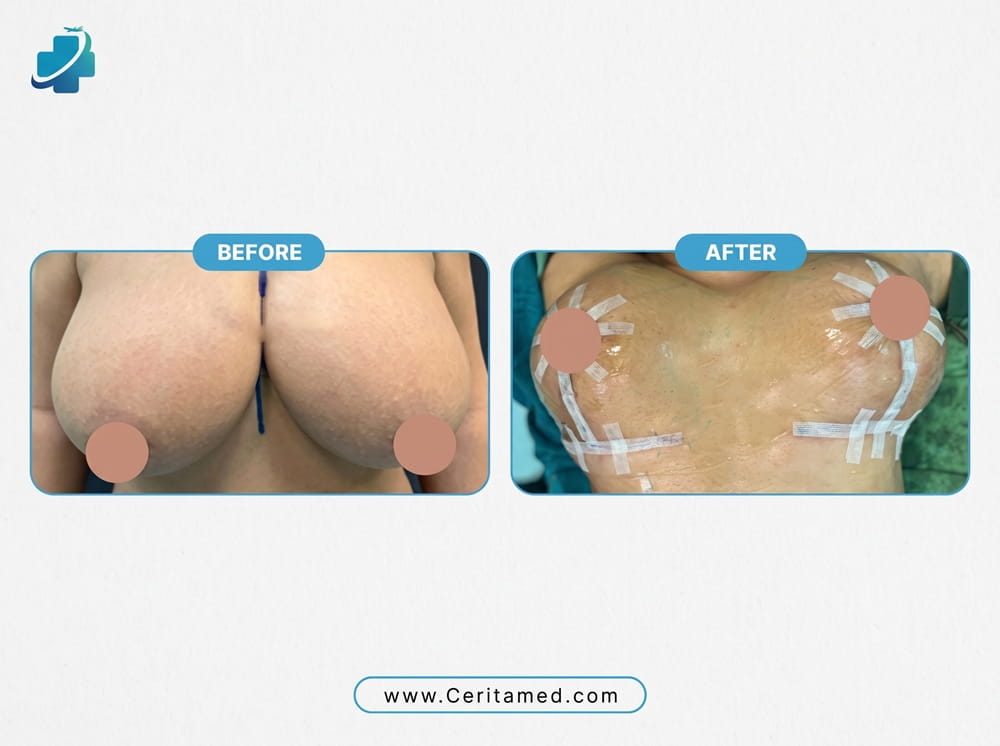
What Is Breast Reduction Surgery — and Why Is It Performed?
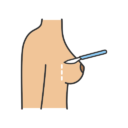
Reduction mammoplasty removes excess fat, glandular tissue, and skin from overly large or heavy breasts — while reshaping the breast and repositioning the nipple naturally. The surgical approach varies per patient based on breast composition, which is determined through clinical examination, not appearance alone.
Breast Reduction and Daily Comfort
Reducing breast size directly improves quality of life — easier movement and exercise, more comfortable clothing, and reduced skin irritation beneath the breast fold.
Breast Reduction for Back Pain & Posture
Large breasts can cause chronic pain in the back, neck, and shoulders, postural imbalance, and persistent spinal pressure. In many cases, breast reduction is as much a medical intervention as a cosmetic one.
The Right Age for Breast Reduction
Surgery is generally recommended after breast development is complete and weight has stabilized. Appropriate timing is determined through individual medical assessment.
Male Breast Reduction — Gynecomastia Treatment in Iran
Gynecomastia — enlarged breast tissue in men — results from hormonal imbalance, excess weight, certain medications, or genetics. Moderate to advanced cases typically benefit most from surgical correction for a lasting, defined result. The underlying cause (fatty, glandular, or mixed) is identified through examination and determines the appropriate surgical approach.
Breast Reduction Techniques
Surgical Incision Options
Periareolar Incision
For minor reductions with minimal scarring. Best when ptosis is absent or very mild.
Vertical Incision (Lollipop)
Modern and widely used — superior reshaping and lift with a favorable scar profile.
Inverted-T Incision (Anchor)
For significantly large or severely ptotic breasts — allows the most dramatic reduction and reshaping.
How Is the Right Technique Chosen?
Technique selection is a clinical decision based on examination. For example, moderate volume with mild ptosis may suit the vertical approach; very heavy, deeply ptotic breasts typically require the Inverted-T for a stable result. The final plan is made after clinical evaluation.
Breast Reduction Combined with Lift
In most cases, reduction and lift are performed together — achieving size reduction, skin tightening, and natural nipple repositioning in a single procedure.
Liposuction-Only Reduction — When It Works and When It Doesn't
Liposuction alone is appropriate only when skin elasticity is good and there is no ptosis. When skin laxity is present, reducing volume without addressing the skin envelope can worsen drooping and create asymmetry.
At Ceritamed, breast reduction surgery is performed by a highly experienced team of board-certified plastic and reconstructive surgeons with extensive expertise in breast surgery. Our specialists focus on achieving balanced, natural-looking proportions while prioritizing patient safety, comfort, and individualized surgical planning.
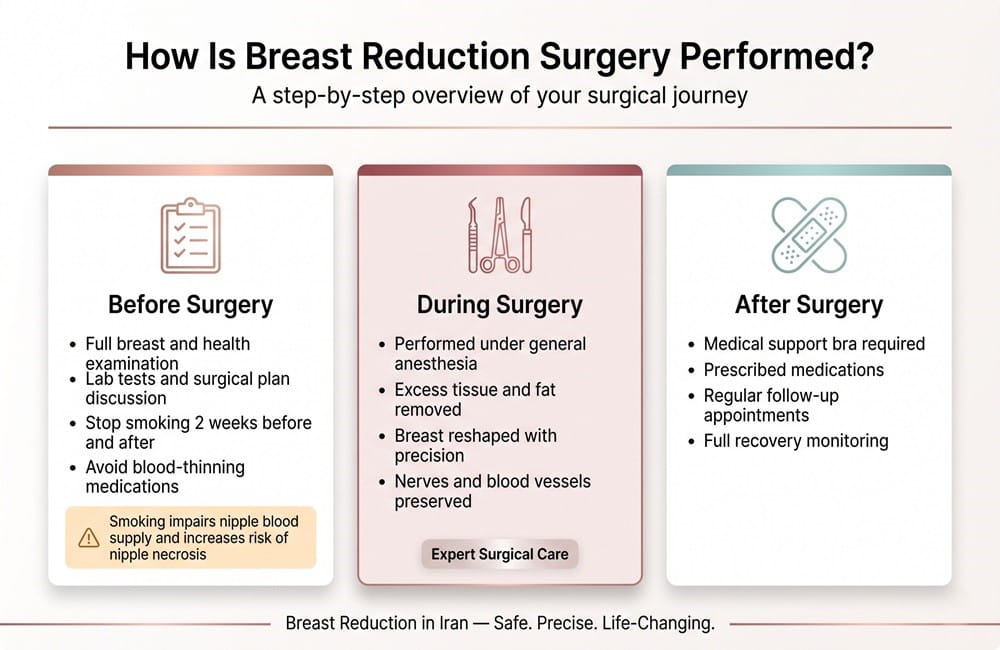
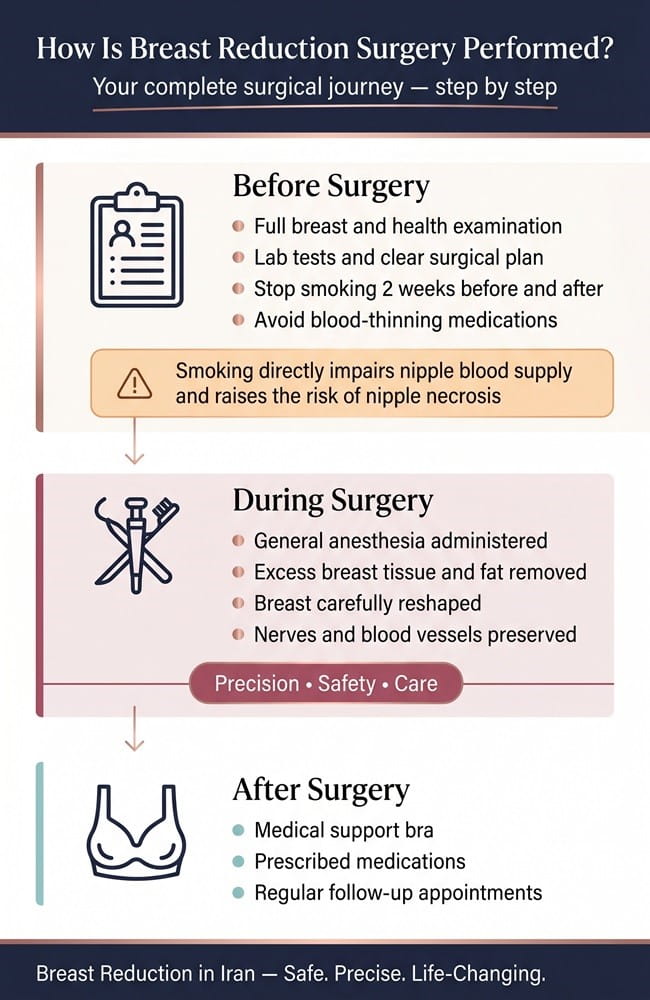
How Is the Surgery Performed?
Before surgery: Full breast and health examination, lab tests, and a clear explanation of the surgical plan. Smoking and blood-thinning medications must be stopped two weeks before and two weeks after surgery — smoking directly impairs nipple blood supply and increases the risk of nipple necrosis.
During surgery: Performed under general anesthesia. Excess tissue and fat are removed, the breast is reshaped, and nerves and blood vessels are preserved to the greatest extent possible.
After surgery: Medical support bra, prescribed medication, and regular follow-up appointments.
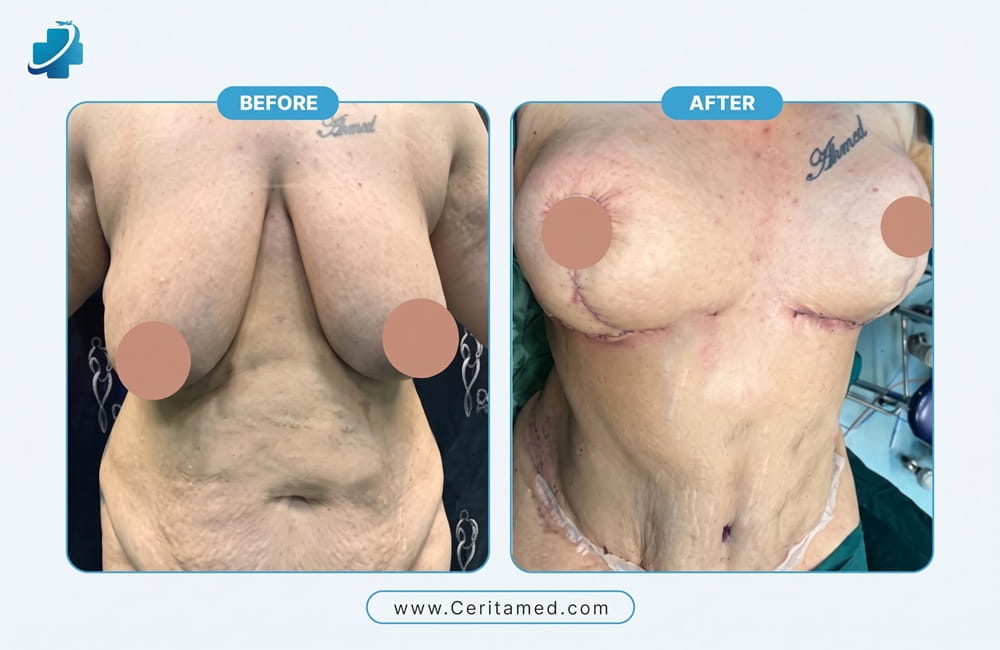
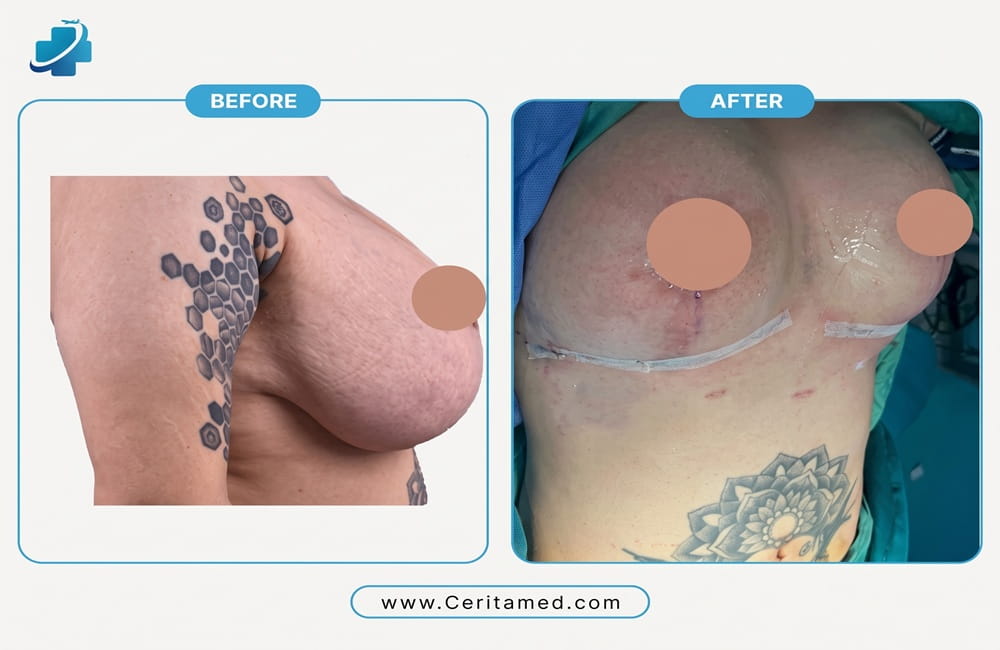
Breast Implant Before and After Results
Most patients experience a lighter, more proportionate breast with natural contour and clear improvement in comfort. Alignment improvement is typically visible within weeks; full results develop gradually.
Recovery timeline:
- Days 1–3: Normal pain and tightness; assistance needed for movement
- Week 1: Surgeon review, wound check, drain removal if applicable
- Weeks 2–4: Medical garment mandatory; no heavy lifting
- Month 2+: Gradual return to exercise; scar management as directed
Results are long-term with weight stability. Significant weight gain or pregnancy may affect outcomes over time.
Breast reduction is safe when performed by a qualified surgeon following correct pre-operative assessment. Uncommon complications include temporary swelling, mild pain, and transient changes in nipple sensation. Nipple and areola are preserved on a vascular pedicle in most procedures, reducing necrosis risk.
Scar Management Protocol
We follow a defined protocol: silicone sheets post-closure, regular healing assessment, and fractional CO₂ laser from month three where appropriate — improving scar appearance by up to 70–80% over time.
Breastfeeding & Nipple Sensation
Pedicle-based techniques are used to preserve nipple sensation and future breastfeeding capacity where possible. Outcomes depend on reduction volume and individual anatomy and cannot be guaranteed at 100%.
Cost of Breast Reduction in Iran
Country | Approximate Cost (USD) |
United States | $8,000 – $15,000 |
United Kingdom | $6,000 – $10,000 |
UAE | $5,000 – $8,000 |
Turkey | $3,000 – $5,000 |
Iran (Ceritamed) | $2,500 – $4,500 |
Cost varies based on breast volume, technique, procedure duration, and surgeon credentials.
Personalized Care for Every Patient
At Ceritamed, every patient receives a treatment plan designed specifically for their case — with full transparency on options, expectations, and cost from the start.
Service | Details |
Arabic-speaking interpreter | Present throughout consultations and surgery |
Airport transfer | Arrival and departure coordination |
Hotel arrangement | Options to suit different budgets |
SIM card + free internet | Connectivity from day one |
Visa assistance | Support for medical visa when required |
Conclusion
Breast reduction surgery in Iran can relieve chronic pain, improve body balance, and restore confidence with a more natural breast shape. At Ceritamed, we combine experienced surgeons, modern techniques, personalized treatment plans, and comprehensive patient support to deliver safe results with long-term comfort and natural-looking outcomes.





 Plastic Surgery Specialist
 Plastic Surgery Specialist
 Plastic Surgery Specialist
 Aesthetic Surgery Specialist
 Aesthetic Surgery Specialist
 Plastic Surgery Specialist