

visibility
Femto LASIK, PRK/LASEK & SMILE
Vision Correction Surgery in Iran
Femto LASIK, PRK/LASEK & SMILE for Vision Correction
Vision correction surgery in Iran can reduce dependence on glasses or contact lenses by correcting common refractive errors. At CeritaMed, patients are evaluated for Femto LASIK, PRK/LASEK, or SMILE according to their prescription, corneal condition, eye health, and individual needs.
For patients searching for LASIK in Iran, CeritaMed performs Femto LASIK, where the corneal flap is created with a femtosecond laser rather than a mechanical blade.
What Is Vision Correction Surgery?
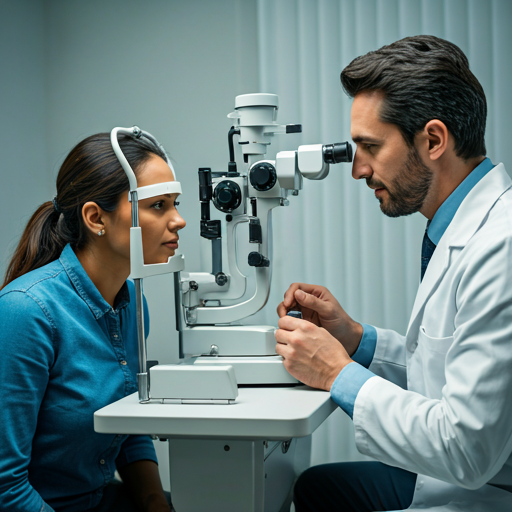
Vision correction surgery, also known as refractive surgery, includes procedures that reshape the cornea so light can focus more accurately on the retina.
At CeritaMed, refractive surgery in Iran is offered through Femto LASIK, PRK/LASEK, and SMILE. The appropriate procedure is selected after a comprehensive eye examination rather than using the same technique for every patient.
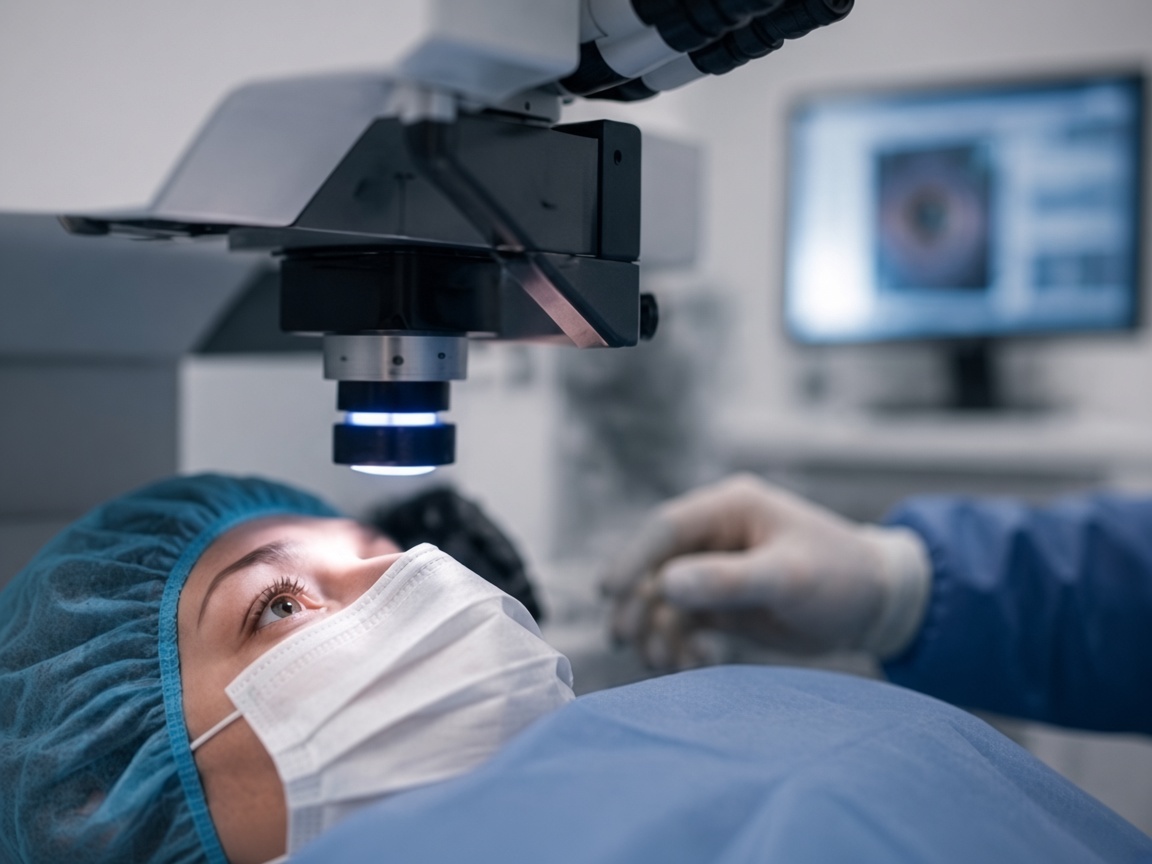
What Vision Problems Can Laser Eye Surgery Correct?
Laser vision correction can treat common refractive errors, including:
Hyperopia (farsightedness)
Astigmatism
The suitable procedure depends on the type and degree of refractive error, corneal measurements, eye health, age, and individual visual needs.
Types of Laser Vision Correction Procedures
CeritaMed offers three main approaches to laser eye surgery in Iran: Femto LASIK, PRK/LASEK, and SMILE.
Femto LASIK
For patients considering LASIK surgery in Iran, CeritaMed performs Femto LASIK (FemtoLASIK) rather than conventional blade-assisted LASIK.
A femtosecond laser creates the corneal flap, and an excimer laser then reshapes the underlying corneal tissue to correct the refractive error. Early visual recovery is generally relatively fast in suitable patients.
PRK and LASEK
PRK surgery in Iran is a surface-based approach that does not require creating a corneal flap. The surface epithelial layer is removed before an excimer laser reshapes the underlying cornea.
LASEK uses a related surface-based technique with differences in how the epithelial layer is managed. Recovery is generally slower than after Femto LASIK because the corneal surface needs time to heal.
SMILE Eye Surgery
SMILE eye surgery in Iran reshapes the cornea by creating and removing a small lenticule of corneal tissue through a small incision.
Unlike LASIK-based procedures, SMILE does not require a large corneal flap. Suitability depends on the refractive error, corneal characteristics, and clinical examination.
Comparing Femto LASIK, PRK/LASEK and SMILE
| Femto LASIK | PRK / LASEK | SMILE | |
|---|---|---|---|
| Approach | Corneal flap + laser reshaping | Surface-based laser reshaping | Small-incision lenticule removal |
| Corneal flap | Yes | No | No large flap |
| Early recovery | Usually relatively fast | Generally slower | Usually relatively fast |
| Treatment planning | Based on corneal and refractive evaluation | Based on corneal and refractive evaluation | Based on refractive error and corneal suitability |
Which Vision Correction Procedure Is Right for You?
There is no single procedure that is suitable for everyone. The choice between Femto LASIK, PRK/LASEK, and SMILE depends on factors such as refractive error, corneal thickness and shape, ocular surface health, lifestyle, and the findings of the pre-operative examination.
For a more detailed comparison, see our LASIK, Femto LASIK and SMILE comparison guide.
Laser Eye Surgery Cost in Iran
The cost of laser eye surgery in Iran depends on the selected procedure and surgeon. CeritaMed offers packages for Femto LASIK, PRK/LASEK, and SMILE, with treatment for both eyes.
For patients searching for LASIK cost in Iran, the LASIK-based procedure offered at CeritaMed is Femto LASIK.
Femto LASIK Cost in Iran
Femto LASIK packages range from $1,300 to $1,700, depending on the selected surgeon category.
The package price covers treatment for both eyes.
PRK / LASEK Cost in Iran
PRK/LASEK packages range from $800 to $1,200, depending on the selected surgeon category.
The package price covers treatment for both eyes.
SMILE Eye Surgery Cost in Iran
SMILE packages range from $1,500 to $1,900, depending on the selected surgeon category.
The package price covers treatment for both eyes.
Vision Correction Packages
FemtoLASIK
Specialist ophthalmologist
$1,300 USD
Expert eye surgeon
$1,700 USD
- FemtoLASIK surgery for both eyes
- Specialist pre-operative consultation
- Corneal exam and imaging
- Required tests
- Initial post-operative medication
- Two nights hotel stay
- Airport pickup
- Interpreter throughout treatment
- Surgery and follow-up coordination
- Initial post-operative visit
PRK / LASEK
Specialist ophthalmologist
$600 USD
Expert eye surgeon
$1,200 USD
- PRK / LASEK surgery for both eyes
- Specialist pre-operative consultation
- Full corneal exam and required tests
- Initial post-operative medication
- Two nights hotel stay
- Airport pickup
- Interpreter throughout treatment
- Surgery and follow-up coordination
- Initial post-operative visit
SMILE
Specialist ophthalmologist
$1,500 USD
Expert eye surgeon
$1,900 USD
- SMILE surgery for both eyes
- Specialist pre-operative consultation
- Full corneal exam and required tests
- Initial post-operative medication
- Two nights hotel stay
- Airport pickup
- Interpreter throughout treatment
- Surgery and follow-up coordination
- Initial post-operative visit
Packages include:
- check_circleSurgery for both eyes
- check_circleSpecialist examination before surgery
- check_circleRequired eye tests and corneal imaging
- check_circleInitial postoperative medications
- check_circle2 nights of hotel accommodation
- check_circleAirport pickup
- check_circleInterpreter support during treatment
- check_circleSurgery and follow-up coordination
- check_circleInitial postoperative examination
The package includes 2 nights of hotel accommodation. A total stay of 3–5 days in Iran is generally recommended for treatment and initial follow-up. Additional hotel nights, if needed, are arranged separately.
Who Is a Candidate for Vision Correction Surgery?
Candidates for Femto LASIK, PRK/LASEK, or SMILE generally need a stable vision prescription, suitable corneal measurements, and healthy eyes.
Important factors include:
- Stable refractive error
- Suitable corneal thickness and shape
- Healthy ocular surface and manageable dry eye
- No active corneal or significant uncontrolled eye disease
- A prescription within the suitable range for the selected procedure
- Realistic expectations about the result
Suitability can only be confirmed after a comprehensive eye examination and corneal assessment. Stable refraction, corneal thickness, dry-eye status and other ocular or medical conditions are established considerations in refractive-surgery screening.
Risks and Important Considerations
Vision correction surgery has an established clinical role, but no refractive procedure is completely risk-free.
Temporary dry eye, glare, halos, light sensitivity, or fluctuations in vision may occur during recovery. Some patients may also have residual refractive error and continue to need glasses, contact lenses, or additional correction.
Less common but more serious complications can occur, which is why careful pre-operative screening, appropriate procedure selection, and postoperative follow-up are important.
Recovery and Results After Vision Correction Surgery
Recovery varies by procedure.
Femto LASIK and SMILE generally have relatively fast early visual recovery, although temporary dryness, light sensitivity, glare, or fluctuations in vision can occur.
PRK and LASEK usually require a slower initial recovery because the corneal surface must heal. Discomfort and blurred vision can be more noticeable during the first few days, with vision improving progressively afterward.
Follow-up examinations are important after all refractive procedures to monitor healing and visual stability.
How Long Should You Stay in Iran?
International patients should generally plan a 3–5 day stay in Iran.
This allows time for the pre-operative examination, required imaging, surgery, and initial postoperative follow-up before returning home.
Why Choose Iran for Vision Correction Surgery?
Iran offers international patients access to experienced ophthalmologists and established refractive surgery services within a relatively short treatment stay.
For Femto LASIK, PRK/LASEK, and SMILE, the main treatment process and initial follow-up can usually be completed during a 3–5 day visit.
Vision Correction Specialists at CeritaMed
Vision correction procedures at CeritaMed are performed by ophthalmologists experienced in refractive and laser eye surgery.
Patients can review each surgeon’s specialties, experience, and credentials through the profiles below.
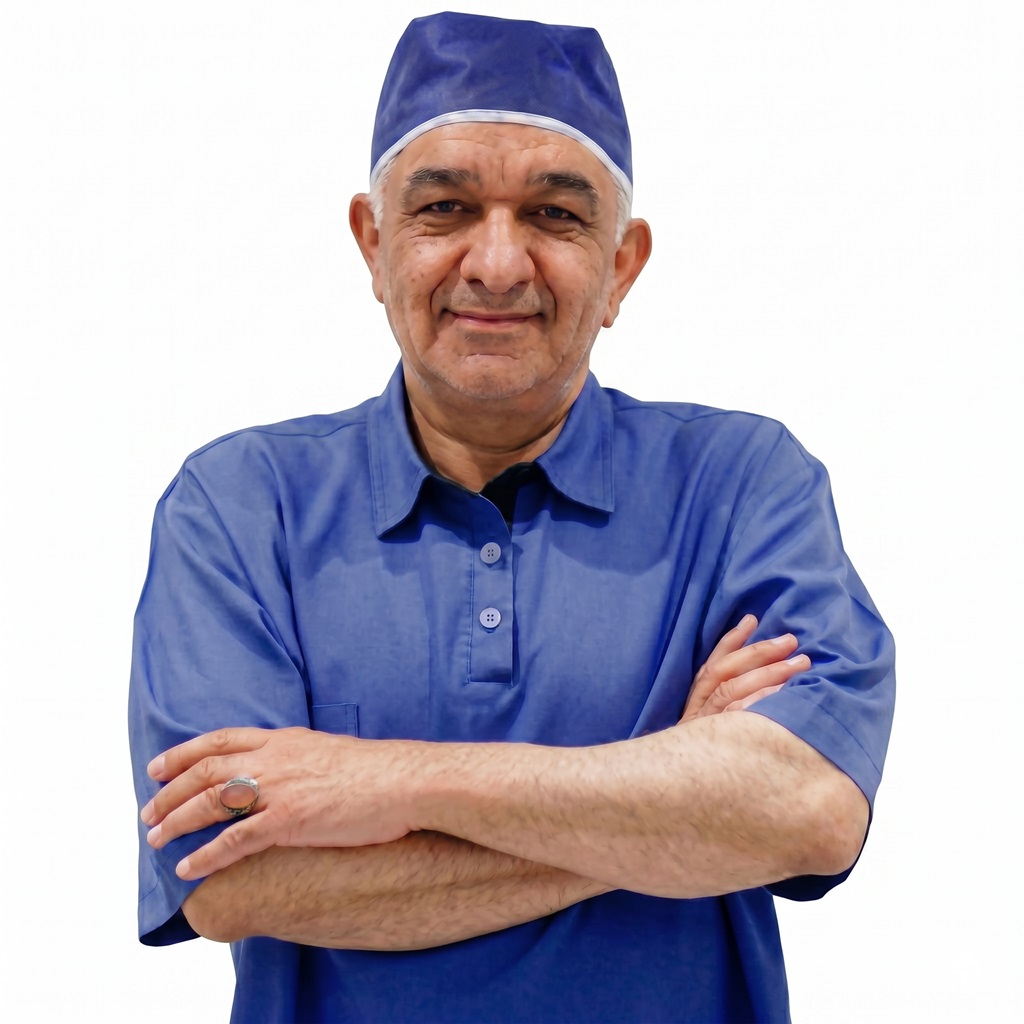
Cornea Specialist
Prof. Mahmoud Jabarvand
Cornea & Refractive Surgeon
Professor of Ophthalmology
+40
Years Experience
+10K
Surgeries
Former President
Iranian Society of Ophthalmology
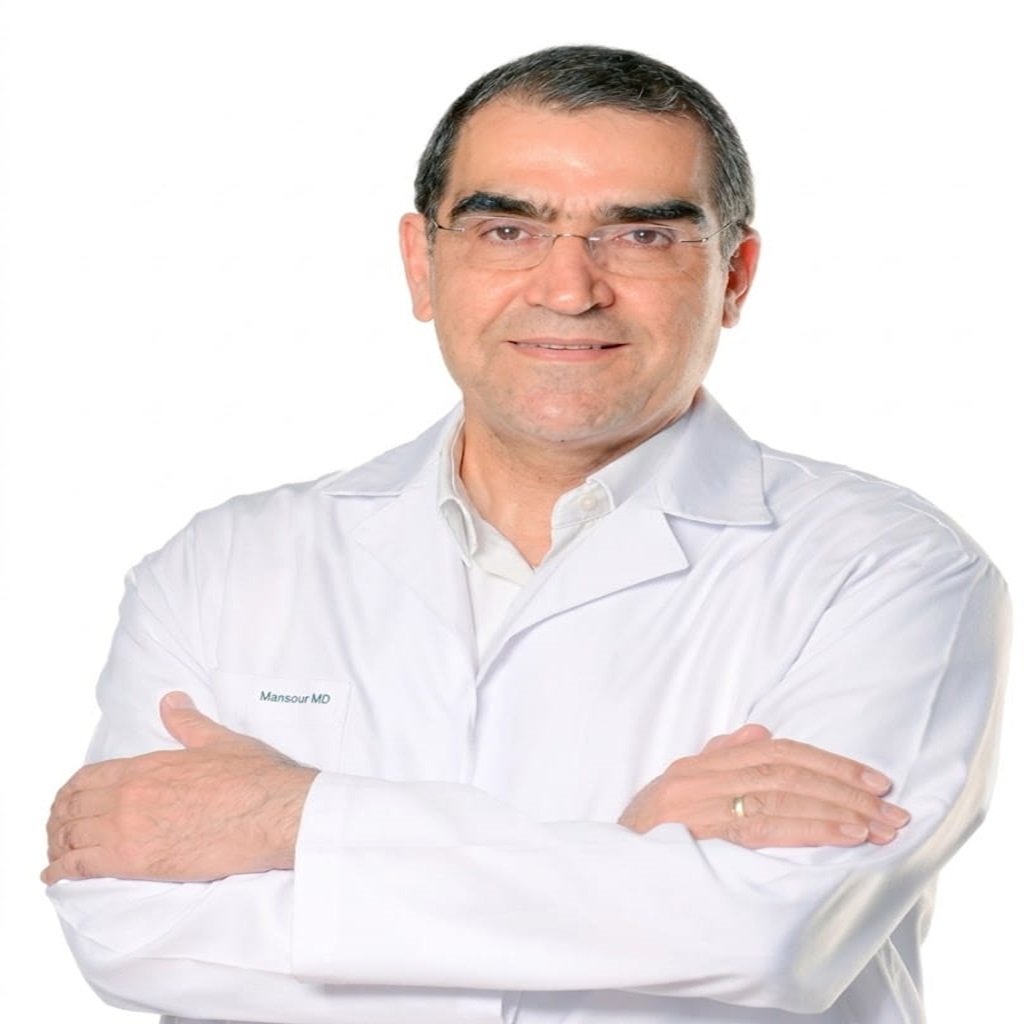
Cornea & Refractive Specialist
Dr. Seyed Hassan Hashemi
Cornea & Refractive Surgeon
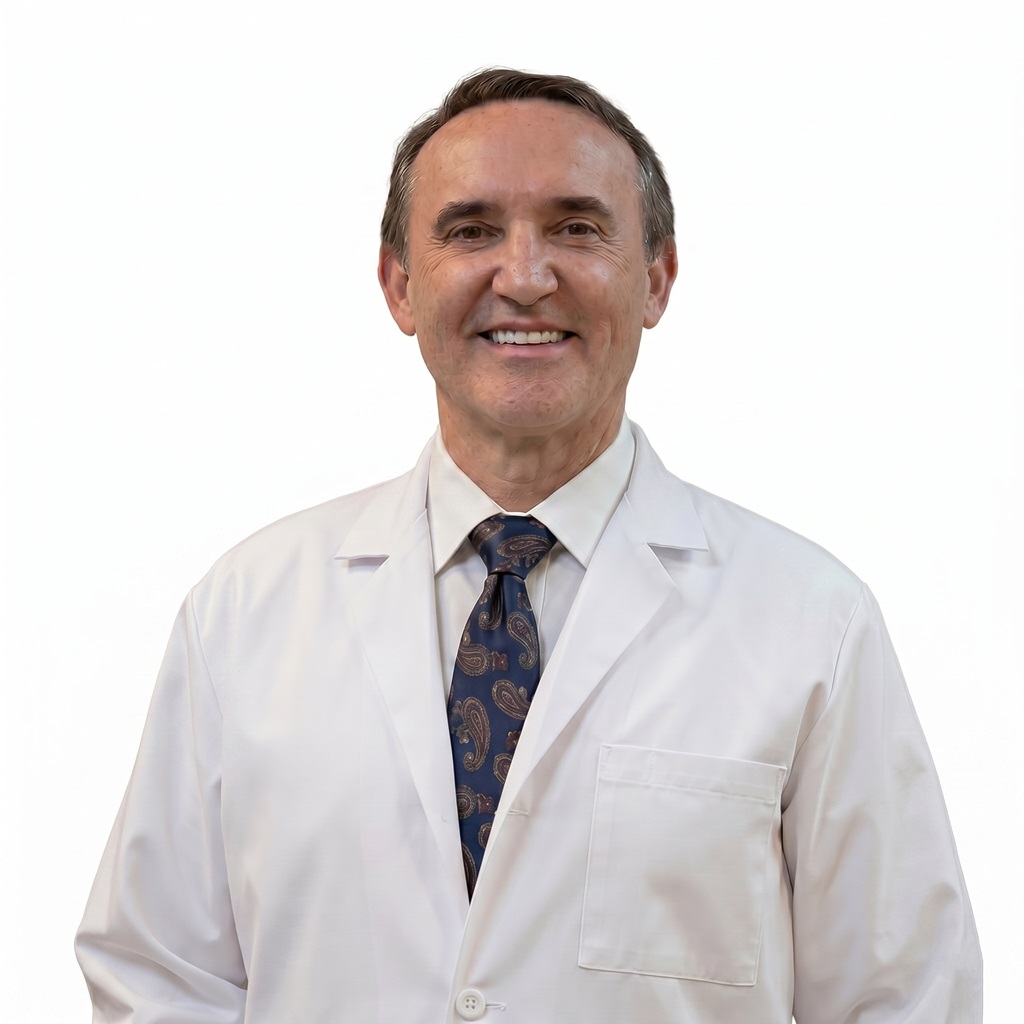
Cornea Specialist
Dr. Farshid Porkar
Cornea & Refractive Surgeon
Why Choose CeritaMed for Vision Correction Surgery?
CeritaMed coordinates the treatment journey for international patients seeking vision correction surgery in Iran, from medical evaluation and surgeon selection to surgery, follow-up, and travel arrangements.
Support can include appointment coordination, pre-operative testing, hotel accommodation, airport transfer, interpreter assistance, and postoperative follow-up.
Patients can be evaluated for Femto LASIK, PRK/LASEK, or SMILE, so treatment planning is based on individual eye findings rather than a single available technique.
Considering Vision Correction Surgery in Iran?
If you are considering Femto LASIK, PRK/LASEK, or SMILE, the first step is to determine which procedure is appropriate for your eyes.
Contact CeritaMed to arrange your specialist evaluation, recommended treatment, package details, and travel coordination in Iran.
chat Contact Us on WhatsAppFrequently Asked Questions About Vision Correction Surgery
Is LASIK eye surgery permanent?
Femto LASIK permanently reshapes the cornea to correct refractive error. However, natural changes in the eyes can still occur over time, including age-related presbyopia.
How long does recovery take after laser eye surgery?
Recovery depends on the procedure. Early visual recovery is usually relatively fast after Femto LASIK and SMILE, while PRK/LASEK generally requires a longer initial healing period.
Is laser eye surgery painful?
Numbing eye drops are used during the procedure, so significant pain during treatment is not expected. Temporary discomfort, dryness, irritation, or light sensitivity may occur afterward, particularly after surface procedures such as PRK/LASEK.
Who may not be suitable for vision correction surgery?
Patients with unstable prescriptions, unsuitable corneal measurements, significant dry eye, active eye disease, or other conditions that may interfere with healing may not be suitable candidates.
Eligibility is confirmed after a comprehensive eye examination.
What is the difference between Femto LASIK, PRK/LASEK and SMILE?
Femto LASIK uses a laser-created corneal flap, PRK/LASEK are surface-based procedures, and SMILE removes a small lenticule through a small incision.
The most appropriate technique depends on the patient’s prescription, corneal findings, eye health, and individual needs.
How long does vision correction surgery take?
The procedure itself is generally short and performed on an outpatient basis. Exact treatment time varies according to the technique and individual treatment plan.
Can both eyes be treated during the same visit?
Yes. Vision correction surgery is commonly planned for both eyes during the same treatment visit when medically appropriate. The final treatment plan is confirmed after examination.