

Open Heart Surgery in Iran
At Ceritamed, open heart surgery — particularly Coronary Artery Bypass Grafting (CABG) — is performed within a fully integrated medical system that prioritizes safety, surgical precision, and comprehensive care for both the patient and their companions, from arrival through full recovery.
- Advanced open heart (CABG) techniques
- Expert cardiac surgeons
- Structured recovery and follow-up care
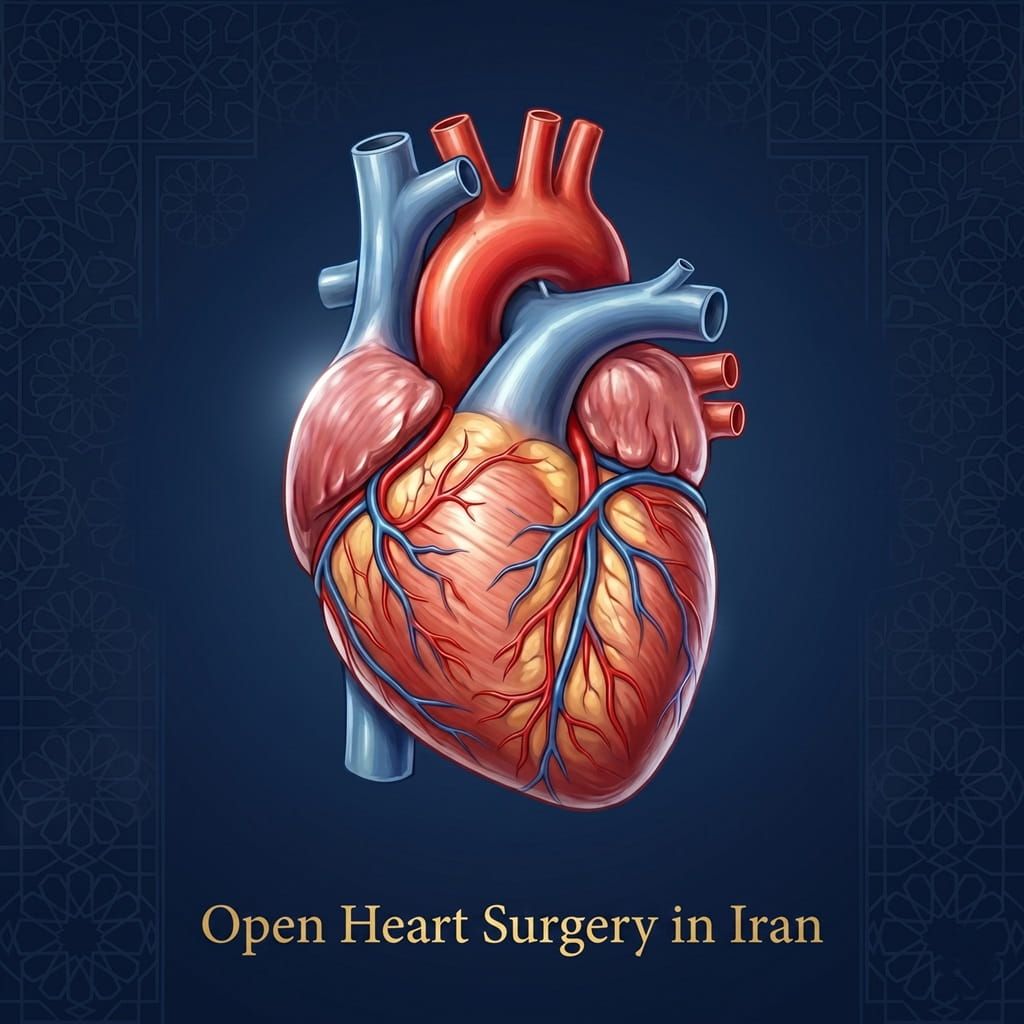


What Is Open Heart Surgery?
Open heart surgery is a procedure in which the chest is opened to access the heart directly, treating serious conditions that affect blood flow or cardiac function. The most common reason is narrowing or blockage of the coronary arteries, which can cause chest pain (angina) or significantly raise the risk of a heart attack.
Surgery is typically recommended when:
- Arterial blockage is severe and does not respond to medication or angioplasty
- Chest pain recurs despite ongoing treatment
- Cardiac function is measurably weakened
- There is a genuine risk to the patient’s life
Types of Open Heart Surgery
Coronary Artery Bypass Grafting (CABG)
The most common form of open heart surgery and the primary procedure we perform for international patients. The surgeon creates an alternative blood flow route around the blocked artery using a healthy vessel from the chest wall or leg. CABG is the preferred option for multi-vessel blockage, diabetic patients with arterial disease, and cases where stenting has failed or is not feasible.
Off-Pump Surgery (Beating Heart)
In selected cases, CABG can be performed without stopping the heart, reducing the risk of stroke and kidney complications with faster recovery for eligible patients. This technique requires high surgical expertise and is offered at Ceritamed where clinically indicated.
Valve Repair or Replacement / Pediatric Cardiac Surgery
Also classified as open heart surgery, these procedures are evaluated and planned individually based on each patient’s condition.
Open Heart Surgery in Elderly Patients
Age alone is not a contraindication. The decision is based on overall health status, cardiac and pulmonary reserve, and the expected benefit relative to surgical risk.
How Is Open Heart Surgery Performed?
Surgery typically takes 3 to 6 hours depending on complexity and number of vessels treated.
Before surgery: Comprehensive blood work, advanced cardiac imaging, and full cardiac assessment.
During surgery: The sternum is carefully opened; the surgical team performs bypass grafting using on-pump or off-pump technique based on the patient’s anatomy; the chest is closed with care.
Immediately after: The patient is transferred to the Cardiac ICU for continuous monitoring of heart rhythm, breathing, and pain management.
Recovery and Life After Surgery
Timeline:
- Week 1: Rest and close monitoring — the most critical period
- Weeks 2–4: Gradual improvement; light movement encouraged
- Weeks 6–8: Progressive return to normal daily activities
Walking begins within the first days in hospital and is actively encouraged as part of recovery. Pain is expected but effectively controlled with prescribed medication and diminishes steadily.
Temporary mood changes or mild depression following CABG are well-documented and normal — not a sign of complications. They resolve with time, family support, and follow-up care. Patients are informed about this before surgery.
Post-operative care includes:
- Personalized dietary guidance (reduced fat and sodium; increased vegetables and lean protein)
- Wound care and medication adherence
- Regular follow-up — coordinated by Ceritamed for international patients before departure
With commitment to post-operative guidance, the majority of patients return to active lives — reporting relief from chest pain, improved breathing, and better daily function.
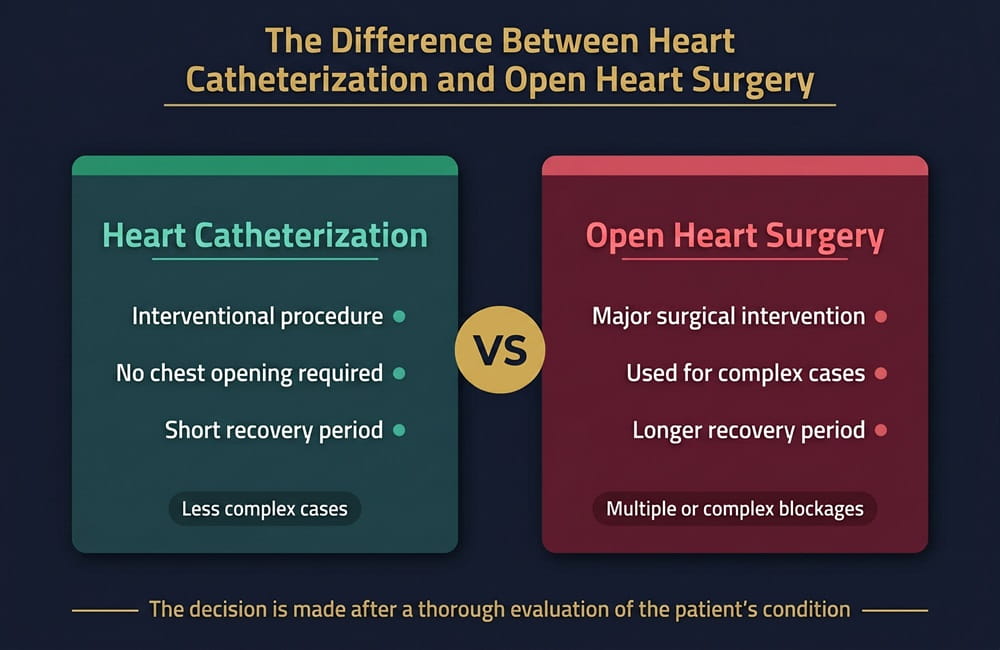
Safety, Risks, and Success Rate
Open heart surgery is a well-established procedure with consistently high success rates when performed by an experienced team following thorough pre-operative evaluation.
Possible risks include: bleeding, infection, temporary cardiac rhythm disturbances, and stroke risk (reduced significantly with off-pump technique in eligible patients). Serious complications are uncommon when modern protocols are followed.
How we minimize risk:
- Rigorous pre-operative patient selection
- High-volume surgical team with deep CABG experience
- Advanced intraoperative monitoring
- Structured cardiac ICU post-operative care
Iran performs over 500,000 cardiac surgeries annually — among the highest volumes in the Middle East — creating the kind of institutional expertise that directly translates into better patient outcomes.
Open Heart Surgery Cost in Iran
| Destination | Approximate Cost (CABG) |
| United States | $70,000 – $150,000+ |
| Western Europe | $25,000 – $50,000+ |
| Turkey | $10,000 – $25,000 |
| India | $7,000 – $18,000 |
| Iran (Ceritamed) | $3,000 – $8,000 |
Final cost depends on: number of vessels bypassed, on-pump vs. off-pump technique, ICU and ward stay duration, and pre-operative investigations.
Our Cardiac Surgery Team
- Prof. Dr. Mohammad Hossein Mandegar
Cardiovascular Surgeon — Founder of Iran’s First Heart Transplant Program Professor Mandegar performed the first successful heart transplant in Iran in 1993, placing Iran among the top ten countries globally in cardiac transplantation. He trained at the University of London (Guy’s Hospital), the Texas Heart Institute, and leading cardiac centers in Paris, Vienna, and Lausanne. He is a founding member of the Iranian Society of Cardiac Surgeons and a permanent member of both the European Association for Cardio-Thoracic Surgery and the Society of Thoracic Surgeons (USA).
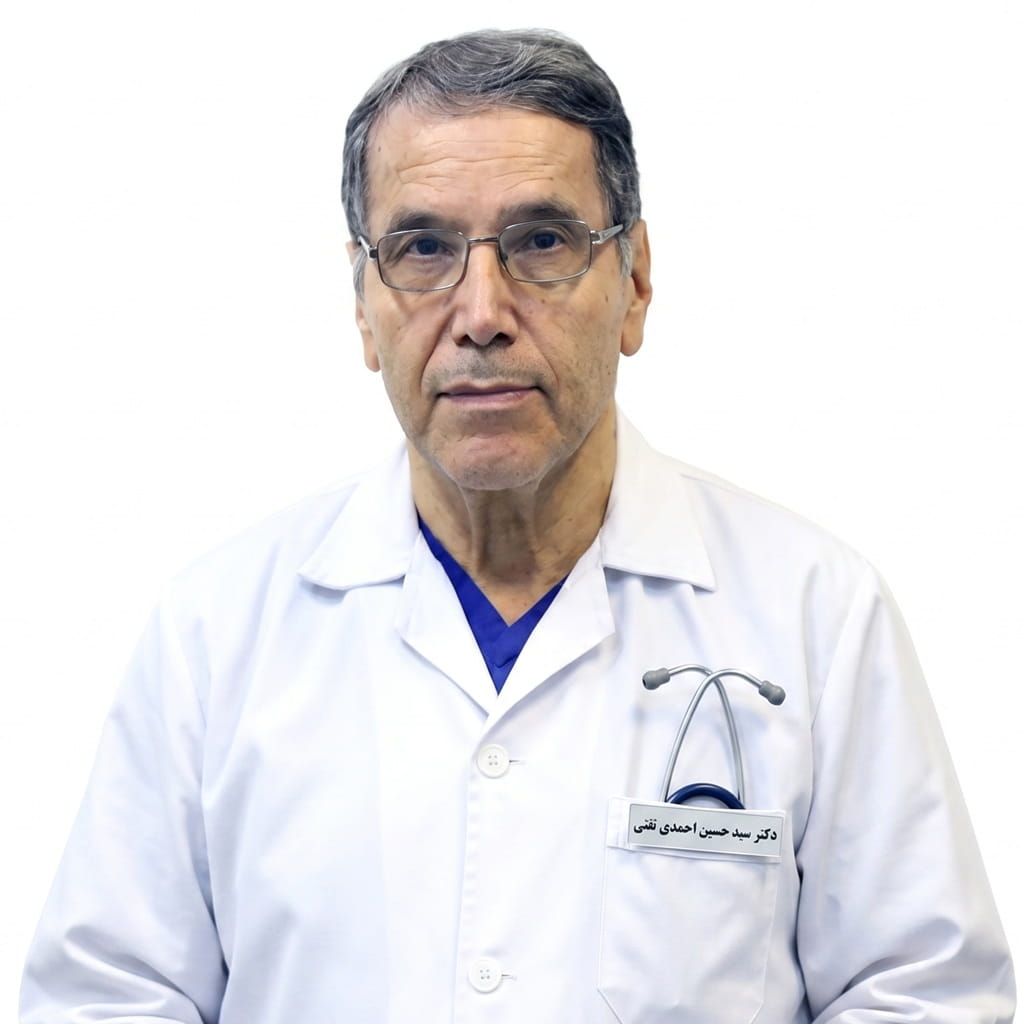
- Dr. Seyed Hossein Ahmadi Tafti
Cardiovascular Surgeon Specialist in cardiac and vascular surgery, contributing thorough pre-operative evaluation and post-operative follow-up within Ceritamed’s integrated care model.
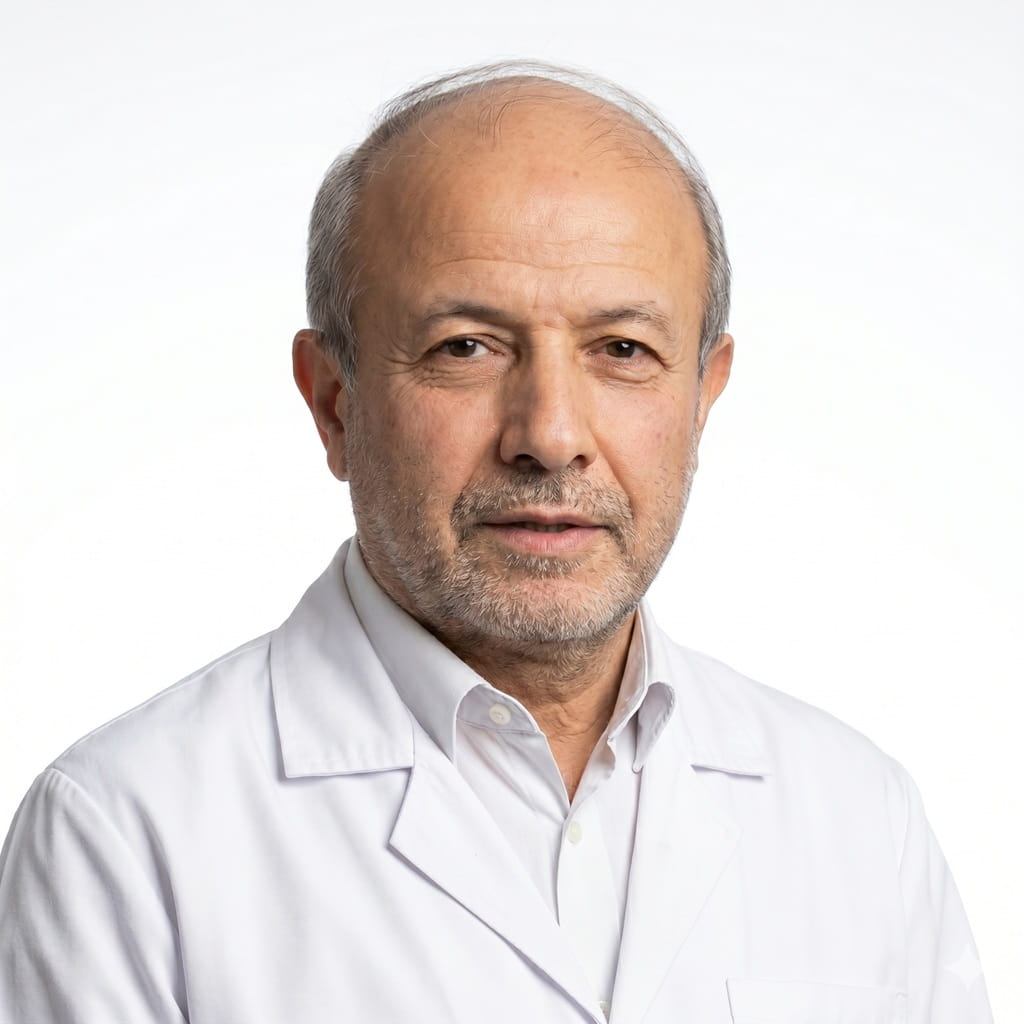
- Dr. Ebrahim Nemati Pour
Specialist in Cardiology and Vascular Medicine Responsible for pre-operative cardiac assessment and post-operative medical management, ensuring every surgical candidate receives a comprehensive cardiology evaluation before any intervention.
Why Choose Ceritamed?
Ceritamed coordinates every aspect of the patient journey — from first consultation through discharge and follow-up — with a care model built specifically for patients traveling from Iraq, the Gulf states, and the wider Arabic-speaking world.
Medical approach:
- Individual treatment plan developed after reviewing each patient’s medical records
- Direct access to experienced cardiac surgeons — no unnecessary intermediaries
- Full pricing transparency before any commitment
Complete support for international patients:
| Service | Details |
| Arabic-speaking interpreter | Present throughout hospital stay |
| Airport transfer | Arrival and departure coordinated |
| Hotel arrangement | For patient companions |
| SIM card + free internet | From day one |
| Visa assistance | Medical visa support when required |
Our goal: the patient focuses on treatment and recovery. We handle everything else.
Local SIM Card
Visa Assistance
Hotel
Medical Interpreter
Airport & City Transportation
Free Internet Access
Conclusion
Open heart surgery in Iran (CABG) is a proven and effective treatment for severe coronary artery disease, offering high success rates and significant improvement in heart function and quality of life.
At Ceritamed, patients receive comprehensive cardiac care from diagnosis to recovery, with experienced surgeons and structured follow-up to ensure safe and predictable outcomes.
Procedure Overview
Anesthesia:General Anesthesia
Success Rate: High Surgical Success with Experienced Cardiac Teams
Stay Duration: 10–14 Days

Frequently Asked Questions About Open heart surgery in Iran
Is open heart surgery safe?
Yes, when performed in an experienced cardiac center following thorough evaluation. Risks exist but are significantly reduced by surgical expertise and careful patient selection.
How long does surgery take?
Between 3 and 6 hours depending on complexity and number of vessels.
When can I start walking?
Within the first few days after surgery, while still in hospital. Walking is actively encouraged as part of recovery.
Will I return to normal life?
Yes. The majority of patients return to active lives after recovery, with significant improvement in symptoms and daily capacity.
Is the procedure different for elderly patients or children?
Yes. Both groups require specific evaluation and tailored planning. Age is not automatically a barrier to surgery for elderly patients.