

Heart Catheterization in Iran
Heart catheterization in Iran is one of the most advanced minimally invasive procedures used to diagnose and treat blocked coronary arteries without open-heart surgery. At Ceritamed, we provide modern cardiac catheterization, coronary angioplasty (PCI), and heart stent placement using advanced technology, experienced interventional cardiologists, and internationally recognized treatment protocols.
Compared with traditional surgery, cardiac catheterization offers faster recovery, less discomfort, shorter hospitalization, and highly effective treatment for coronary artery disease and heart artery blockage.
- Advanced PCI & Heart Stent Procedures
- Expert Interventional Cardiologists
- Minimally Invasive Treatment with Faster Recovery
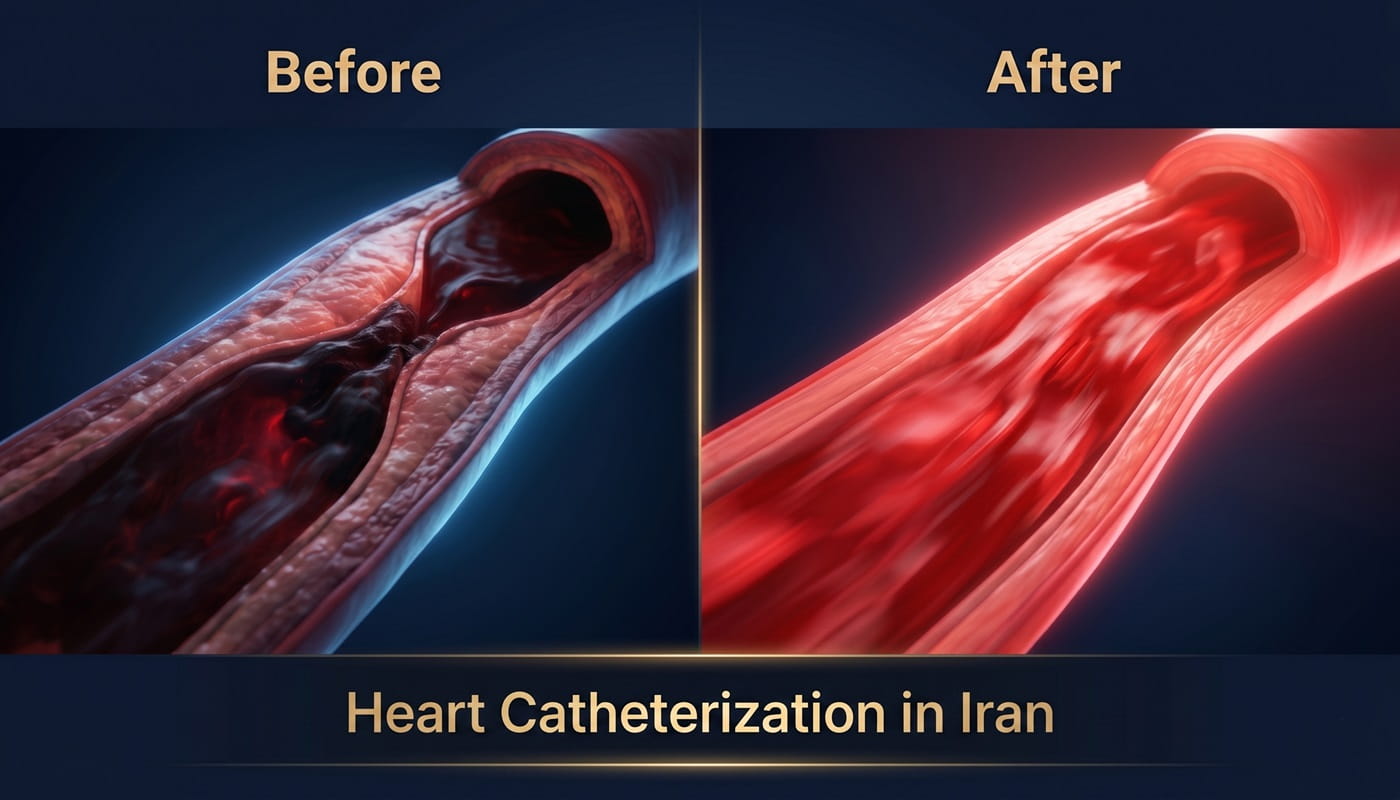
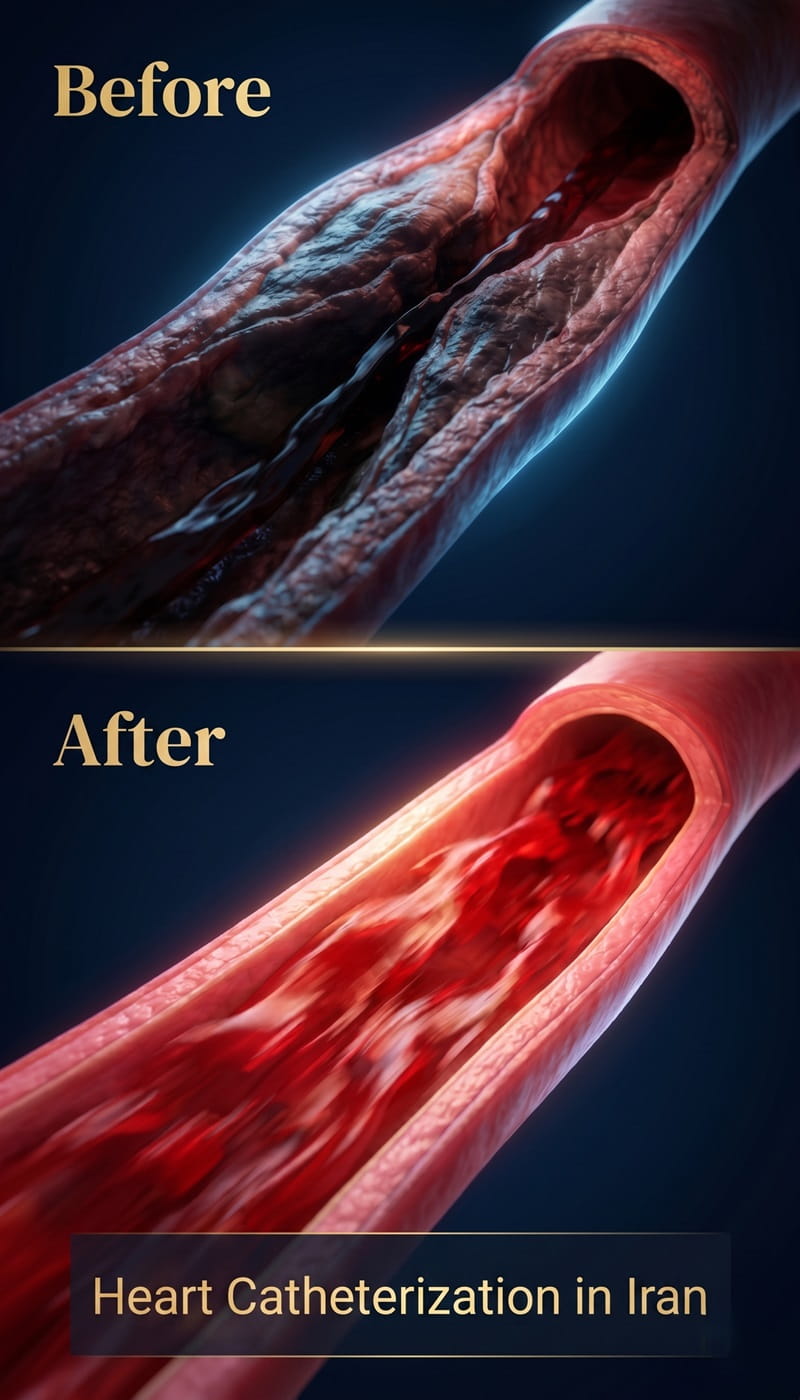
What Is Heart Catheterization?
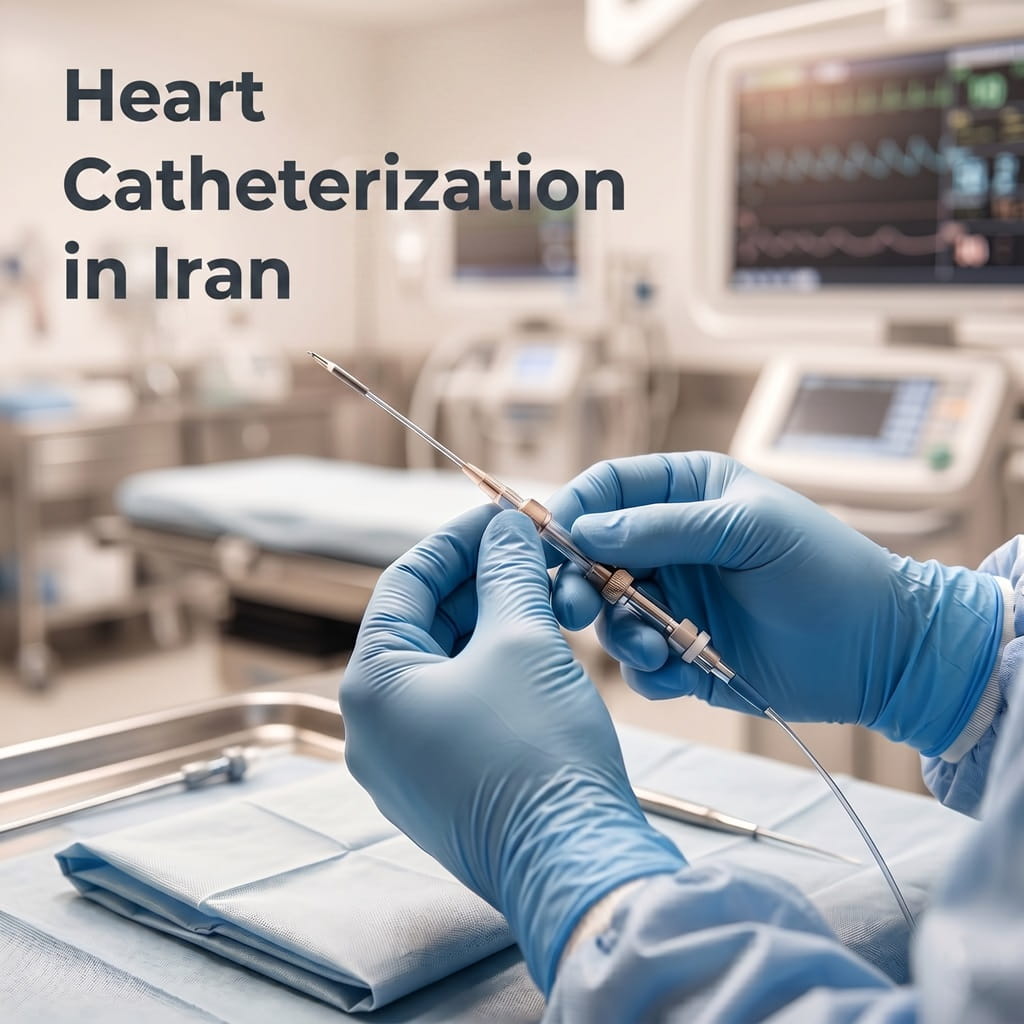
Cardiac catheterization is a minimally invasive heart procedure used to evaluate or treat narrowing and blockage in the coronary arteries. A thin catheter is inserted through the wrist or groin artery and guided to the heart using real-time imaging.
Diagnostic Cardiac Catheterization
Diagnostic catheterization helps identify:
- Coronary artery blockage
- Narrowed heart arteries
- Blood flow problems
- Severity and location of blockage
This procedure is used for diagnosis only and does not include artery treatment.
Coronary Angioplasty & PCI (Interventional Catheterization)
Percutaneous Coronary Intervention (PCI) is performed to restore blood flow by:
- Balloon angioplasty
- Opening blocked coronary arteries
- Heart stent placement
- Treating coronary artery disease
PCI is one of the most common and effective treatments for blocked heart arteries and heart attack patients.
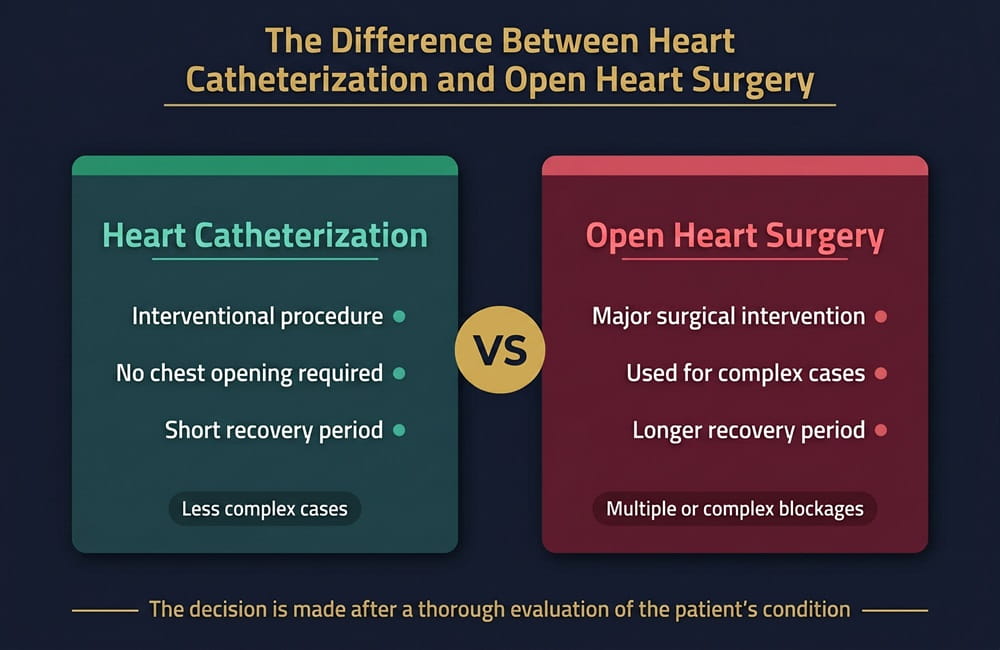
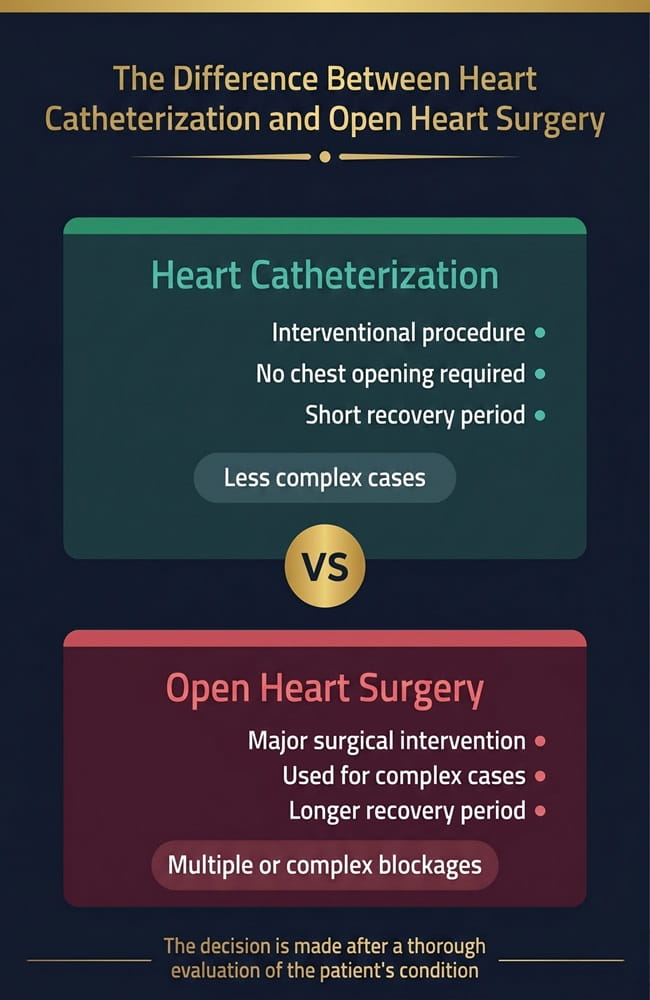
Heart Catheterization vs Open-Heart Surgery
Cardiac catheterization:
- Minimally invasive
- No chest opening
- Faster recovery
- Short hospital stay
Open-heart surgery:
- Major surgical procedure
- Used for complex multi-vessel disease
- Longer recovery period
The most suitable treatment depends on the patient’s condition and coronary anatomy.
When Is Coronary Angioplasty Needed?
Doctors may recommend coronary angioplasty and heart stent placement when artery narrowing reduces blood supply to the heart muscle.
Common Reasons for PCI
- Chest pain (angina)
- Coronary artery blockage
- Reduced physical activity tolerance
- Heart attack treatment
- Severe artery narrowing
Emergency vs Planned Heart Catheterization
Emergency PCI
Performed during acute heart attacks to quickly reopen blocked arteries.
Elective / Planned PCI
Performed after diagnostic testing in stable patients.
How Is Heart Catheterization Performed?
Procedure Duration
- Diagnostic catheterization: 20–40 minutes
- PCI with stent placement: 45–90 minutes
The duration depends on the complexity of the blockage and the number of stents required.
Radial Cardiac Catheterization (Through the Wrist)
Radial access offers:
- Lower bleeding risk
- Faster mobility
- Greater comfort
- Shorter recovery
Femoral Cardiac Catheterization (Through the Groin)
Femoral access may be used for more complex cardiac interventions.
Step-by-Step Heart Stent Placement
- Catheter insertion
- Coronary artery imaging
- Balloon angioplasty
- Coronary stent placement
- Restoring normal blood flow
Types of Coronary Stents
Drug-Eluting Stents (DES)
Modern medicated stents designed to reduce artery re-narrowing.
Bare-Metal Stents (BMS)
Traditional metallic stents used in selected medical cases.
Advanced Coronary Stents
Chosen based on artery anatomy and patient condition.
Recovery After Heart Catheterization
One of the biggest advantages of PCI is the relatively quick recovery.
Walking After PCI
Many patients can walk within hours, especially after wrist catheterization.
Diet After Heart Catheterization
Patients are advised to:
- Reduce salt and saturated fat
- Follow a heart-healthy diet
- Avoid smoking
- Maintain healthy blood pressure and cholesterol
Important Aftercare
Long-term success depends on:
- Taking blood-thinning medications correctly
- Lifestyle modification
- Regular cardiac follow-up
Heart Catheterization Results & Success Rate
Most patients experience:
- Relief from chest pain
- Better exercise tolerance
- Improved blood flow
- Better quality of life
Modern coronary angioplasty and stent procedures have high success rates when performed by experienced interventional cardiologists.
Cardiac catheterization is also considered relatively safe for elderly patients after proper medical evaluation.
Risks and Complications of Cardiac Catheterization
Although heart catheterization is generally safe, possible complications may include:
- Mild bleeding or bruising
- Temporary allergic reaction
- Rare artery complications
- Blood clots
- Irregular heartbeat
Serious complications are uncommon in experienced cardiac centers.
Meet Our Cardiology Specialists
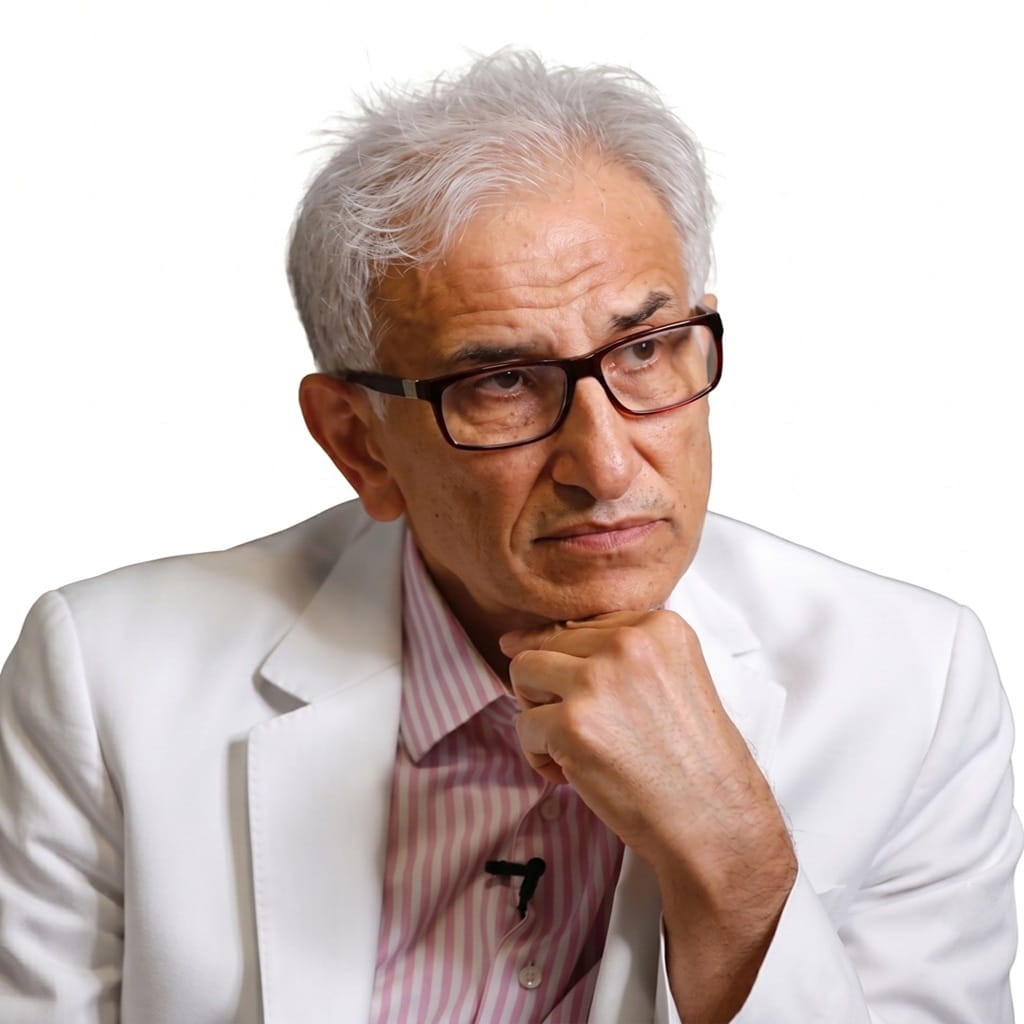
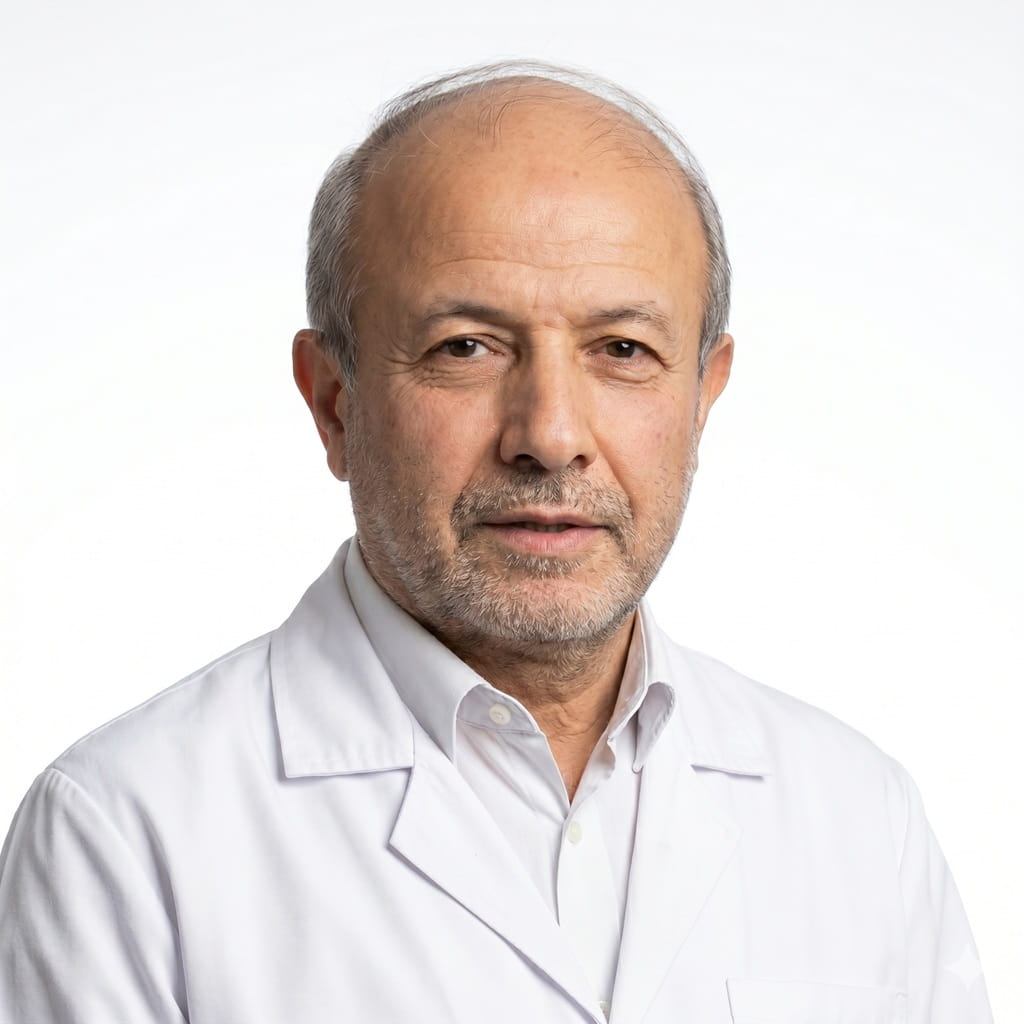
Heart catheterization procedures are performed by experienced cardiovascular specialists, including Professor Mohammad Hossein Mandegar, a pioneer of heart transplantation in Iran, Dr. Hossein Ahmadi Tafti, and Dr. Ebrahim Nematipour. Procedures are carried out in accredited hospitals using advanced catheterization technologies and established cardiac care standards.
Ceritamed coordinates communication between patients and medical teams while managing treatment planning, hospital arrangements, and patient support throughout the treatment journey.

Cost of Heart Catheterization in Iran
The cost depends on:
- Number of stents
- Type of stent
- Hospital category
- Complexity of the procedure
Estimated Cost Comparison
| Country | Diagnostic Heart Catheterization | PCI + One Heart Stent |
| Iran | $150 – $400 | $1,800 – $3,000 |
| Turkey | $500 – $800 | $3,500 – $5,500 |
| UAE | $1,200 – $2,000 | $10,000 – $14,000 |
| Saudi Arabia | $1,000 – $1,800 | $8,000 – $12,000 |
| Germany | $2,000 – $3,500 | $9,000 – $15,000 |
Iran offers advanced interventional cardiology treatment with modern technology and competitive medical costs compared with many other countries.
International Patient Services
- Medical travel coordination
- Airport pickup
- Translator assistance
- Hotel arrangement
- Post-treatment follow-up
Our goal is to provide safe, organized, and transparent cardiac care for international patients seeking treatment in Iran.
Local SIM Card
Visa Assistance
Hotel
Medical Interpreter
Airport & City Transportation
Free Internet Access
Conclusion
If you are looking for advanced treatment for blocked coronary arteries without major surgery, heart catheterization in Iran may be an effective and affordable option.
At Ceritamed, we combine experienced interventional cardiologists, modern PCI technologies, advanced heart stents, and comprehensive patient support to help restore healthy blood flow safely and efficiently.
Contact Ceritamed today for a personalized medical evaluation and treatment plan.
Procedure Overview
Anesthesia: Local Anesthesia with Mild Sedation
Success Rate: High PCI Success Rate
Stay Duration: 3–5 days

Frequently Asked Questions About Heart Catheterization in Iran
Is heart catheterization dangerous?
Heart catheterization is generally considered a safe procedure when performed in specialized cardiac centers.
How long does PCI take?
PCI with heart stent placement usually takes between 45 and 90 minutes.
Is heart stent placement painful?
No. The procedure is performed under local anesthesia and is usually not painful.
Can blocked arteries return after stent placement?
Yes, recurrence is possible in some patients, especially without medication compliance or lifestyle changes.
Is PCI safer than open-heart surgery?
For many patients, PCI is less invasive and offers faster recovery, but the best treatment depends on the severity of coronary artery disease.
When can I return to normal activities?
Many patients return to light daily activities within a few days after the procedure.