What Is Revision Rhinoplasty?
Revision rhinoplasty, also known as secondary rhinoplasty or a revision nose job, is a corrective procedure performed after a previous rhinoplasty to address aesthetic concerns, functional problems, or structural deformities. Because the nasal anatomy has already been altered, revision surgery is typically more complex than a primary procedure and requires advanced surgical expertise.
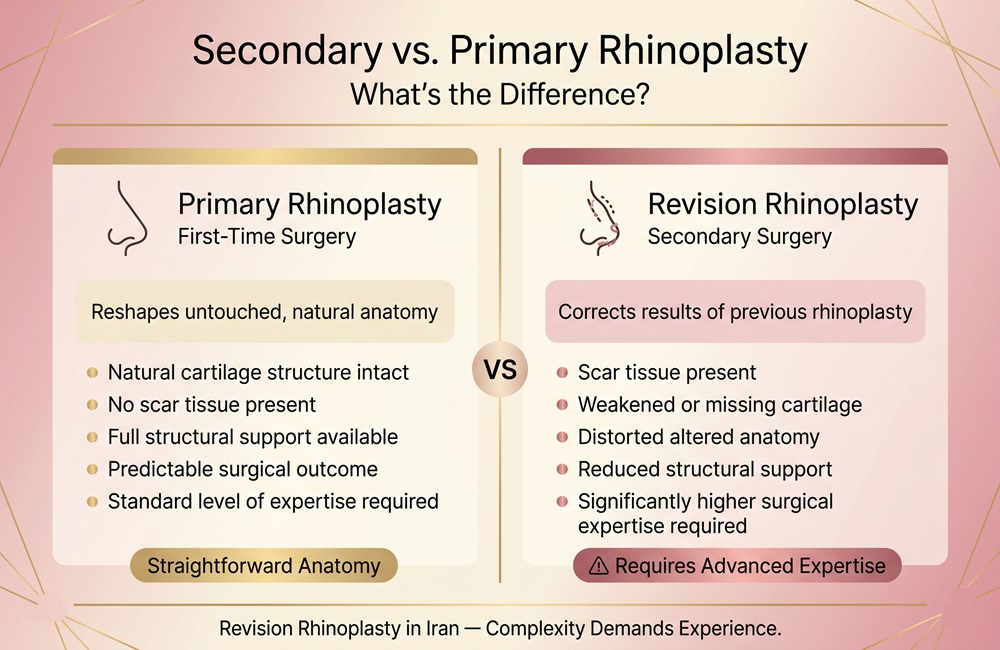
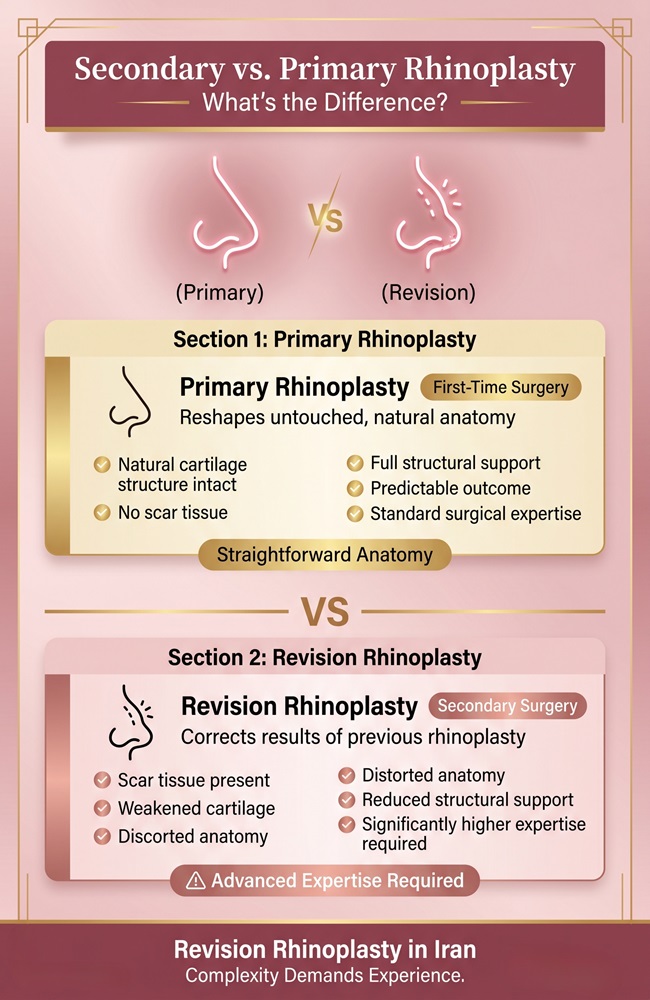
Secondary vs. Primary Rhinoplasty
Unlike primary rhinoplasty, which reshapes untreated nasal anatomy, revision rhinoplasty involves operating on tissues that may already contain scar tissue, weakened cartilage, or reduced structural support. Every revision procedure requires careful planning to restore both nasal function and facial harmony while preserving as much healthy tissue as possible.
When Is Revision Rhinoplasty Needed?
Patients may consider a revision nose job for several reasons, including:
- Persistent breathing problems
- Crooked or asymmetrical nose
- Drooping or pinched nasal tip
- Over-reduction of the bridge or tip
- Structural collapse after previous surgery
- Unsatisfactory cosmetic results
The appropriate treatment depends on a detailed evaluation of the nose and the patient’s goals.
When Is the Right Time for Revision Surgery?
In most cases, surgeons recommend waiting at least 12 months after the initial rhinoplasty before undergoing revision surgery. This allows swelling to resolve completely and the nasal tissues to stabilize, making it possible to accurately assess the final outcome and develop a safe surgical plan.
Who Is a Good Candidate for Revision Rhinoplasty?
A good candidate for revision rhinoplasty in Iran is someone who has fully healed from a previous nose surgery and continues to experience cosmetic concerns, breathing difficulties, or structural instability. Candidates should be in good overall health, have realistic expectations, and understand that revision surgery focuses on meaningful improvement rather than perfection.
Why Choose Ceritamed for Revision Rhinoplasty?
Choosing an experienced surgical team is one of the most important factors in successful revision rhinoplasty in Iran. At Ceritamed, complex secondary nose surgeries are performed by an experienced team of board-certified plastic and reconstructive surgeons with expertise in revision and reconstructive rhinoplasty.
Our approach focuses on:
- Advanced structural reconstruction
- Ear and rib cartilage grafting
- Functional airway correction
- Personalized treatment planning
- Long-term structural stability
For international patients, Ceritamed also provides online consultations, travel coordination, and post-operative follow-up to support every stage of treatment.
Structural Reconstruction in Revision Rhinoplasty
Successful revision rhinoplasty is based on rebuilding and reinforcing the nose rather than removing additional tissue. Depending on the extent of structural damage, cartilage grafts may be used to restore nasal support, improve breathing, and achieve long-term stability.
Ear Cartilage Revision Rhinoplasty
For moderate revision cases, ear cartilage is commonly used to strengthen weakened areas of the nose. It provides reliable support while leaving a discreet incision behind the ear that typically heals with minimal visible scarring.
Rib Cartilage Revision Rhinoplasty
When significant structural support is required, rib cartilage revision rhinoplasty may be recommended. Rib cartilage offers a strong framework for rebuilding collapsed or severely weakened noses and is often used in complex secondary procedures.
Restoring Both Function and Appearance
Revision surgery is designed to improve more than the external shape of the nose. By restoring structural support, surgeons can also address breathing difficulties caused by previous surgery, helping patients achieve both functional improvement and a more balanced facial appearance.
The Revision Rhinoplasty Procedure
Every revision rhinoplasty procedure begins with a comprehensive evaluation of the nose, previous surgical changes, and the patient’s goals. Since every revision case is unique, the surgical plan is customized to the individual’s anatomy and the amount of available cartilage.
Open vs. Closed Revision Rhinoplasty
Most revision procedures are performed using an open rhinoplasty approach, which gives the surgeon better visibility of scar tissue, cartilage, and internal structures. In selected cases, a closed approach may also be appropriate
Ultrasonic (Piezo) Revision Rhinoplasty
When bone reshaping is required, Ultrasonic (Piezo) Revision Rhinoplasty allows surgeons to perform precise corrections with minimal trauma to surrounding tissues. This technology can improve surgical accuracy and may help reduce bruising and swelling in suitable candidates.
Anesthesia and Surgical Time
Revision rhinoplasty is performed under general anesthesia and usually takes longer than a primary rhinoplasty. Depending on the complexity of the reconstruction, surgery may last between 4 and 6 hours.
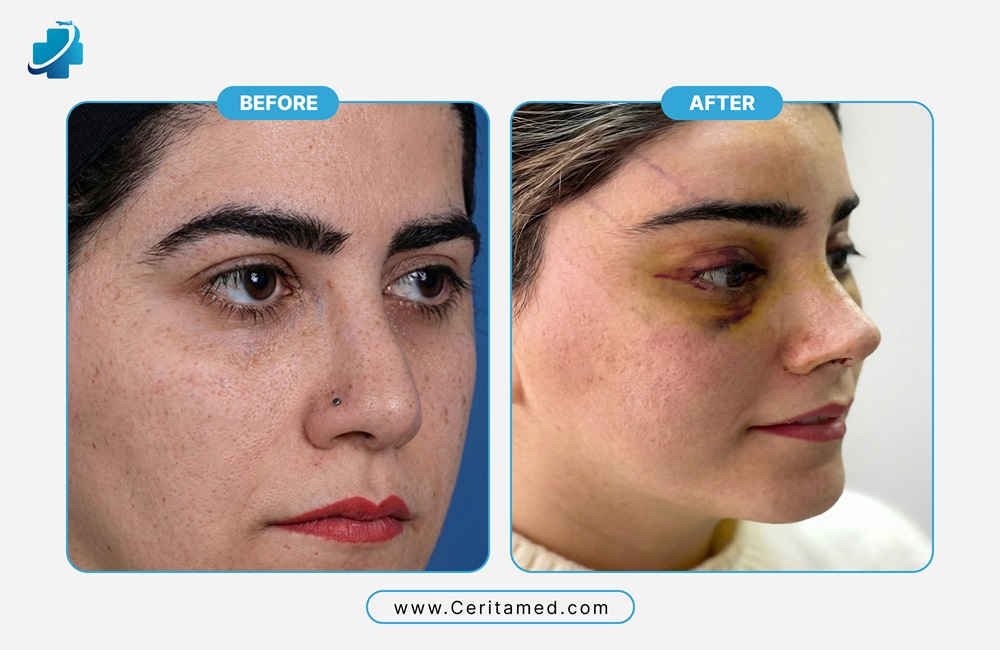
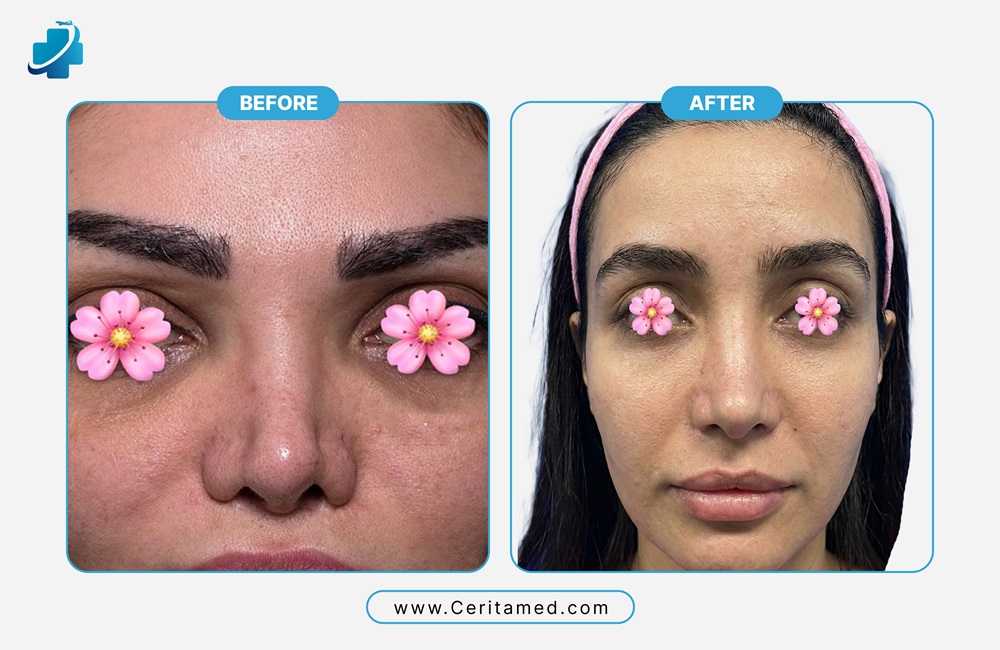
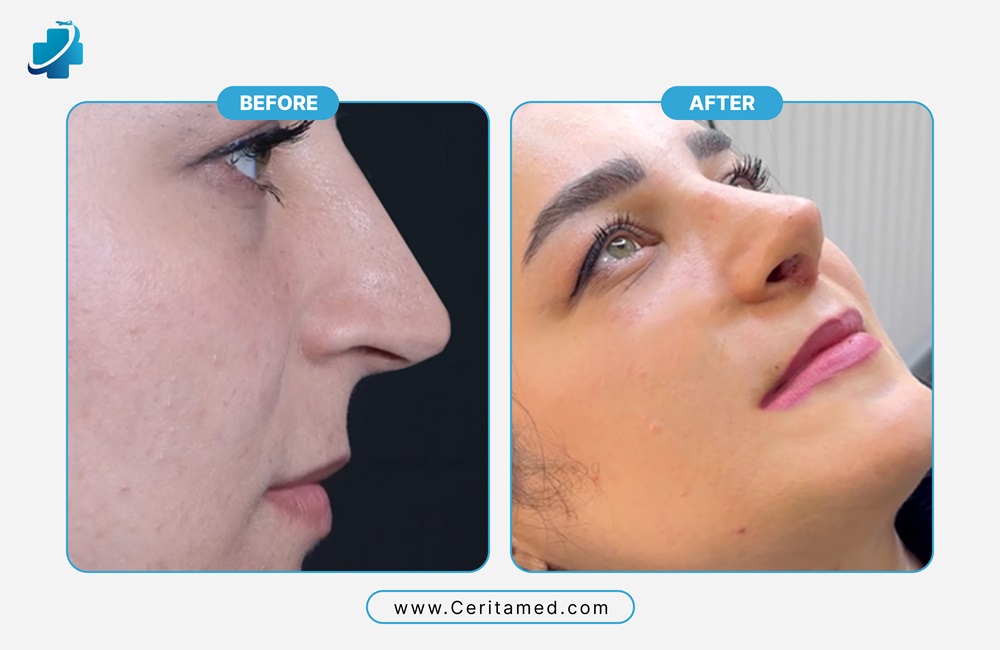
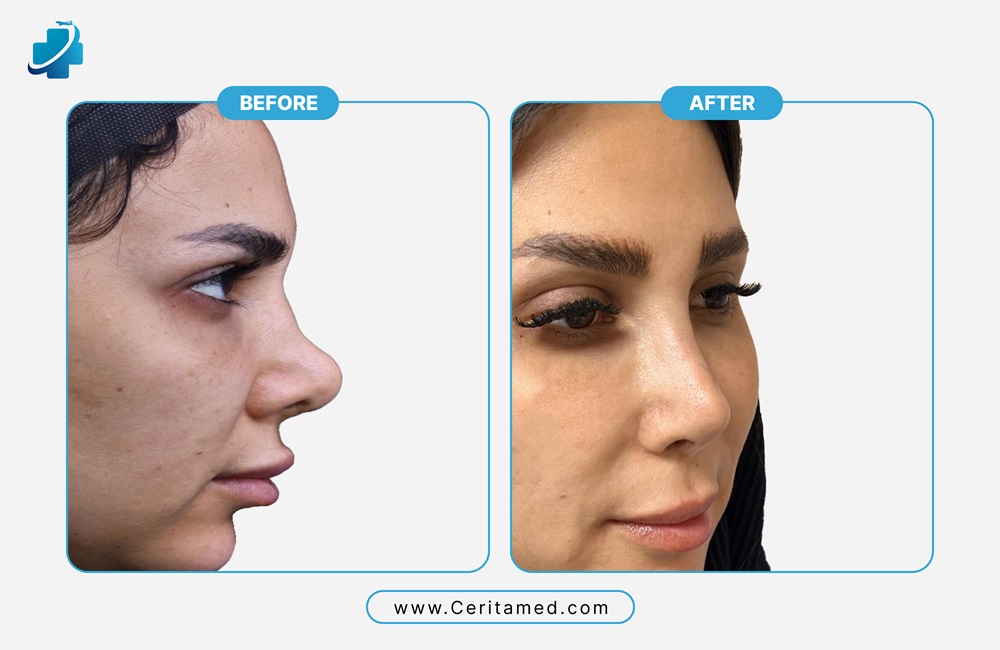
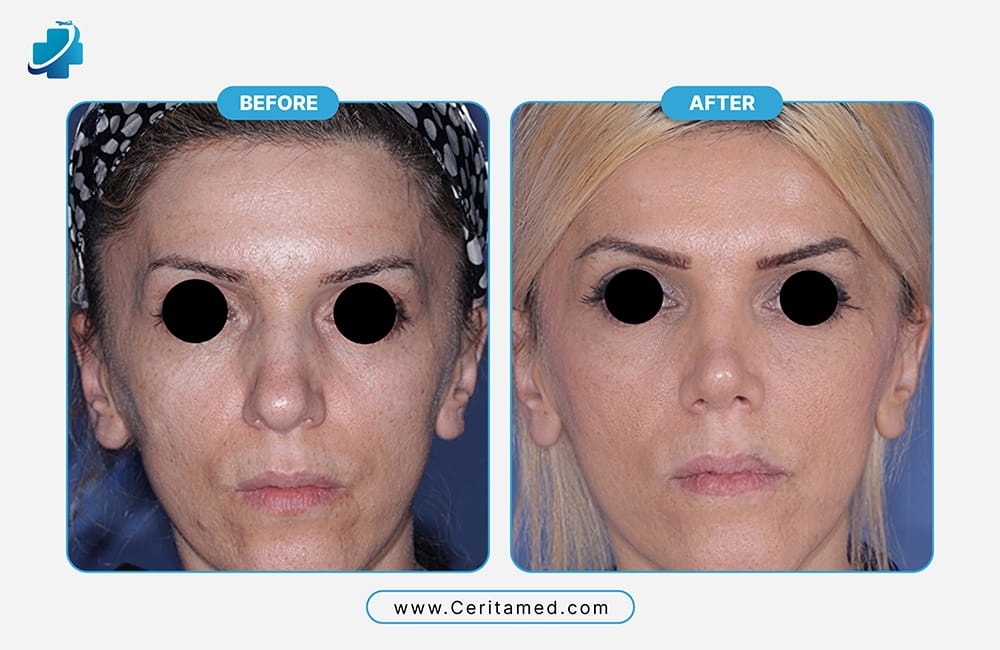
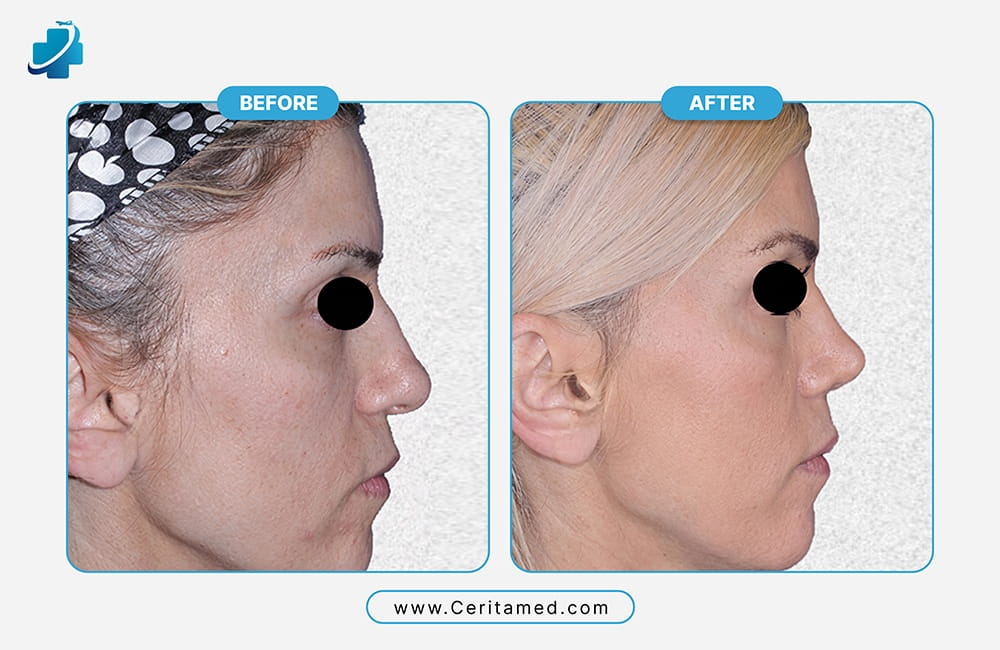
Revision Rhinoplasty Before and After Results in Iran
Recovery After Revision Rhinoplasty
Recovery following revision rhinoplasty is generally slower than after primary nose surgery because of previous scar tissue and more extensive reconstruction.
During the first weeks, swelling and bruising are expected, while the final outcome may continue to improve over 12 to 18 months, particularly in patients with thicker skin.
To support healing, patients receive detailed aftercare instructions, including swelling management, follow-up visits, and guidance on when to resume normal activities. Most international patients can usually travel 7–10 days after surgery, subject to their surgeon’s approval.
Revision Rhinoplasty Cost in Iran
The revision rhinoplasty cost in Iran depends on the complexity of the procedure, the need for cartilage grafting, surgical techniques, and the amount of reconstruction required. Because revision surgery is significantly more complex than primary rhinoplasty, it typically requires longer operating time and advanced reconstructive expertise.
At Ceritamed, revision rhinoplasty generally ranges from $3,000 to $5,000, with the final treatment plan determined after a comprehensive medical evaluation.
Revision Rhinoplasty Packages in Iran
What Affects the Cost?
The total cost may vary based on:
- Severity of structural damage
- Scar tissue from previous surgery
- Ear or rib cartilage grafting
- Surgical complexity
- Hospital and anesthesia requirements
Compared with many countries where revision rhinoplasty can cost well over $10,000, Iran offers advanced reconstructive care at a more affordable price due to economic factors rather than lower medical standards.





 Plastic Surgery Specialist
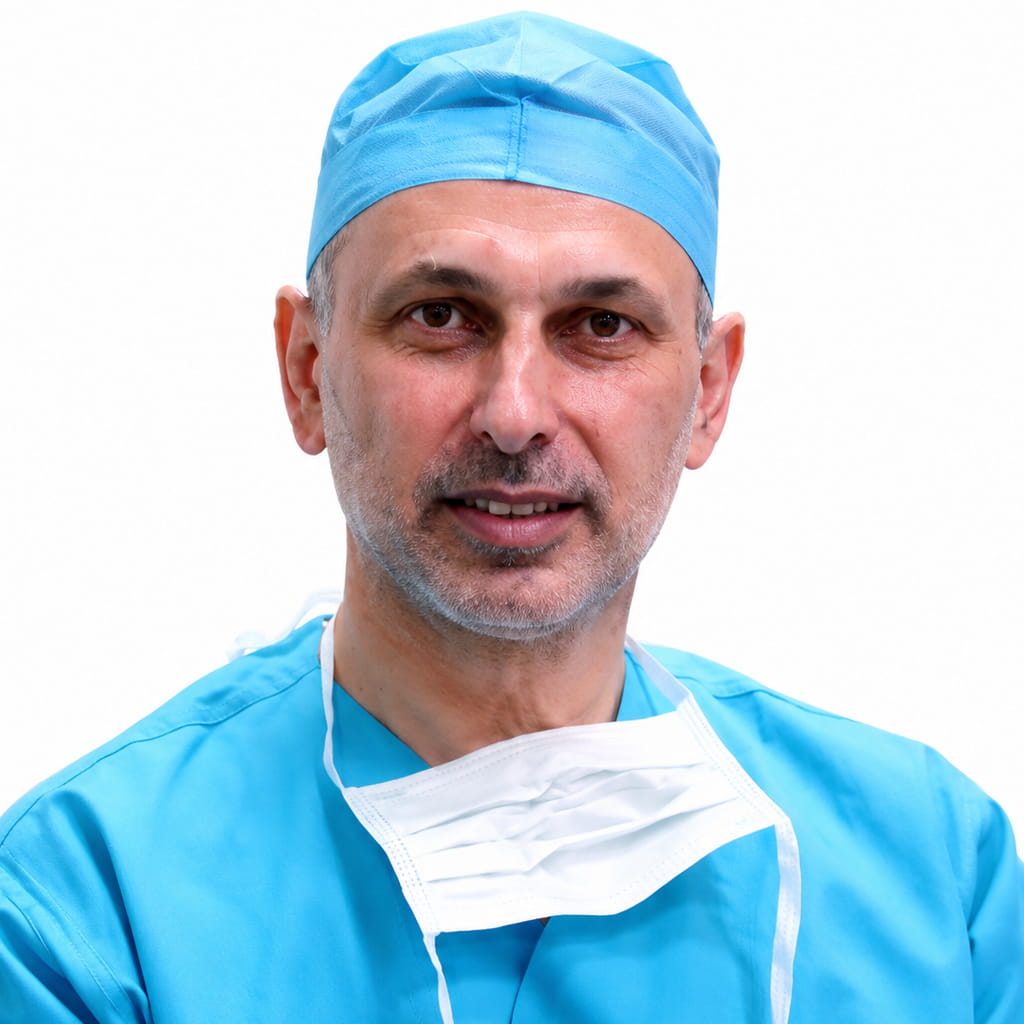 Plastic Surgery Specialist
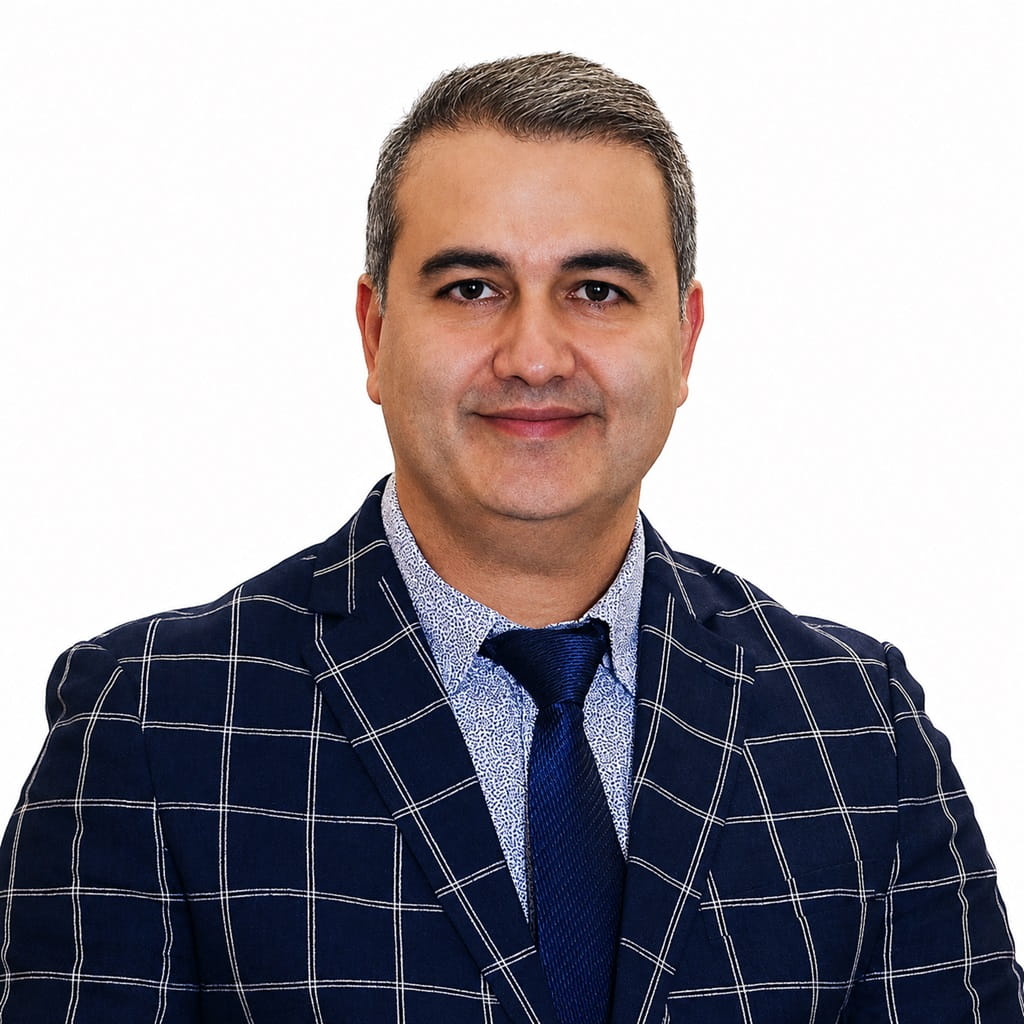 Plastic Surgery Specialist
 Aesthetic Surgery Specialist
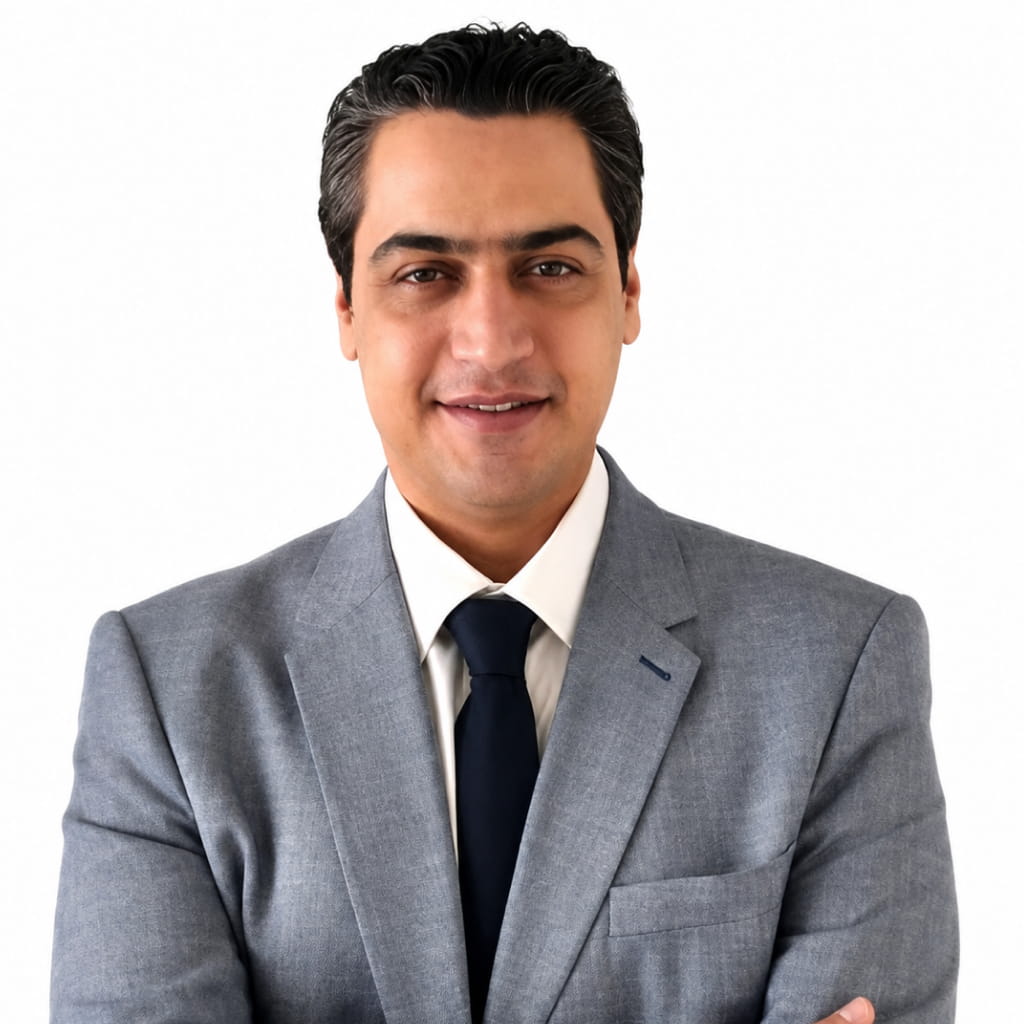 Plastic Surgery Specialist
 Aesthetic Surgery Specialist