

Beard Transplant in Iran
A beard transplant in Iran offers a permanent solution for men seeking a fuller, more natural-looking beard. Healthy hair follicles are transplanted into areas with sparse or missing facial hair to achieve long-lasting results. At Ceritamed, experienced specialists use advanced FUE and DHI beard transplant techniques to create personalized beard designs that complement each patient’s facial structure and aesthetic goals.
- FUE & DHI techniques for natural beard restoration
- Expert specialists ensuring precise, realistic results
- Customized beard design based on your face shape
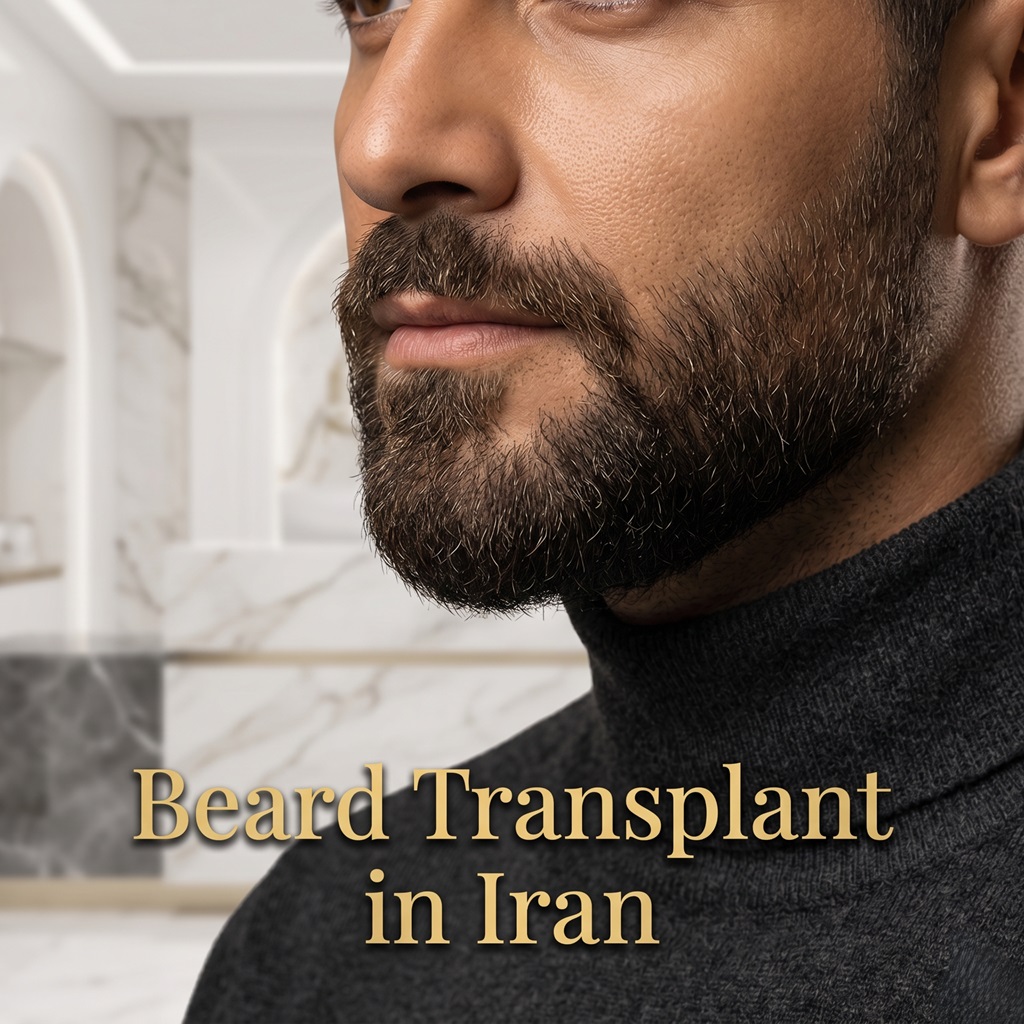
What Is a Beard Transplant and Who Is It For?
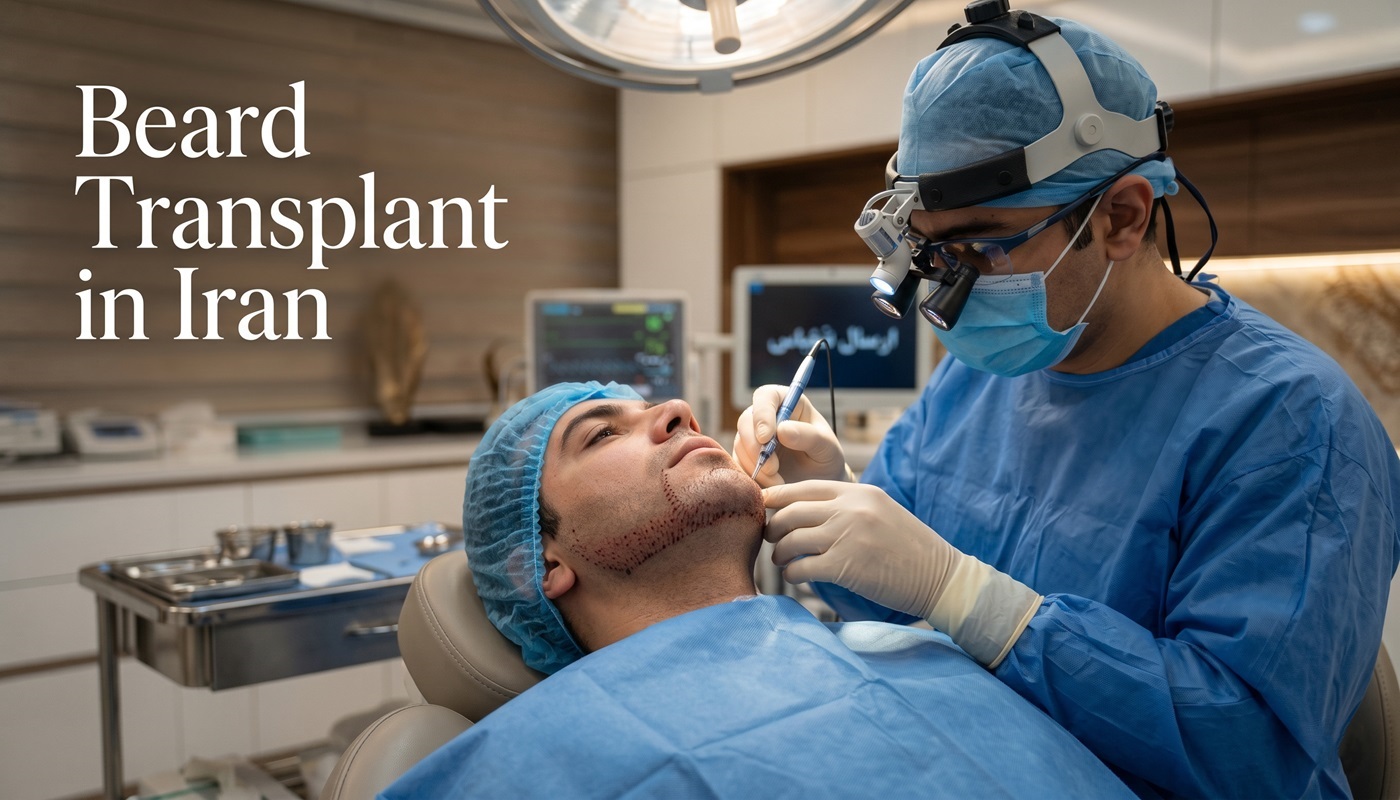
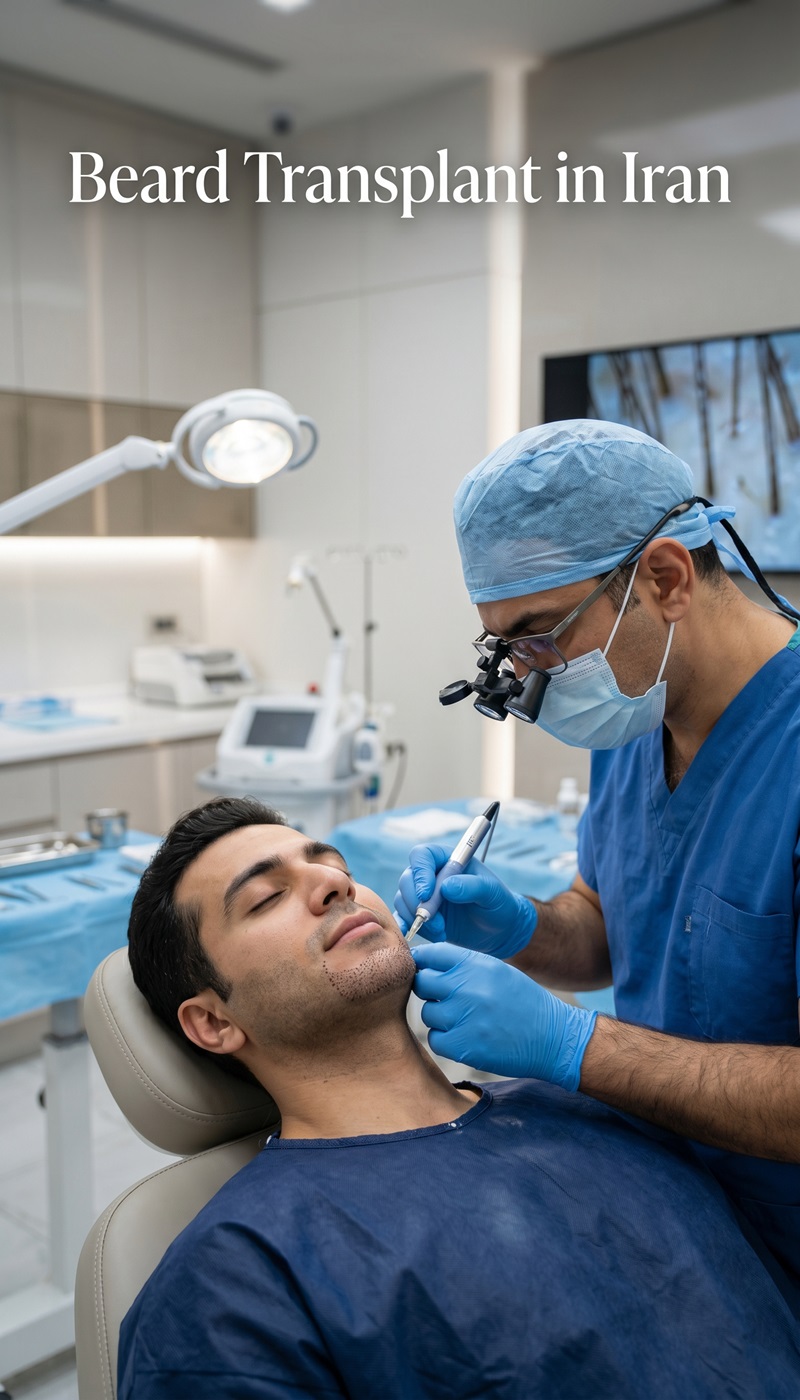
A beard transplant is a minimally invasive procedure where healthy hair follicles are extracted from a donor area and implanted into the beard, mustache, jawline, or sideburn areas.
Each follicle must be placed at the correct depth and angle to match natural facial hair growth. Because facial hair grows differently from scalp hair, beard restoration requires careful planning and specialized experience.
Why Do Men Have Patchy or Thin Beards?
Patchy or thin beard growth can happen due to several factors, including:
- Genetics: Uneven follicle distribution is the most common cause of patchy beard growth.
- Hormonal factors: Hormonal changes can affect facial hair density and growth patterns.
- Scars, trauma, or burns: Injuries may permanently damage beard follicles in specific areas.
- Alopecia affecting the beard area: In selected cases, transplantation may be considered after the condition has remained stable.
A professional evaluation helps determine whether beard hair restoration is the right option for your condition.
Beard Transplant vs. Beard Growth Products
Oils, serums, and supplements may improve hair quality or support existing growth, but they cannot create new hair follicles in areas where follicles are missing.
A beard transplant is currently the only permanent method for restoring missing or significantly reduced facial hair by adding new functional follicles to the beard area.
Beard Transplant for Scars and Patchy Beard
A beard transplant for scars can help restore facial hair in areas affected by injuries, burns, or previous procedures. Before treatment, the scar tissue is evaluated to determine skin quality, blood supply, and suitability for transplantation.
For men with a patchy beard, transplantation can improve density and create a more balanced beard appearance while maintaining natural growth direction.
Beard Design and Facial Hair Planning
Natural beard restoration depends on more than the number of transplanted follicles. A successful result requires a personalized beard design based on facial proportions, jawline structure, and aesthetic goals.
Customized Beard Design Based on Face Shape
Every beard is designed according to:
- Face shape
- Jawline structure
- Age and facial features
- Existing beard pattern
- Desired style
The goal is to create a beard that complements the face rather than simply adding maximum density.
Mustache and Sideburn Transplant
A mustache transplant and sideburn transplant can be performed alone or combined with beard restoration to create a more complete facial hair appearance.
Precise placement is especially important in these areas because incorrect angles or density can create an unnatural appearance.
Why Choose Ceritamed for Beard Transplant in Iran?
A successful beard transplant in Iran requires more than follicle implantation. Facial hair restoration depends on artistic design, correct angles, and medical precision.
Experienced Beard Transplant Surgeons
Ceritamed works with experienced hair and beard restoration specialists who focus on:
- Natural beard design
- Precise follicle placement
- Personalized treatment planning
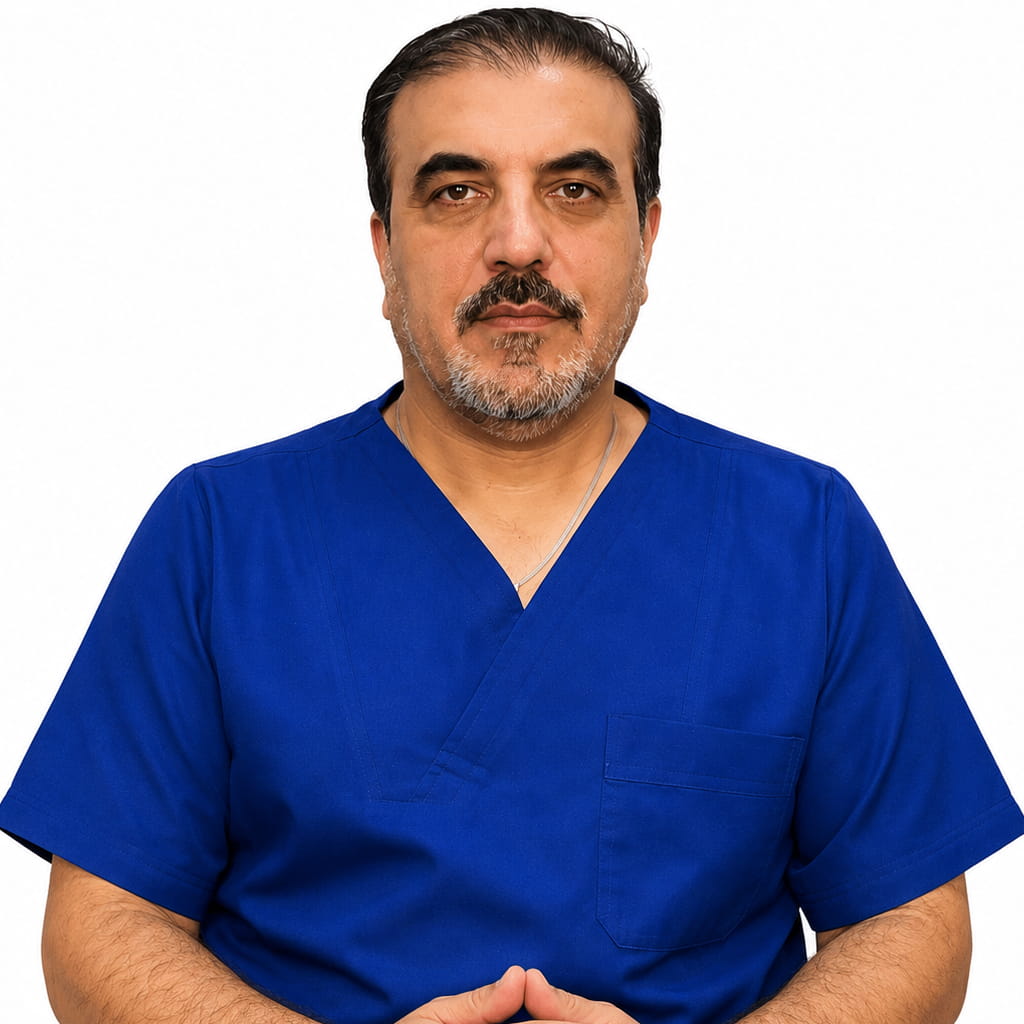 Aesthetic Medicine Specialist
Dr. Gholamreza Dehghan
Aesthetic Medicine Physician
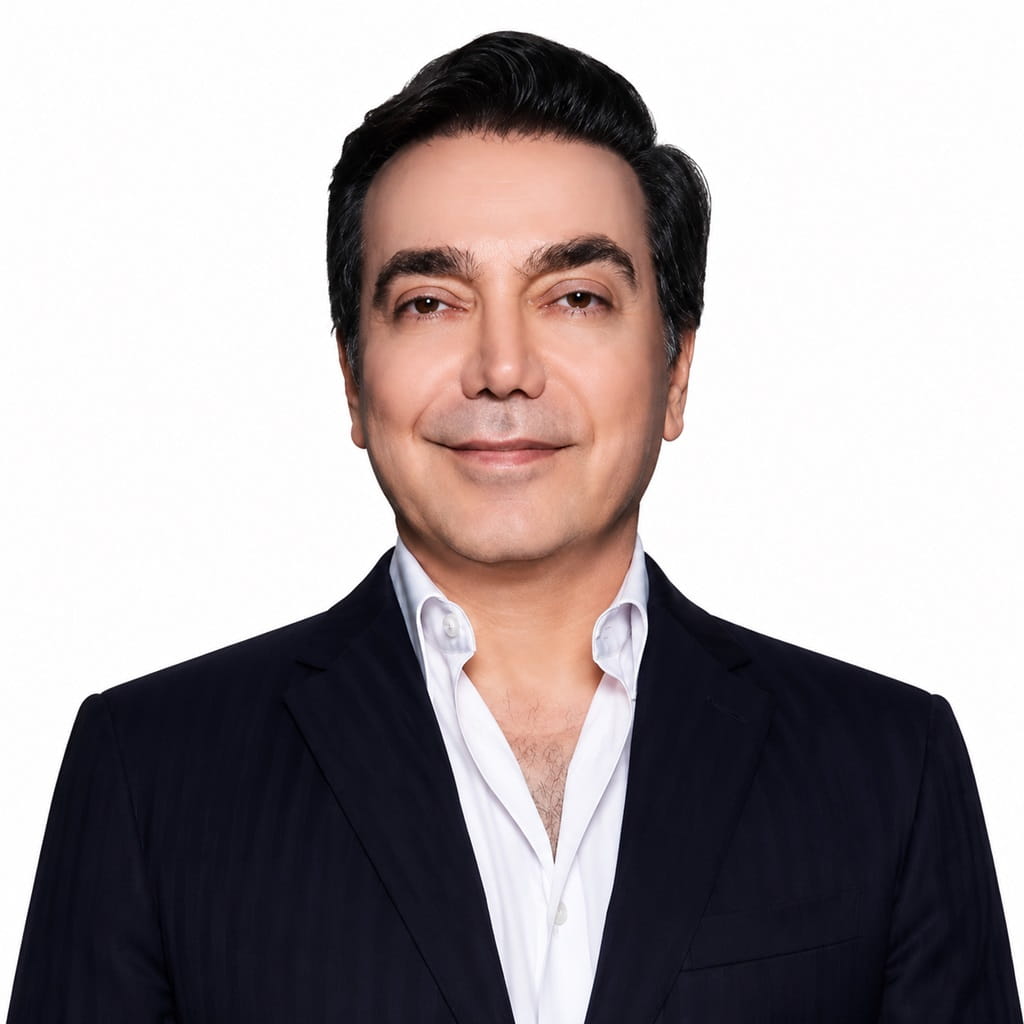 Dermatology Specialist
Prof. Mohammad Ali Nilforoushzadeh
Dermatologist, Hair Transplant & Regenerative Medicine Specialist
Beard Transplant Techniques in Iran
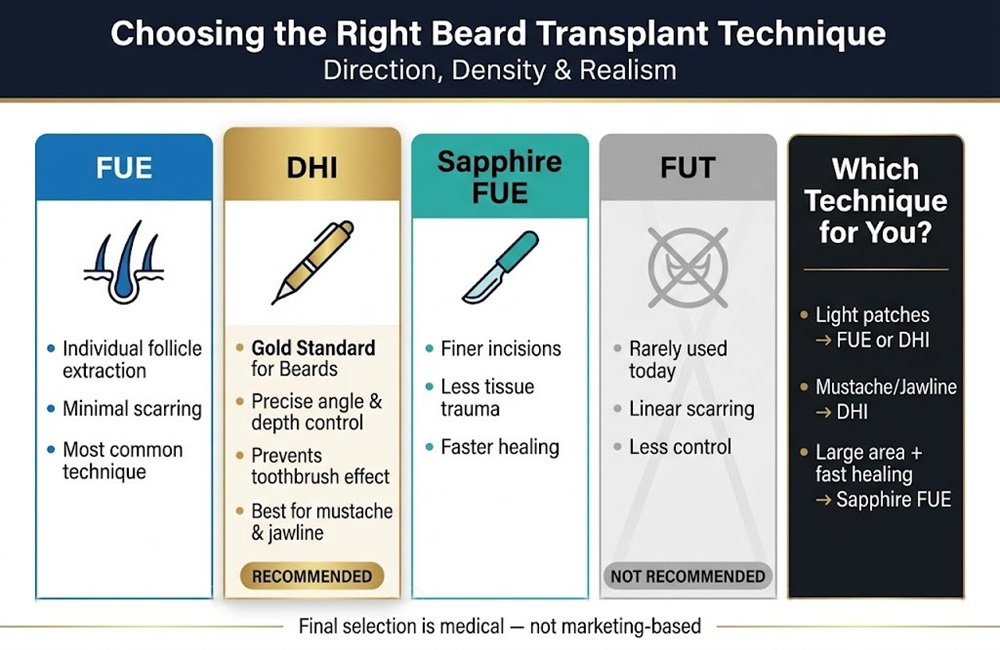
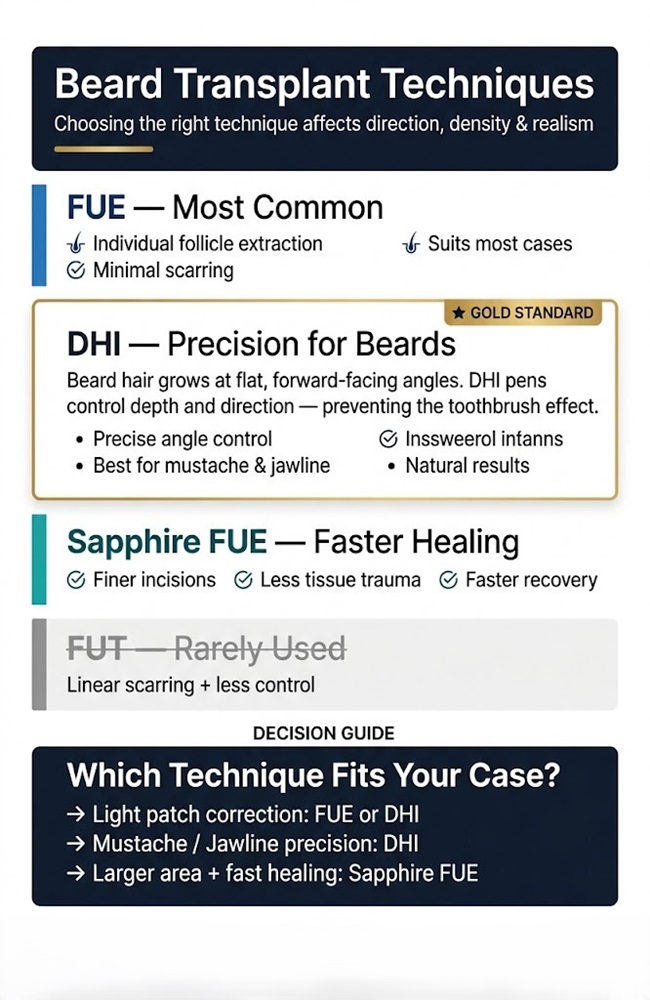
Choosing the right beard transplant technique directly affects beard density, hair direction, and the natural appearance of the final result. Since facial hair grows at different angles compared with scalp hair, the procedure requires precise follicle placement and careful technique selection.
At Ceritamed, the recommended method is selected based on your beard pattern, graft requirements, donor area condition, and aesthetic goals.
FUE Beard Transplant
FUE beard transplant (Follicular Unit Extraction) is one of the most common techniques for beard restoration. Individual hair follicles are extracted from the donor area and implanted into areas with missing or thin facial hair.
Benefits include:
- Minimal visible scarring
- Natural-looking beard growth
- Faster recovery
- Suitable for most beard restoration cases
FUE is commonly used for patchy beard correction, density improvement, and facial hair reconstruction.
DHI Beard Transplant
Sapphire FUE for Beard Transplant
Sapphire FUE beard transplant uses sapphire blades to create smaller recipient channels before implantation.
Potential benefits include:
- Smaller incisions
- Reduced tissue trauma
- Faster healing
- Precise channel creation
This technique may be recommended for patients who require detailed beard design and refined implantation.
FUT Beard Transplant
FUT beard transplant (Follicular Unit Transplantation) involves removing a strip of scalp tissue and extracting individual grafts from it.
Due to linear scarring and less control over individual follicle placement, FUT is rarely used for modern beard restoration.
Beard Transplant Procedure and Graft Planning
A successful beard transplant procedure requires more than transferring follicles. Proper graft planning, donor selection, and correct implantation angles are essential for achieving natural facial hair growth.
Donor Area Selection
The procedure is performed under local anesthesia.
Discomfort is minimal and temporary.
Hair Angle and Natural Growth Direction
Facial hair grows at flatter angles compared with scalp hair. Incorrect placement can create an unnatural appearance.
During implantation, each follicle is positioned according to natural beard growth patterns, including:
- Hair direction
- Growth angle
- Density distribution
- Facial symmetry
This precision is one of the most important factors in achieving natural beard transplant results.
How Many Grafts Do You Need?
The number of required grafts depends on your goals, existing beard density, and the treatment area.
Typical ranges include:
- Light patch correction: 300–800 grafts
- Medium beard density: 800–1500 grafts
- Full beard restoration: 1500–2500+ grafts
- Mustache or sideburn restoration: Based on individual needs
A personalized evaluation determines the exact number of grafts required while maintaining a natural appearance.
Beard Transplant Results, Recovery and Safety
The final outcome of a beard transplant develops gradually as transplanted follicles adapt and begin a new growth cycle. Proper aftercare and realistic expectations are essential for achieving natural and long-lasting beard transplant results.
Beard Transplant Before and After Results
After a beard transplant before and after comparison, patients usually notice gradual changes rather than immediate final density.
Typical timeline:
- 2–8 weeks: Temporary shedding may occur
- 3–4 months: New beard growth begins
- 6 months: Visible improvement in density
- 9–12 months: Final beard appearance becomes more stable
Beard Transplant Recovery Timeline
Recovery after FUE beard transplant or DHI beard transplant is generally quick.
Patients may experience:
- Mild redness and swelling during the first days
- Small scabs that usually disappear within 1–2 weeks
- Gradual return to normal activities shortly after the procedure
Gentle washing and following postoperative instructions help protect newly implanted follicles.
Shock Loss and Beard Transplant Success Rate
Temporary shedding, known as shock loss, can occur after beard transplantation. This is a normal part of the healing process and does not mean the follicles are damaged.
The beard transplant success rate depends on:
- Surgeon experience
- Correct follicle placement
- Donor hair quality
- Proper aftercare
With accurate planning and professional technique, transplanted beard follicles can provide permanent growth.
Beard Transplant Cost in Iran
The beard transplant cost in Iran depends on several factors, including the number of grafts, selected technique, treatment area, and included services.
At Ceritamed, beard transplant packages start from approximately $480, with the final cost determined after evaluating your beard pattern and restoration goals.
Beard Transplant Packages in Iran
Best Price
Beard Transplant — Economy
Economy beard transplant with initial beard-shape design
480 USD
- Beard transplant using the micrograft technique
- Suitable for approximately 1,000–2,000 hairs
- Initial beard-shape design
- Required medications
- Required laboratory tests
- Post-transplant follow-up
- 2 nights hotel accommodation
- SIM card and internet service
- Interpreter
- Transportation
High Density
Beard Transplant — VIP
High-density beard transplant with comprehensive shape design
680 USD
- Beard transplant using the micrograft technique
- Suitable for more than 3,000 hairs
- Higher-density and wider-area coverage
- Comprehensive beard-line and shape design
- Required medications
- Required laboratory tests
- Post-transplant follow-up
- 2 nights hotel accommodation
- SIM card and internet service
- Interpreter
- Transportation
Factors Affecting Beard Transplant Cost
The price may vary based on:
- Number of required grafts
- FUE or DHI technique
- Mustache, beard, or sideburn restoration
- Medical support services
Why Iran Is a Cost-Effective Choice
The lower beard transplant cost in Iran is mainly related to economic factors and operational expenses, not reduced medical standards. International patients can access experienced surgeons and advanced techniques while benefiting from competitive pricing.
International Patient Support
For international patients, Ceritamed provides coordinated services including:
- Online consultation
- Airport transfer
- Accommodation assistance
- Interpreter support
- Postoperative follow-up
If you’re looking for a natural beard, smart pricing, and medical-grade expertise, a beard transplant in Iran with Ceritamed is a confident, long-term decision.
Send us your photos for a free professional consultation and personalized plan—honest, precise, and without exaggeration.
Procedure Overview
Anesthesia: Local anesthesia
Success Rate: 90–95%
Stay Duration: 3–5 days

Frequently Asked Questions About Bread Transplant
Is beard transplant permanent?
Yes. Transplanted follicles usually continue growing permanently because they maintain their natural characteristics.
Is beard transplant painful?
The procedure is performed under local anesthesia, and most patients experience minimal discomfort.
How many grafts do I need for a beard transplant?
The required number depends on your goals and the treatment area. Most cases range from 300 to 2500+ grafts.
When can I shave after beard transplant?
Light trimming can usually begin after a few weeks, while shaving with a razor should be delayed until the follicles are more stable.