

IVF in Iran
At Ceritamed, we provide advanced IVF treatment in Iran with high success rates, experienced fertility specialists, and personalized care for international patients. Combining world-class reproductive technology with affordable costs, we help couples take confident steps toward building the family they’ve always dreamed of.
- Higher IVF success rates with expert fertility specialists in Iran
- Affordable IVF treatment in Iran with advanced medical technology
- Trusted IVF journey with personalized care and Ceritamed support
What Is IVF and Who Needs IVF Treatment?
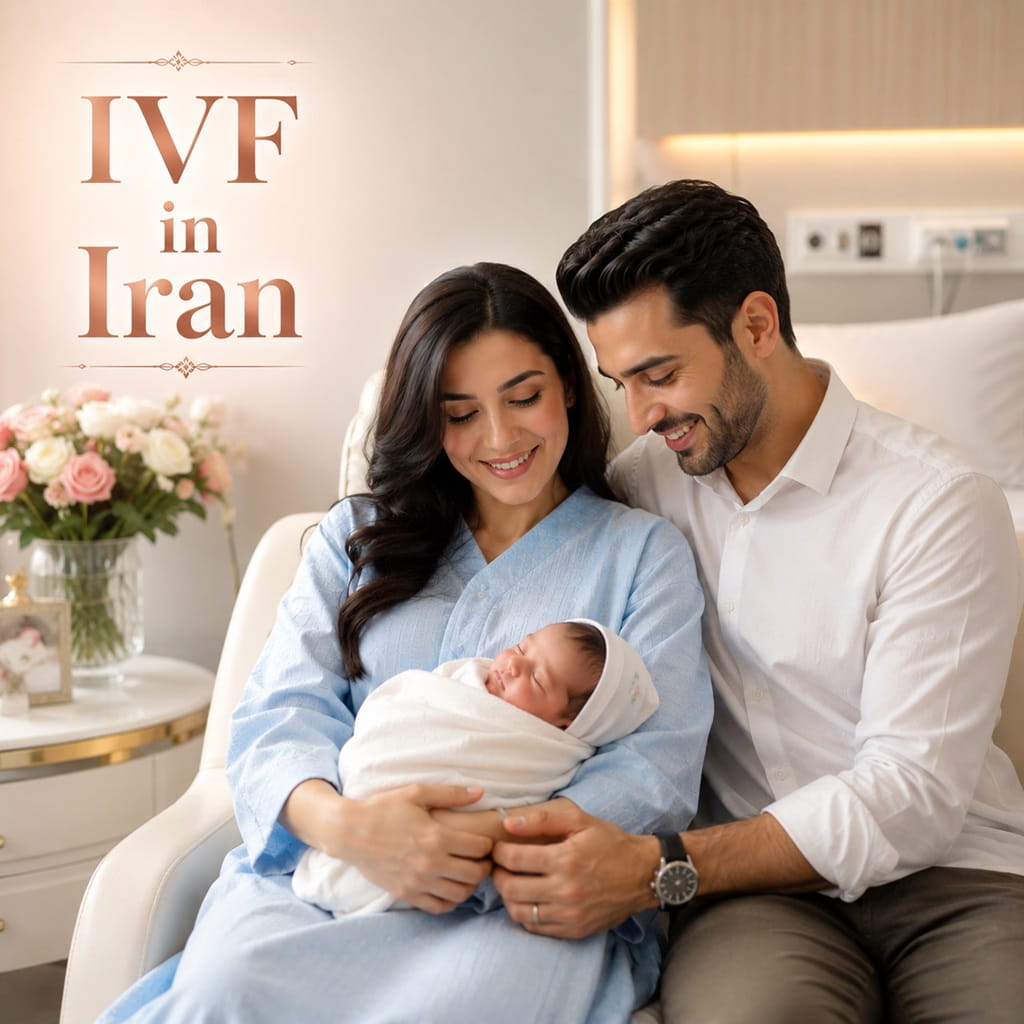
In vitro fertilization (IVF) is an assisted reproductive technology (ART) that helps couples achieve pregnancy when natural conception is difficult. During IVF, eggs are collected from the ovaries and fertilized with sperm in a laboratory. After embryo development, the best-quality embryo is transferred into the uterus.
IVF may be recommended for different infertility conditions, depending on the couple’s medical situation and previous treatment history.
How IVF Works
The IVF process involves several main stages:
- Ovarian stimulation: Hormonal medications help stimulate the ovaries to produce multiple eggs.
- Egg retrieval: Mature eggs are collected through a minimally invasive procedure.
- Fertilization: Eggs and sperm are combined in the laboratory, often using ICSI when needed.
- Embryo development: Embryos are monitored before selecting the most suitable embryo for transfer.
- Embryo transfer: The selected embryo is placed into the uterus to achieve pregnancy.
Each IVF treatment plan is customized based on age, egg quality, sperm quality, and the cause of infertility.
IVF for Female Infertility
IVF for female infertility may be recommended for conditions such as:
- Blocked or damaged fallopian tubes
- Ovulation disorders
- Endometriosis
- Reduced ovarian reserve
- Age-related fertility challenges
For women with complex fertility conditions, IVF allows specialists to create personalized treatment protocols to improve the chance of successful pregnancy.
IVF for Male Infertility
IVF for male infertility can help couples affected by factors such as:
- Low sperm count
- Reduced sperm motility
- Poor sperm quality
- Azoospermia (absence of sperm in ejaculation)
In severe male infertility cases, advanced sperm retrieval methods such as TESE (Testicular Sperm Extraction) or PESA (Percutaneous Epididymal Sperm Aspiration) may be used to obtain sperm for IVF with ICSI.
Fertility Specialist
Dr. Zahra Raofi
Gynecologist & Obstetrician | IVF & Infertility Fellowship Specialist
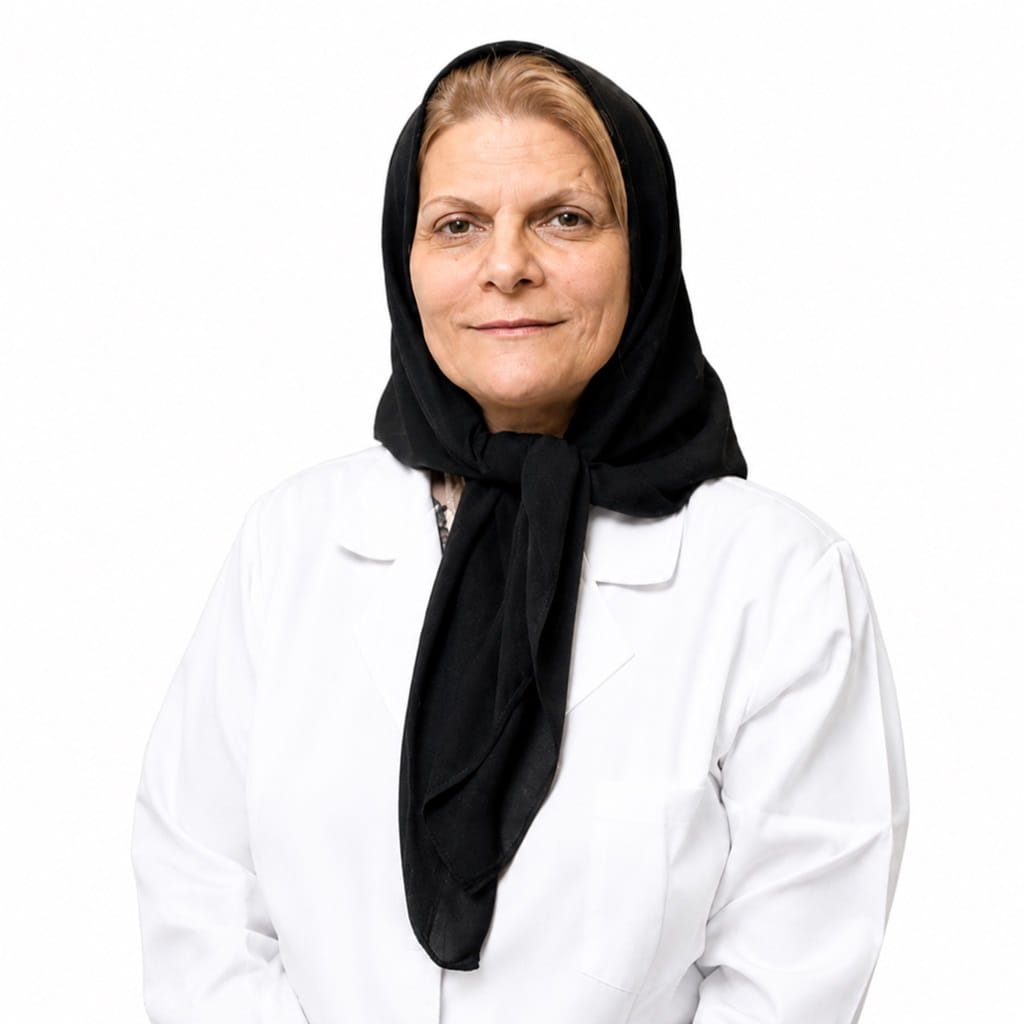
Dr. Zahra Raofi is an experienced infertility specialist with expertise in:
- IVF & ICSI
- Egg Donation
- Surrogacy
- PGD / PGS
- Gender Selection
IVF Success Rates in Iran
The IVF success rate in Iran depends on several individual factors, including the woman’s age, egg quality, sperm quality, embryo development, and the overall health of the reproductive system.
A successful IVF outcome is not determined only by the clinic or technology. A personalized treatment plan, accurate diagnosis, and experienced fertility specialists play an important role in improving the chances of pregnancy.
Factors Affecting IVF Success Rate
The most important factors include:
- Age: Female age is one of the strongest predictors of IVF success.
- Egg quality: Healthy eggs increase the chance of developing viable embryos.
- Sperm quality: Sperm count, movement, and genetic factors can affect fertilization.
- Embryo quality: Chromosome health and embryo development influence implantation success.
IVF Success Rate by Age
IVF outcomes vary between patients, but generally:
- Under 35: Higher success rates due to better egg quality
- 35–40: Success rates gradually decrease with age
- Over 40: Doctors may evaluate options such as donor eggs depending on ovarian reserve
A fertility specialist evaluates each case individually before recommending the most suitable treatment approach.
IVF Procedure: Step-by-Step
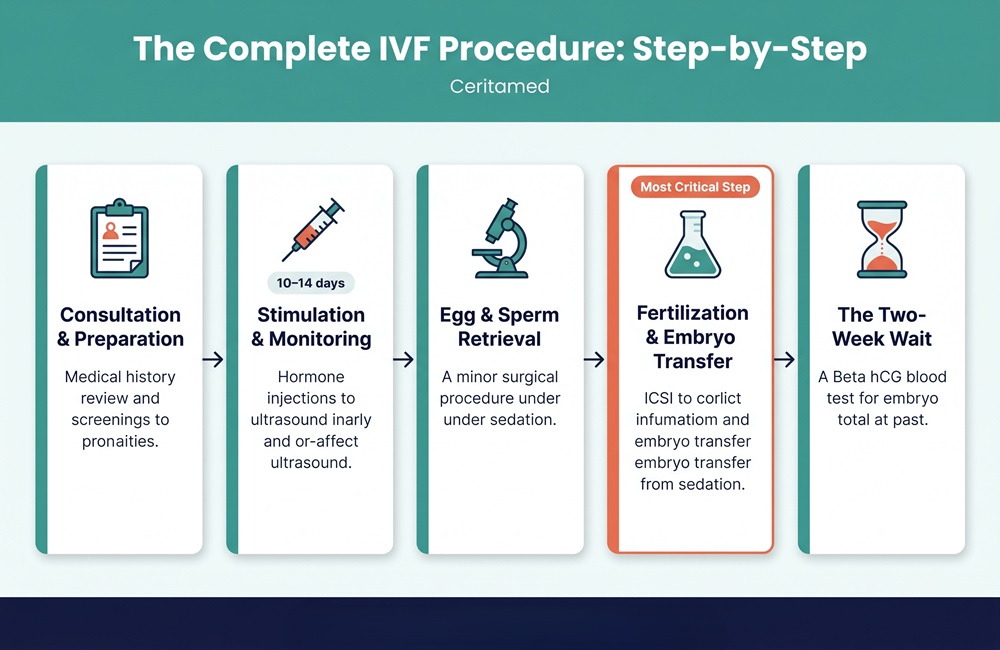
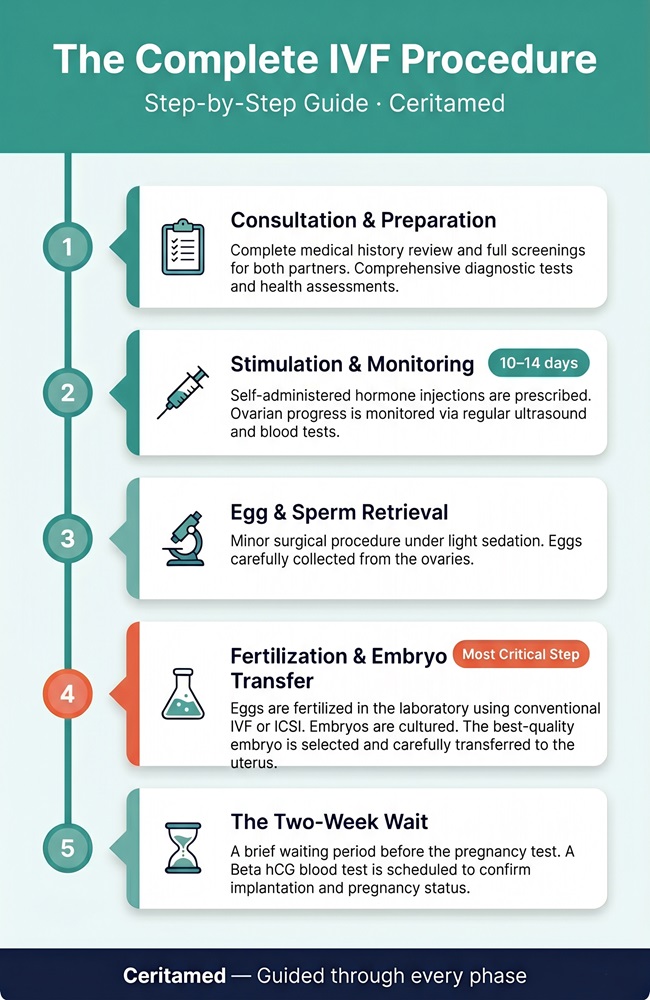
Understanding the IVF procedure helps patients feel more prepared throughout their fertility journey. At Ceritamed, each step is managed according to the patient’s medical condition and treatment plan.
Consultation and Preparation
The IVF journey begins with a detailed consultation. Doctors review medical history, perform fertility assessments, and determine the most suitable IVF protocol.
Preparation may include:
- Hormonal evaluation
- Ultrasound examination
- Sperm analysis
- Lifestyle recommendations
Ovarian Stimulation and Monitoring
During ovarian stimulation, fertility medications encourage the development of multiple eggs. Regular ultrasound monitoring helps doctors track follicle growth and determine the ideal timing for egg retrieval.
This stage usually takes around 10–14 days, depending on the individual response.
Egg Retrieval, Fertilization and Embryo Transfer
After eggs reach maturity, they are collected through a minimally invasive procedure. The eggs are then fertilized with sperm in the laboratory.
In cases of male infertility, IVF with ICSI may be used to inject a single sperm directly into the egg.
After embryo development, the selected embryo is transferred into the uterus using a thin catheter.
Pregnancy Test After IVF
Around two weeks after embryo transfer, an IVF pregnancy test (Beta hCG) is performed to determine whether implantation has occurred.
IVF Packages in Iran
IVF Treatment Packages
IVF / ICSI Complete Package
IVF / ICSI Complete Package
1,250 USD
- One IVF / ICSI cycle
- Standard fertilization and embryo development procedures
- Embryo transfer
- Coordination of medical appointments and treatment plan
- Initial review of the medical file before travel
IVF / ICSI + Gender Selection Package
IVF / ICSI + Gender Selection Package
2,100 USD
- One IVF / ICSI cycle
- Embryo development
- Genetic testing for gender selection for up to 6 embryos
- Selection of the appropriate embryo based on test results and the physician’s recommendation
- Embryo transfer
- Coordination of medical and laboratory procedures
- Initial review of the medical file before travel
Donor IVF / ICSI Package
Option A — Donated Embryos
$2,400 USD
Option B — Donated Eggs
$3,100 USD
- Option A — Donated Embryos
- Up to 6 donated embryos, subject to the center’s conditions and protocols
- Medical preparation for embryo transfer
- Embryo transfer
- Medical and laboratory coordination
- Initial medical file review
- Option B — Donated Eggs
- 10 donated eggs
- IVF / ICSI
- Fertilization and embryo development
- Embryo transfer
- Full coordination of the treatment process
- Initial review of the medical file before travel
Optional Add-on
Optional Add-on
Donor Egg Option
10 donor eggs for use within the fertility treatment plan
1600 USD
- 10 donor eggs
- Coordination according to the treatment protocol
Optional Add-on
Donor Embryo Option
6 donor embryos according to the treatment protocol
1700 USD
- 6 donor embryos
- Coordination according to the applicable treatment protocol
Accommodation & Support Packages
Accommodation & Support Package
Accommodation & Support Package
1,580 USD
- One month of hotel accommodation
- Visa services for 2 people
- Airport pickup
- SIM card and internet service
- Interpreter and treatment-related transportation for up to 20 hours
- Coordination of medical visits and transportation
- Support throughout the stay
Advanced IVF Treatments in Iran
Modern IVF treatment in Iran includes advanced reproductive technologies designed for different infertility conditions and family planning needs.
IVF with ICSI
ICSI (Intracytoplasmic Sperm Injection) is a specialized fertilization technique where a single sperm is directly injected into the egg.
It is commonly used for:
- Low sperm count
- Poor sperm movement
- Previous IVF fertilization failure
PGD / PGS and Gender Selection IVF
PGD (Preimplantation Genetic Diagnosis) and PGS (Preimplantation Genetic Screening) allow specialists to evaluate embryos before transfer.
These technologies may help identify certain genetic conditions and support gender selection IVF for family balancing where legally permitted.
Egg Donation and Advanced Male Infertility Solutions
For patients who cannot achieve pregnancy using their own eggs or sperm, options such as IVF with donor egg, donor sperm, or embryo donation may be considered after medical evaluation.
For severe male infertility, techniques such as TESE and PESA can help retrieve sperm for use with ICSI.
IVF Cost in Iran
The IVF cost in Iran depends on several factors, including the treatment protocol, medications, laboratory services, required technologies, and the complexity of each case.
Compared with many Western countries, IVF treatment in Iran offers a more affordable option while providing access to experienced fertility specialists and advanced reproductive technologies.
Factors Affecting IVF Cost
The final cost may vary based on:
- Type of IVF treatment required
- Medication and hormone protocols
- ICSI, PGD/PGS, or genetic testing requirements
- Donor programs if needed
- Number of treatment cycles
- Additional patient support services
IVF Cost Comparison
Country | Average IVF Cost |
USA | $12,000–$25,000 |
UK / Europe | $6,000–$13,000 |
Turkey | $3,500–$5,000 |
Iran (Ceritamed) | $1,250–$3,100 |
The lower IVF cost in Iran is mainly related to economic factors and operational expenses, not reduced medical quality. Patients can access modern fertility laboratories, experienced specialists, and comprehensive treatment coordination.
Why Choose Ceritamed for IVF in Iran?
Choosing the right fertility team is one of the most important steps in the IVF journey. Ceritamed provides international patients with personalized fertility care, advanced reproductive technologies, and structured support throughout the treatment process.
Experienced IVF Specialist
IVF treatment at Ceritamed is supervised by experienced fertility specialists, including:
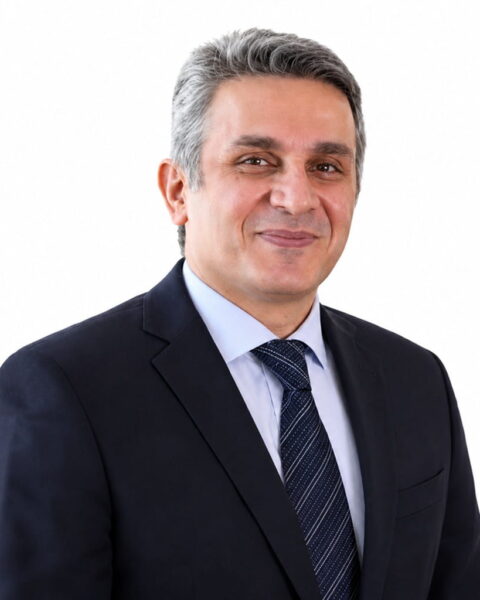
 OB-GYN & IVF Specialist
Dr. Mansoureh Alirezaei
Obstetrician, Gynecologist & Infertility Specialist
 OB-GYN & IVF Specialist
Dr. Reza Nasr
Consultant Obstetrician, Gynecologist & IVF Specialist
Gynecologist & IVF Specialist
Dr. Zahra Raoufi
Obstetrician, Gynecologist & Infertility Specialist
International Patient Support
For international patients, Ceritamed assists throughout the treatment journey with:
- Online consultation
- Medical coordination
- Accommodation support
- Translation assistance
- Follow-up after treatment
Local SIM Card
Visa Assistance
Hotel
Medical Interpreter
Airport & City Transportation
Free Internet Access
Conclusion
In summary, IVF in Iran offers a compelling combination of high success rates, advanced medical technology, and affordable costs. By choosing to undergo IVF treatment in Iran, you are placing your trust in a system that values scientific rigor and patient care. From the initial IVF consultation to the joy of a positive IVF pregnancy test, Ceritamed supports you at every step. Whether you require IVF for infertility, gender selection, or donor services, the comprehensive care available in Iran makes it a premier destination for medical tourism. Take the first step today; your future family is waiting.
Procedure Overview
Stay duration: around 1 month
Treatment duration: approximately 3–4 weeks
Success rate: 60–65%

IVF Frequently Asked Questions
How much does IVF cost in Iran?
The average IVF cost in Iran varies depending on the treatment plan and required services. A standard IVF cycle is generally more affordable than many Western countries while maintaining access to advanced fertility care.
Is IVF safe for women over 40?
Yes, IVF can be performed safely for women over 40, but success rates may decrease due to changes in egg quality. In some cases, doctors may recommend options such as donor eggs or genetic testing.
Can I choose the gender of my baby with IVF in Iran?
Yes. Gender selection IVF using PGD techniques is available in Iran under specific medical and legal frameworks. This allows specialists to identify embryo characteristics before transfer.
How long does the IVF process take?
A typical IVF cycle may take several weeks, including consultation, ovarian stimulation, egg retrieval, embryo development, and pregnancy testing.