

science
IVF Embryo
Embryos are created through IVF before transfer.
Gestational Surrogacy with IVF, Legal Guidance & International Patient Support
Surrogacy in Iran can provide a path to parenthood for intended parents who are unable to carry a pregnancy. CeritaMed coordinates gestational surrogacy programs for international patients, including fertility evaluation, IVF treatment, surrogate screening and matching, legal documentation, and treatment coordination.
Legal & Documentation Support
Guidance with contracts, documentation, and international patient procedures.
Screened Surrogate Mothers
Potential surrogates undergo medical and psychological evaluation before treatment.
Surrogacy is an assisted reproductive arrangement in which a woman carries a pregnancy on behalf of the intended parents.
CeritaMed provides gestational surrogacy, where an embryo created through IVF is transferred to the surrogate. The surrogate does not provide the egg and therefore has no genetic connection to the baby.
Embryos are created through IVF before transfer.
A screened surrogate carries the pregnancy after embryo transfer.
The baby’s genetic relationship depends on whose egg and sperm are used, not on the surrogate.

Yes. Surrogacy is legal in Iran and is practiced through fertility treatment centers. However, Iran does not have one comprehensive statute governing every aspect of surrogacy. Contracts, parentage, birth registration, and documentation may therefore require case-specific legal coordination, particularly for international intended parents.
Surrogacy arrangements operate through existing legal principles, contracts, assisted-reproduction practice, and judicial procedures rather than a single dedicated surrogacy law.
International patients should also review the requirements of their own country regarding parentage, nationality, passports, and recognition of documents issued after birth.
CeritaMed coordinates the required legal and documentation stages as part of the treatment pathway, while requirements are reviewed according to each case.
Gestational surrogacy may be considered when carrying a pregnancy is impossible, medically unsafe, or has repeatedly been unsuccessful despite appropriate fertility treatment. A fertility specialist should evaluate each case before recommending surrogacy.
For women with medical conditions that make pregnancy impossible or unsafe.
For patients with repeated unsuccessful IVF treatment despite suitable embryos.
For patients with repeated pregnancy loss where another pregnancy may not be the appropriate pathway.
For women with congenital or acquired uterine conditions, previous hysterectomy, or other conditions preventing a safe pregnancy.
Potential surrogates are evaluated before embryo transfer to assess their suitability for pregnancy.
Screening can include:
Matching also considers the requirements of the individual treatment plan. Only candidates who complete the required evaluation proceed in the surrogacy program.
Dr. Zahra Raoufi is a Professor of Obstetrics, Gynecology and Reproductive Medicine specializing in infertility, IVF, assisted reproductive technologies, and gestational surrogacy.
With more than 38 years of experience, she provides fertility evaluation and treatment planning for patients undergoing IVF and surrogacy programs through CeritaMed.
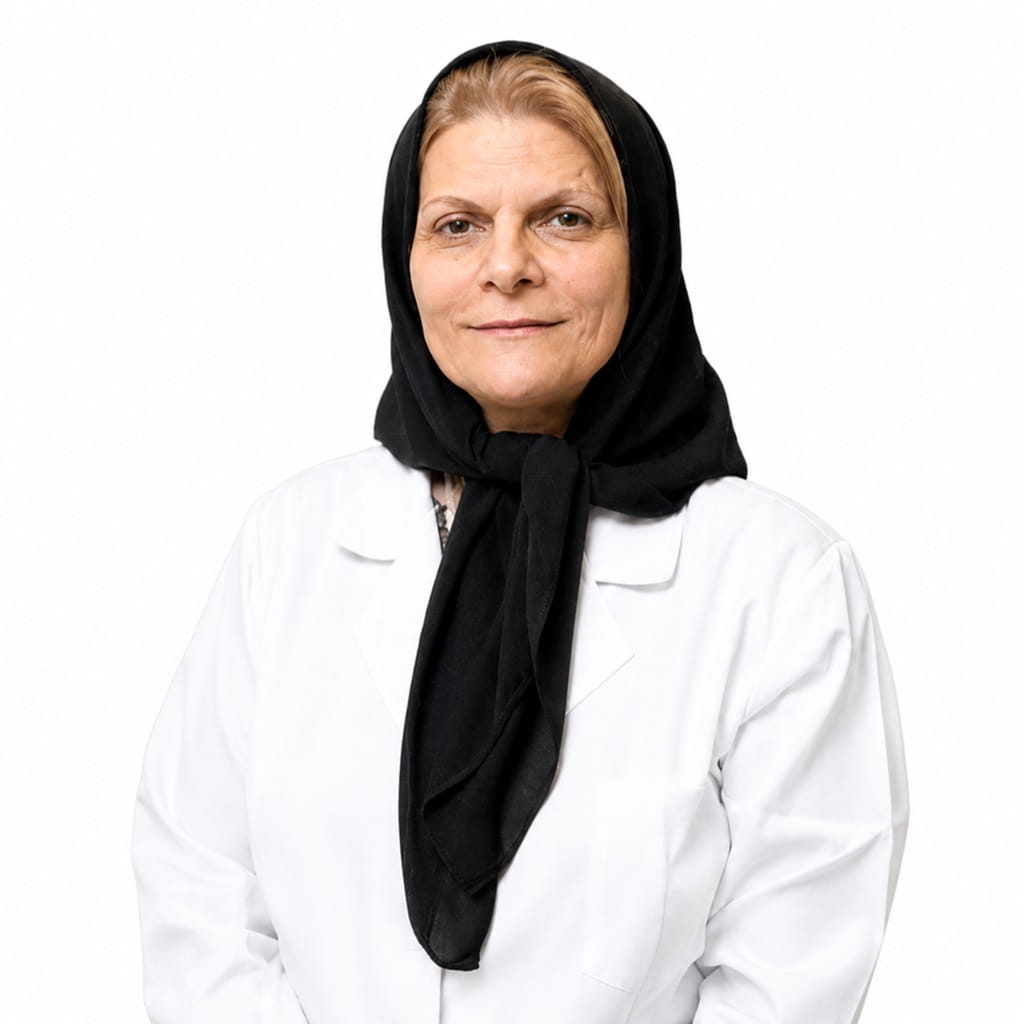
IVF & Gestational Surrogacy Specialist
Professor of Obstetrics, Gynecology & Reproductive Medicine
With more than 38 years of experience, Dr. Zahra Raoufi provides fertility evaluation and treatment planning for patients undergoing IVF and surrogacy programs through CeritaMed.
View Full ProfileThe surrogacy process in Iran involves coordinated medical, surrogate, legal, and pregnancy-care stages.
Medical and fertility history is reviewed to determine whether surrogacy is appropriate and to prepare the treatment plan.
Embryos are created through IVF using the intended parents’ or, when required, donor gametes.
A suitable surrogate is screened and matched, followed by completion of the required agreements and documentation.
The embryo is transferred to the surrogate. After pregnancy is confirmed, prenatal monitoring continues through pregnancy.
After delivery, CeritaMed assists with the required medical and administrative coordination for the intended parents and newborn.
A complete surrogacy journey commonly takes around 12–15 months, although the timeline can vary according to surrogate matching, IVF preparation, embryo availability, transfer attempts, pregnancy, and documentation procedures.
The cost of surrogacy in Iran depends on the IVF plan, surrogate services, legal and documentation requirements, accommodation, and the level of support included.
CeritaMed currently offers three programs starting from $22,000, $32,000, and $45,000.
The VIP Guarantee refers to the treatment and support coverage defined in the package agreement; it does not mean that the outcome of an individual embryo transfer or pregnancy can be medically guaranteed.
The final cost can vary according to the number of IVF attempts, use of donor eggs, genetic testing, surrogate rematching, pregnancy and delivery care, accommodation, and legal or documentation requirements.
Gestational surrogacy involves IVF, pregnancy, and delivery and therefore carries medical risks that should be reviewed before treatment.
Pregnancy-related complications can include hypertensive disorders such as pre-eclampsia, gestational diabetes, bleeding, infection, cesarean delivery, and risks related to multiple pregnancy. ART pregnancies also require appropriate obstetric monitoring.
Careful surrogate screening, embryo-transfer planning, prenatal monitoring, and informed consent are important throughout the program.
CeritaMed coordinates the medical, surrogate, legal, and logistical stages of surrogacy in Iran for international intended parents.
Support can include:
Medical decisions remain with the fertility and obstetric specialists involved in treatment.
The first step is a fertility and case review to determine whether gestational surrogacy is appropriate and which medical, surrogate, and legal pathway fits your situation.
Contact CeritaMed for medical evaluation, surrogacy package options, surrogate matching, IVF planning, legal documentation, and international patient coordination.
Contact Us on WhatsAppYes. Surrogacy is legal in Iran, but there is no single comprehensive statute governing every aspect of the process. Legal and documentation requirements should therefore be reviewed for each case, particularly for international patients.
CeritaMed surrogacy packages start from $22,000, with more comprehensive programs starting from $32,000 and $45,000.
The complete journey commonly takes around 12–15 months, although surrogate matching, IVF attempts, pregnancy, and documentation can affect the final timeline.
CeritaMed coordinates programs for international intended parents subject to medical and legal review. Parentage, nationality, passport, and post-birth requirements may vary according to citizenship and individual circumstances.
Not in gestational surrogacy. The surrogate carries an embryo created through IVF but does not provide the egg.
The guarantee applies to the treatment and support coverage defined in the program agreement. It does not mean that any individual embryo transfer, pregnancy, or medical outcome can be guaranteed.
Accredited & Certified Medical Excellence