

Varicocele Surgery in Iran
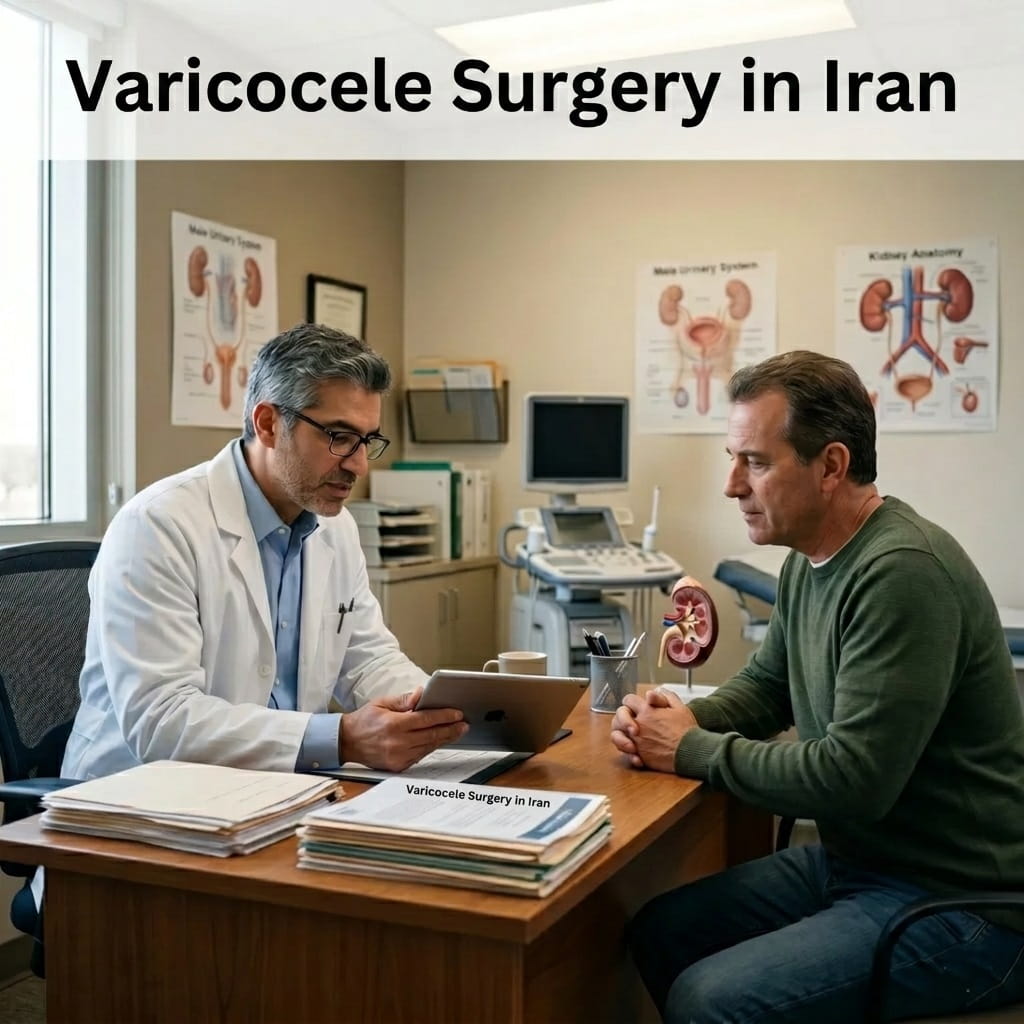
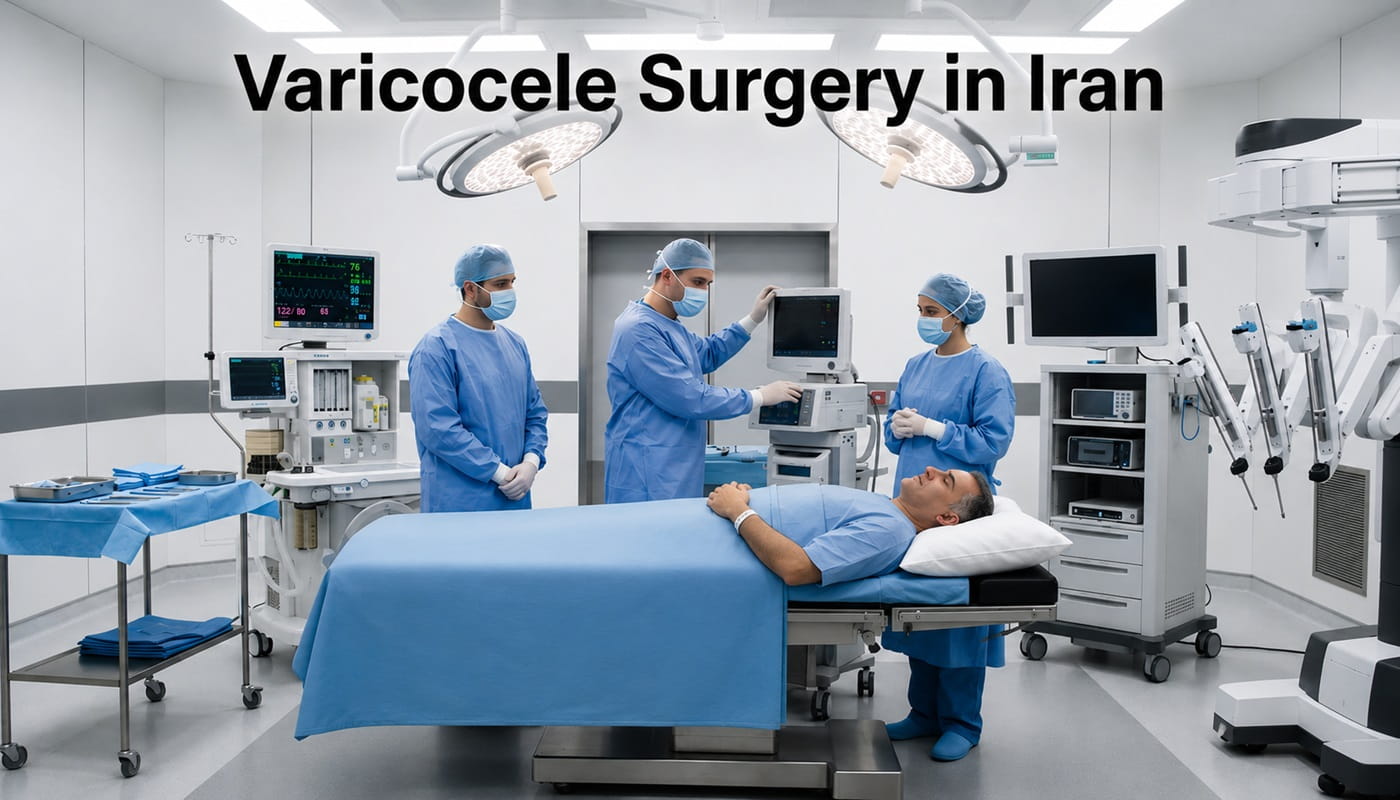
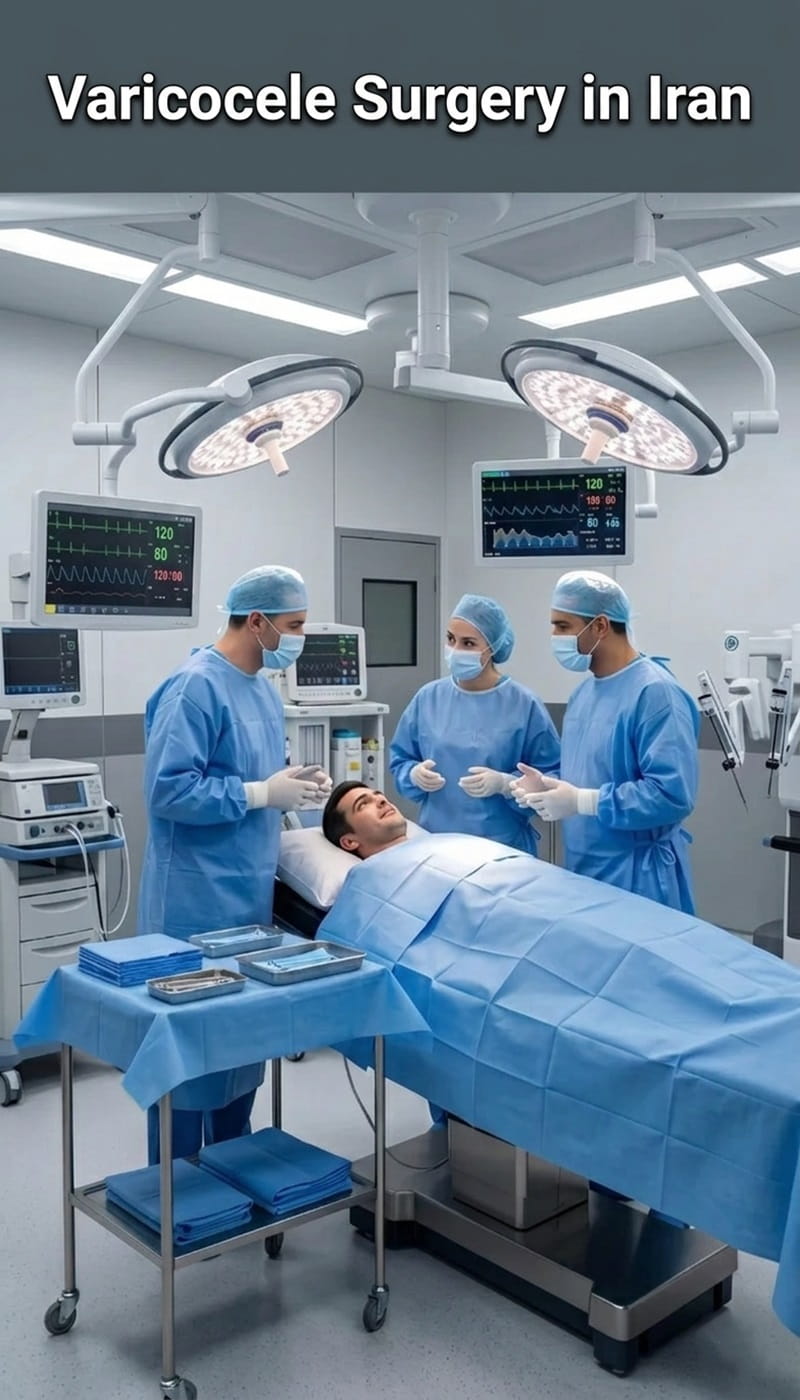
Varicocele surgery in Iran is one of the most sought-after medical procedures for men seeking definitive solutions for male infertility and chronic testicular pain. At Ceritamed, we provide world-class surgical and non-surgical treatments for varicoceles, utilizing the latest global technologies under the supervision of top-tier urologists and microsurgery specialists.
- Modern Microscopic, Laparoscopic & Embolization Varicocele Techniques
- Expert Urological Specialists for Complex Varicocelectomy
- High-Precision Vein Mapping & Fertility Outcome Management
What Is a Varicocele?
A Varicocele is an enlargement of the veins within the scrotum, known as the pampiniform plexus, caused by malfunctioning venous valves that allow blood to flow backward and accumulate around the testicle.
This increased blood pooling raises the temperature of the testicles, which may interfere with normal sperm production and testicular function. Varicoceles most commonly develop on the left side and may gradually worsen over time if left untreated.
Causes & Symptoms
Although the exact cause of a Varicocele is not always fully understood, weakened vein valves, anatomical factors, and genetic predisposition are believed to play important roles.
Common symptoms include:
Dull or aching testicular pain, especially after prolonged standing or physical activity
- A feeling of heaviness or discomfort in the scrotum
- Enlarged or twisted veins that may feel like a “bag of worms”
- Reduced fertility or abnormal semen analysis
- No noticeable symptoms, with the condition discovered during infertility evaluations or routine examinations
Some adolescents are also diagnosed with varicoceles during routine medical check-ups, allowing early monitoring before fertility problems develop.
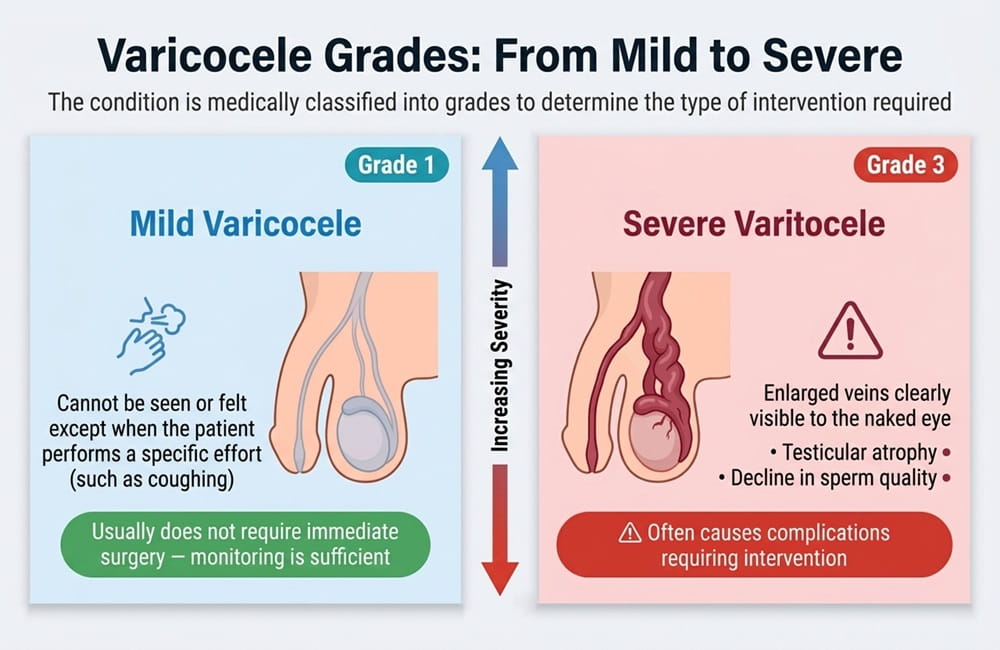
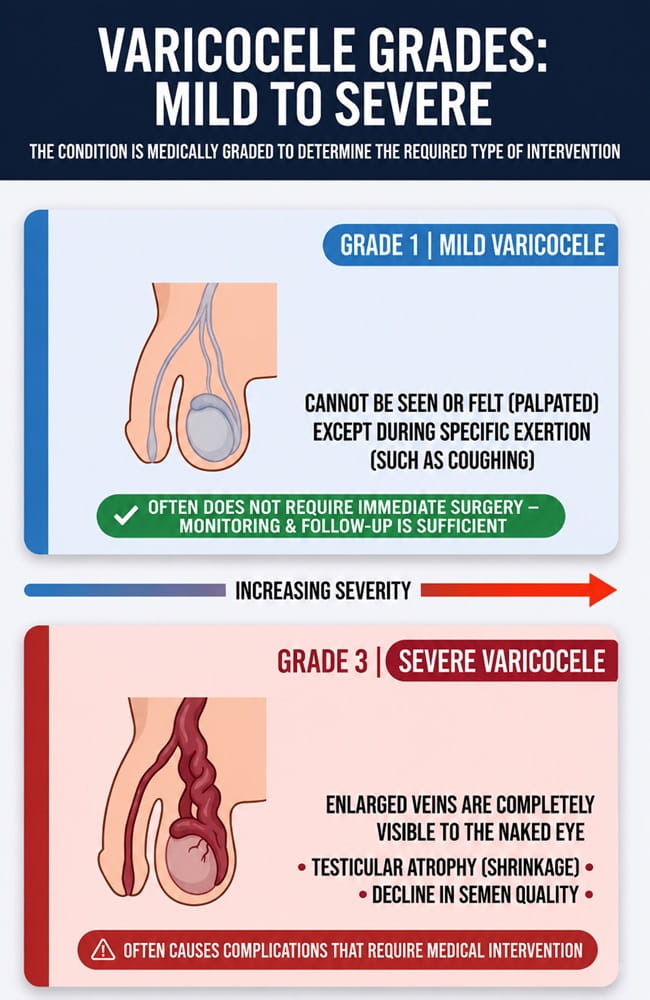
Varicocele Grades
Doctors classify Varicoceles according to their severity to determine the most appropriate treatment approach.
- Grade 1: Small varicoceles detected only during the Valsalva maneuver and often managed with observation.
- Grade 2: Enlarged veins that can be felt during physical examination but are not easily visible.
- Grade 3: Large, visible varicoceles that may be associated with chronic pain, testicular shrinkage, and impaired sperm production.
Accurate grading helps guide treatment decisions and determine whether surgery is recommended.
Does a Varicocele Cause Infertility?
One of the most common questions patients ask is whether a Varicocele can affect fertility. Research has shown a strong association between Varicocele and Male Infertility.
Elevated testicular temperature and impaired blood circulation may negatively affect sperm count, sperm motility, and sperm quality. For men experiencing infertility related to a clinically significant varicocele, surgical treatment may improve semen parameters and increase the likelihood of natural conception.
However, the decision to proceed with Varicocele Surgery should always be based on a comprehensive evaluation that includes symptoms, physical examination, imaging studies, and fertility assessment.
Diagnosis & Clinical Evaluation
Accurate diagnosis is the first step toward successful Varicocele Treatment. At Ceritamed, every patient undergoes a comprehensive evaluation to determine the severity of the condition and identify the most appropriate treatment plan.
The assessment begins with a detailed physical examination, during which the urologist evaluates the size of the enlarged veins, examines the testicles, and checks for signs of testicular atrophy or other abnormalities.
A Scrotal Doppler Ultrasound is considered the gold standard for confirming a Varicocele Diagnosis. This imaging technique measures vein diameter, detects abnormal blood flow (venous reflux), determines the grade of the varicocele, and helps exclude other conditions that may cause similar symptoms.
Varicocele Treatment Options
Treatment depends on the severity of the varicocele, symptoms, fertility goals, and the patient’s overall health.
Microscopic Varicocelectomy
Microscopic Varicocelectomy is widely regarded as the preferred surgical technique for treating clinically significant varicoceles. Using a high-powered operating microscope, the surgeon precisely identifies and ligates the affected veins while preserving the testicular artery, lymphatic vessels, and surrounding healthy structures.
This approach is associated with lower recurrence rates, fewer complications, and improved outcomes for patients experiencing infertility or chronic scrotal pain.
Laparoscopic Varicocelectomy
Laparoscopic Varicocelectomy is performed through several small abdominal incisions using a miniature camera and specialized surgical instruments. It may be recommended in selected cases, particularly for bilateral varicoceles or when minimally invasive abdominal access is appropriate.
Varicocele Embolization
Varicocele Embolization is a minimally invasive, catheter-based procedure performed by an interventional radiologist. A small catheter is inserted into a vein, and coils or embolic agents are used to block abnormal blood flow.
Although embolization can be an effective option for selected patients, Microscopic Varicocelectomy remains the most established surgical treatment because of its excellent long-term outcomes and lower recurrence rates.
Recovery After Varicocele Surgery
Most patients return home on the same day following Varicocele Surgery. Mild discomfort, swelling, or bruising around the surgical site is common during the first few days and usually responds well to prescribed pain medication.
Patients can generally return to desk work within two to three days, while strenuous exercise, heavy lifting, and intense physical activity should be avoided for approximately three to four weeks. Follow-up appointments and, when appropriate, repeat
help evaluate recovery and improvements in fertility.
Risks & Safety
Varicocele Surgery is considered a safe and highly effective procedure when performed by experienced urologists. However, as with any surgical intervention, certain risks may occur.
Potential complications include:
- Temporary swelling or bruising
- Mild postoperative discomfort
- Hydrocele (fluid accumulation around the testicle)
- Infection or bleeding
- Recurrence of the varicocele
The use of Microscopic Varicocelectomy significantly reduces the risk of complications by preserving the testicular artery and lymphatic vessels while allowing precise identification of abnormal veins.
Why Choose Ceritamed for Varicocele Surgery in Iran?
Choosing an experienced medical team is one of the most important factors in achieving successful Varicocele Surgery. At Ceritamed, international patients receive personalized treatment from experienced urologists using advanced microsurgical techniques, modern medical facilities, and internationally recognized standards of care.
Our medical network includes Dr. Ali Hajeb, a board-certified urologist and genitourinary surgeon with extensive experience in Microscopic Varicocelectomy, male infertility treatment, reconstructive urology, and kidney surgery. Every treatment plan is tailored to the patient’s symptoms, fertility goals, and overall health.
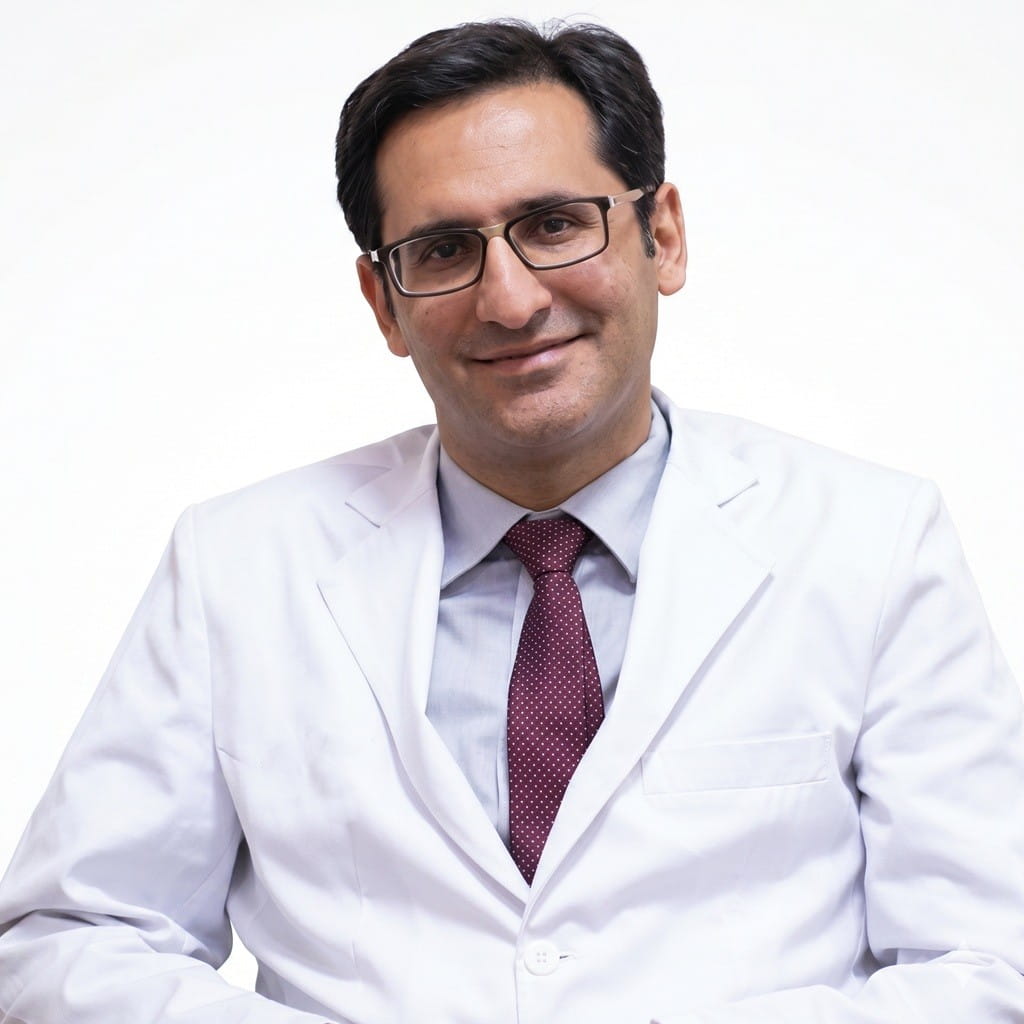
Urology Specialist and Kidney & Urinary Tract Surgeon
One of Tehran’s distinguished urologists with over 14 years of experience in advanced urological care and surgery. Dr. Ali Hajeb earned a top national board ranking and currently leads the Urology Department at Nikan Sepid Hospital. He is recognized for his expertise in kidney and urinary tract surgery, minimally invasive urologic procedures, and the management of complex urological conditions.
International patients also benefit from comprehensive support services, including:
- Personalized treatment coordination
- Dedicated medical interpreter services
- Visa and travel assistance
- Airport, hotel, and hospital transfers
- Postoperative communication and follow-up
Local SIM Card
Hotel
Visa Assistance
Medical Interpreter
Airport & City Transportation
Free Internet Access
Varicocele Surgery Success Rate
The success of Varicocele Surgery depends on several factors, including the severity of the condition, surgical technique, surgeon experience, and the patient’s overall reproductive health.
Microscopic Varicocelectomy is widely recognized as the preferred treatment for clinically significant varicoceles because it offers excellent long-term outcomes with lower recurrence and complication rates compared with many alternative techniques. Improvements in sperm count, sperm motility, and relief from chronic testicular pain are commonly observed following successful treatment, although individual outcomes vary from patient to patient.
Varicocele Surgery Cost in Iran
One of the major advantages of choosing Varicocele Surgery in Iran is receiving advanced urological care at a significantly lower cost than in many other countries.
At Ceritamed, the cost of Varicocele Surgery generally ranges from $850 to $1,500, depending on the surgical technique, hospital, and individual treatment requirements.
Compared with many international destinations, patients can access experienced urologists, modern surgical facilities, and comprehensive medical care while benefiting from highly competitive treatment costs.
Conclusion
A varicocele can affect both fertility and quality of life, but effective treatment is available. At Ceritamed, experienced urologists provide personalized care using advanced Microscopic Varicocelectomy techniques to achieve safe treatment, faster recovery, and long-term results. Contact us today to learn more about Varicocele Surgery in Iran and your treatment options.
Procedure Overview
Anesthesia: General or Spinal Anesthesia
Procedure Duration: 1 to 2 hours
Stay Duration in Iran: 5 to 7 days

Frequently Asked Questions About Varicocele Surgery in Iran
Does a varicocele always require surgery?
No. Mild varicoceles that do not cause pain, infertility, or testicular damage may only require regular monitoring. Surgery is typically recommended when symptoms, abnormal semen analysis, or fertility concerns are present.
How long does recovery take after varicocele surgery?
Most patients return to normal daily activities within a few days and resume more strenuous physical activities after approximately three to four weeks, depending on their recovery and their surgeon's recommendations.
Is microscopic varicocelectomy better than embolization?
Both treatments can be effective in selected cases. However, Microscopic Varicocelectomy is widely regarded as the preferred surgical technique because of its lower recurrence rates and excellent long-term outcomes.