


Factors Affecting Human Height and How to Increase Height Naturally
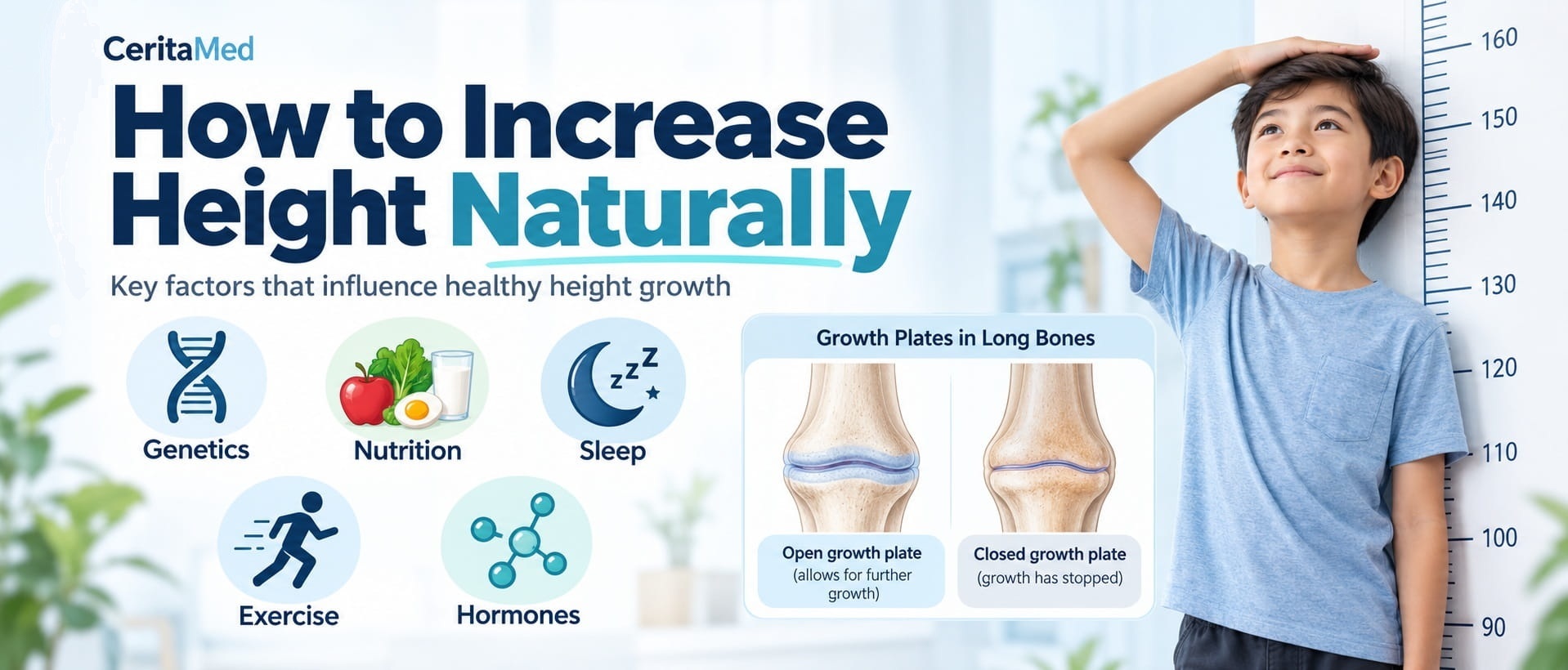
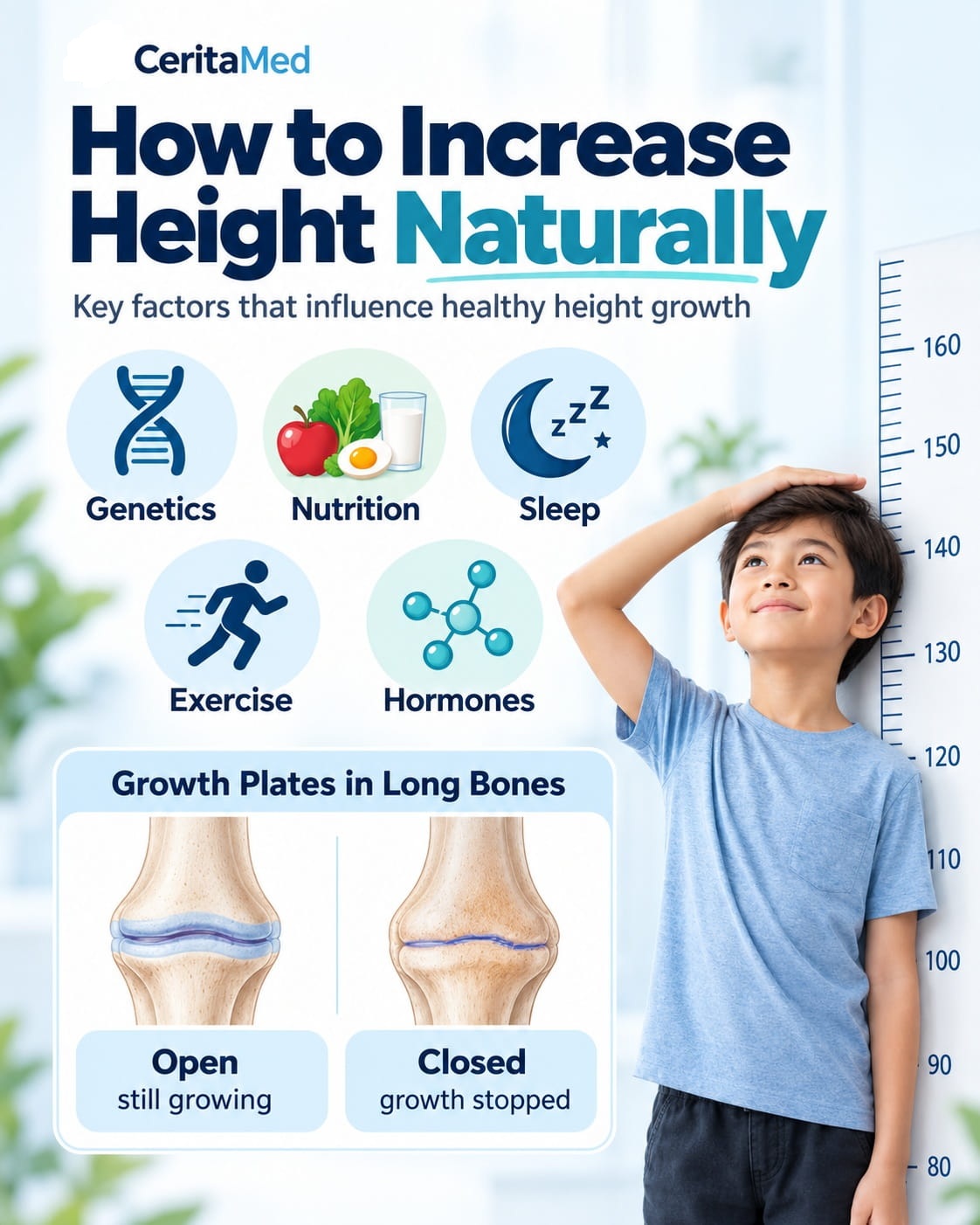
Many people search for ways to increase height naturally, especially during teenage years and early adulthood. Human height is influenced by a combination of genetics, hormones, nutrition, sleep, and physical activity. While genetics remain the primary factor affecting height, healthy lifestyle habits can help individuals reach their maximum natural growth potential.
Understanding the biological factors behind height growth can help parents, teenagers, and adults make informed decisions about growth, posture, and long-term bone health.
Genetics: The Most Important Factor Affecting Height
Genetics is the primary determinant of human height. Large genetic studies have identified thousands of genetic variants associated with height, including some involved in bone development and growth plate function.Family history, ethnic background, and inherited growth patterns strongly affect final adult height. Certain genetic disorders may also interfere with normal bone development and growth.
Although genetics cannot be changed, environmental factors still influence growth during childhood and adolescence.
Hormones and Growth Plate Development
Hormones play a critical role in human growth and height development.
The most important hormones include:
- Growth hormone (GH)
- Thyroid hormones
- Estrogen
- Testosterone
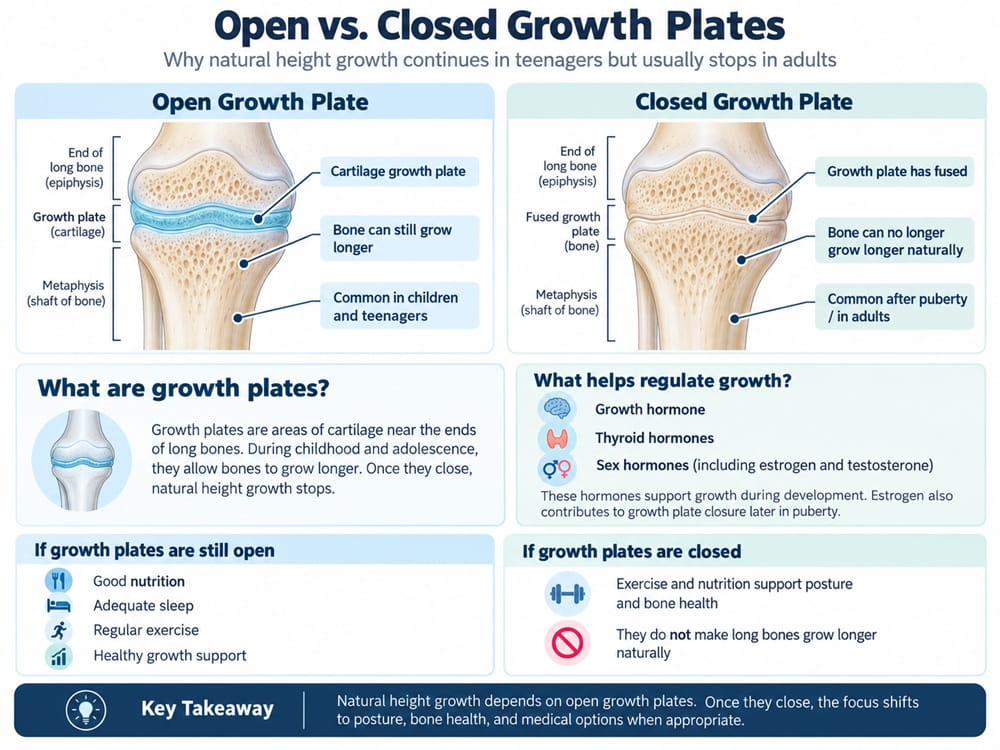
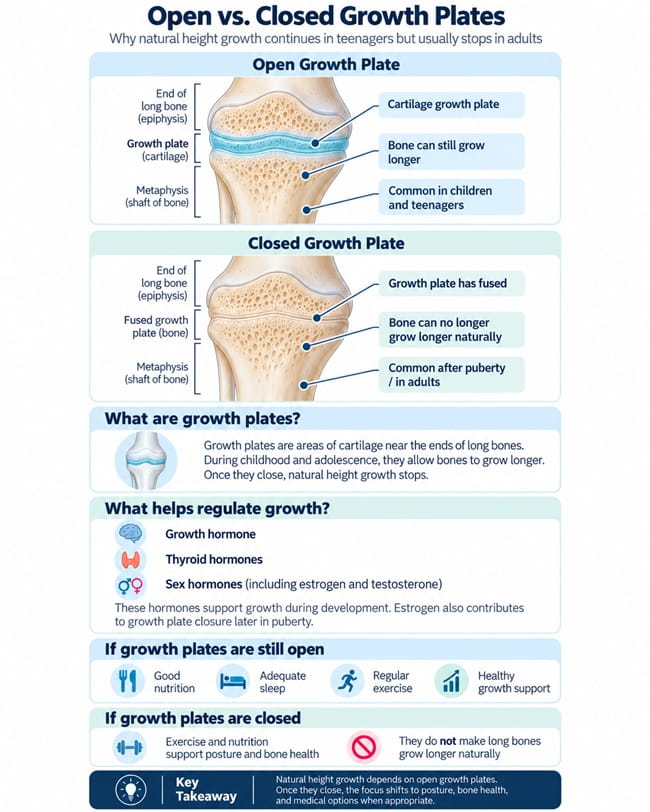
Growth hormone supports bone and tissue growth, while sex hormones contribute to the pubertal growth spurt. Estrogen plays an important role in both girls and boys, helping stimulate growth during puberty and eventually contributing to growth plate closure.
Once growth plates close, bones can no longer grow longer naturally.
Nutrition and Height Growth
Nutrition is one of the most important environmental factors affecting height during childhood and teenage years.
A balanced diet rich in essential nutrients supports healthy bone formation and skeletal development.
Important nutrients for height growth include:
- Protein for muscle and tissue growth
- Calcium for strong bones
- Vitamin D for bone mineralization
- Zinc and magnesium for healthy development
Chronic malnutrition, illness, or poor dietary habits may negatively affect growth and final adult height.
How to Increase Height Naturally During Growth Years
Although no exercise or supplement can override genetics, healthy daily habits may help children and teenagers maximize their natural height potential.
Balanced Nutrition
Eating nutrient-dense foods such as lean protein, dairy products, vegetables, fruits, and whole grains supports healthy growth and bone development.
Proper Sleep
Growth hormone is released in pulses, with a significant release occurring during deep sleep. Consistent, adequate sleep helps support healthy growth and development in children and teenagers.
The Role of Exercise in Height Development
Exercise is important for healthy skeletal growth, posture, and muscle balance.
Regular physical activity may help improve:
- Bone density
- Flexibility
- Posture
- Muscle strength
- Hormonal regulation
Recommended activities include:
- Swimming
- Basketball
- Volleyball
- Running
- Gymnastics
- Outdoor physical activities
Although exercise does not directly make bones longer after puberty, it helps support healthy development during growth years.
Can Adults Increase Height Naturally?
For most people, natural height growth ends when the growth plates in their bones close, usually near the end of puberty. However, the exact timing varies from person to person.
Once growth plates have closed, exercises, stretching, and supplements cannot make bones longer. Adults can still improve their posture, spinal alignment, and muscle strength, helping them stand taller and maintain a healthier appearance.
How Adults Can Maintain Height and Improve Posture
Improve Spinal Alignment
Poor posture can make a person appear shorter than they actually are. Correct posture improves spinal positioning and overall body alignment.
Strengthen Core Muscles
Strong abdominal and back muscles help support the spine and maintain upright posture.
Maintain Bone Health
Gradual height loss may begin around age 30 and become more noticeable later in life due to changes in spinal discs, posture, and bone health.
To support long-term bone health:
- Consume enough calcium and vitamin D
- Perform regular weight-bearing exercise
- Avoid smoking
- Maintain an active lifestyle
Limb Lengthening Surgery
For adults whose growth plates have closed, limb lengthening surgery offers a medically established option for achieving an actual increase in height.
This orthopedic procedure gradually lengthens the leg bones, allowing new bone to form during the process. Once healing is complete, the increased bone length is maintained.
The treatment involves careful medical evaluation, a gradual recovery supported by physiotherapy, and clear guidance on costs and potential risks.
If you’re considering this option, explore our limb lengthening surgery in Iran page to learn more about available techniques, real patient results, and personalized treatment planning.
Final Thoughts
Human height is influenced by genetics, hormones, nutrition, sleep, and physical activity. While genetics remain the strongest factor affecting height, healthy habits during childhood and adolescence can help individuals maximize their natural growth potential.
Natural height increase after puberty is not biologically possible without surgical intervention. However, maintaining good posture, strong muscles, and healthy bones can help adults preserve height and improve overall physical appearance.
Scientific References
1. Yengo L, et al. A Saturated Map of Common Genetic Variants Associated with Human Height. *Nature*. 2022;610:704–712.
2. Jee YH, Baron J. The Biology of Stature. *The Journal of Pediatrics*. 2016;173:32–38.
3. Giorgino R, et al. Aesthetic Lower Limb Lengthening Techniques: A Systematic Review of Efficacy, Complications, and Patient Satisfaction. *Journal of Orthopaedic Surgery and Research*. 2025;20:415.